Immigration Raid in Chicago: New Arrest Records Reveal Surprising Targets
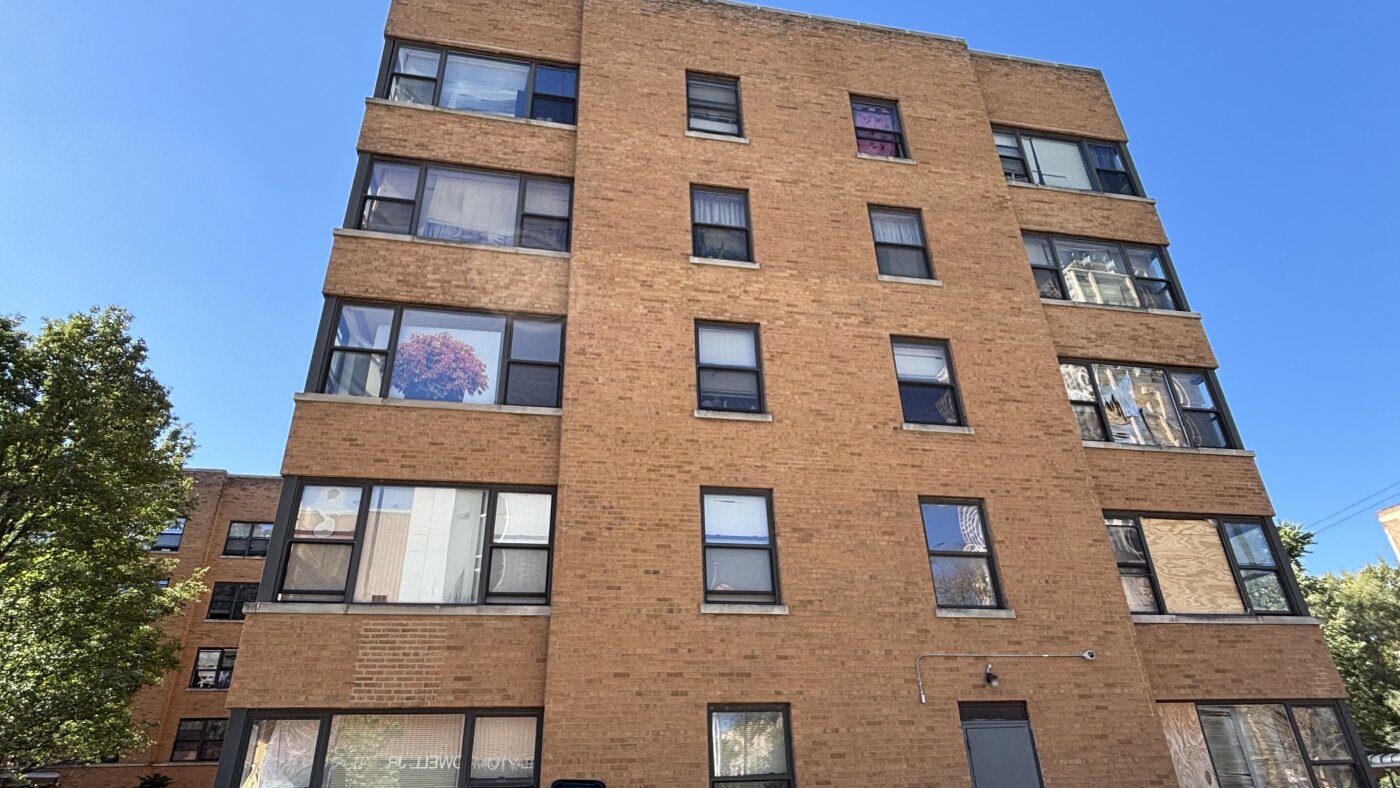
A recent examination of arrest records has unveiled that the well-publicized immigration raid on a South Shore Chicago apartment last September initially aimed at squatters rather than the purported Venezuelan gang members. The operation, which quickly became a symbol of President Trump’s stringent immigration policies, was not as initially portrayed by federal authorities.
The details of the raid were first brought to light by ProPublica, shedding new insights into what transpired on September 30, 2025. A dramatic video released by the Department of Homeland Security showcased agents descending from a Black Hawk helicopter and leading individuals away in restraints. The Trump Administration had claimed that the building was a known hub for Tren de Aragua, a Venezuelan gang.
However, the arrest records tell a different story. They indicate that the raid’s focus was on removing squatters from the premises, not gang members. These documents surfaced in a motion related to an ongoing legal challenge against warrantless arrests in Chicago. The Department of Homeland Security described the operation as targeting “illegal aliens unlawfully occupying apartments,” with no mention of criminal gangs.
Mark Fleming, the associate director of federal litigation at the National Immigrant Justice Center, expressed significant concerns over the operation. He remarked, “This is the most brazen unconstitutional use of force in an operation that I’ve seen in my entire career.” Fleming, representing two individuals involved in the litigation, emphasized that the federal government overstepped its authority.
Despite inquiries, DHS spokesperson Tricia McLaughlin did not comment on the court documents indicating the focus on squatters. Instead, she stated that two individuals linked to a foreign terrorist organization were apprehended during the raid at a location they supposedly frequented. The specifics of any limitations she referred to remain unclear.
In her previous statements, McLaughlin maintained that two of those arrested were verified “terrorists and members of Tren de Aragua.” Thirty-five other undocumented immigrants were detained, some with criminal backgrounds but no connections to the gang.
The records further reveal that the building’s owner provided both verbal and written consent for the search, which targeted apartments that were not legally occupied. Upon visiting the building, NPR found it in poor condition, with complaints of constant maintenance issues from residents who nevertheless felt a sense of safety in the neighborhood.
Two U.S. citizen residents, detained briefly during the operation, recounted their experiences to NPR, describing a chaotic scene before they were released and allowed to return home.
Fleming criticized the government’s transparency in these operations, urging the public to scrutinize official statements skeptically. He highlighted past incidents, including fatal shootings by immigration agents, as examples where official narratives have later been questioned.
For more details on the operation and its implications, read the full report by NPR’s detailed coverage.
This article was originally written by www.npr.org