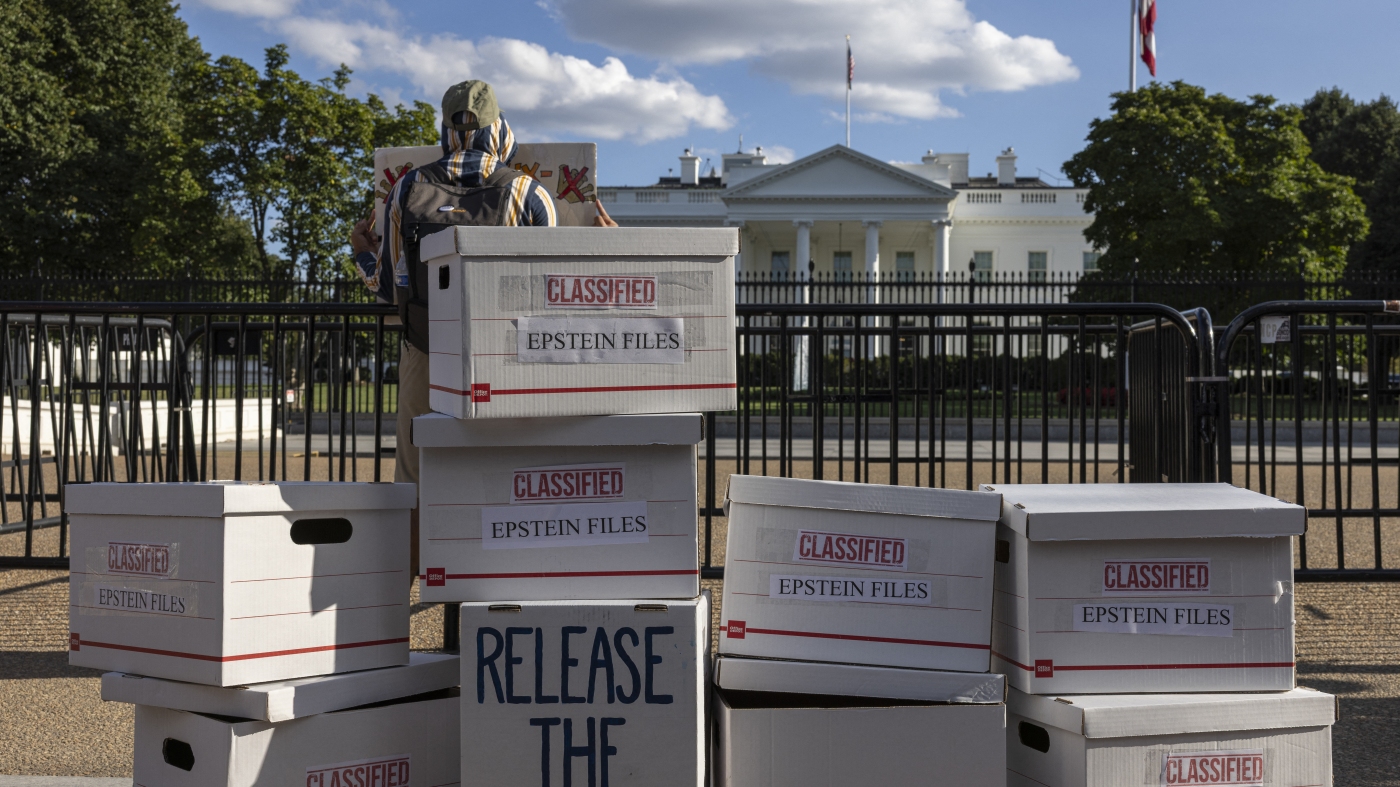
Unveiling the Epstein Files: New Insights into Powerful Connections
Recent revelations from the estate of Jeffrey Epstein have sparked renewed interest in the influential individuals who maintained relationships with the disgraced financier, even after his criminal activities became public knowledge. The release of approximately 23,000 documents by the House Oversight Committee has shed light on Epstein’s extensive network, which included politicians, academics, and other high-profile figures.
Among the documents are emails and text messages that reveal Epstein’s attempts to cultivate relationships with prominent political figures from both major parties, as well as influential academics. Despite pleading guilty to charges of solicitation of prostitution and involving a minor in 2008, Epstein’s social and professional circles remained largely intact.
Key figures like Noam Chomsky, who referred to Epstein as a “highly valued friend” in a letter of recommendation, and Steve Bannon, who received strategic advice from Epstein, appear in the documents. Additionally, former Harvard University president Larry Summers engaged in personal conversations with Epstein, seeking advice and discussing various topics.
Trump’s Role and Legislative Actions
During his campaign, President Trump had pledged to release Epstein’s files, but after returning to office, he labeled the push for transparency as a “hoax” by Democrats. However, in a change of stance, Trump recently signed the Epstein Files Transparency Act, directing the Department of Justice to disclose the documents.
Trump’s Truth Social post announcing the signing suggested that the documents might reveal associations between Epstein and certain Democrats, stating, “Perhaps the truth about these Democrats, and their associations with Jeffrey Epstein, will soon be revealed, because I HAVE JUST SIGNED THE BILL TO RELEASE THE EPSTEIN FILES!”
The president also called for an investigation into the connections between Epstein and notable Democrats and financial entities, including Bill Clinton, Larry Summers, and J.P. Morgan.
The Impact on High-Profile Individuals
The release has already led to significant consequences for some individuals. Larry Summers resigned from the board of OpenAI and left his teaching position at Harvard, as the university launched an inquiry into connections revealed in the documents.
Kathryn Ruemmler, a former White House counsel in the Obama administration, was also mentioned in the communications. She expressed regret over her association with Epstein, telling The Wall Street Journal, “I regret ever knowing Jeffrey Epstein.”
Upcoming Steps for Document Release
Following the signing of the Epstein Files Transparency Act, the Justice Department has 30 days to release all unclassified records, including those related to Epstein, his accomplice Ghislaine Maxwell, and others associated with his criminal activities. The release will include documents on plea deals and decisions not to prosecute Epstein for other alleged offenses.
While some files, especially those involving minors or ongoing investigations, will remain confidential, the public disclosure aims to provide greater transparency surrounding Epstein’s activities and connections.
The FBI has acknowledged that its files contain a substantial amount of data, including over 300 gigabytes of digital and physical evidence. As the Justice Department prepares to release these files, questions remain about the scope of the information that will be made available to the public.
This article was originally written by www.npr.org