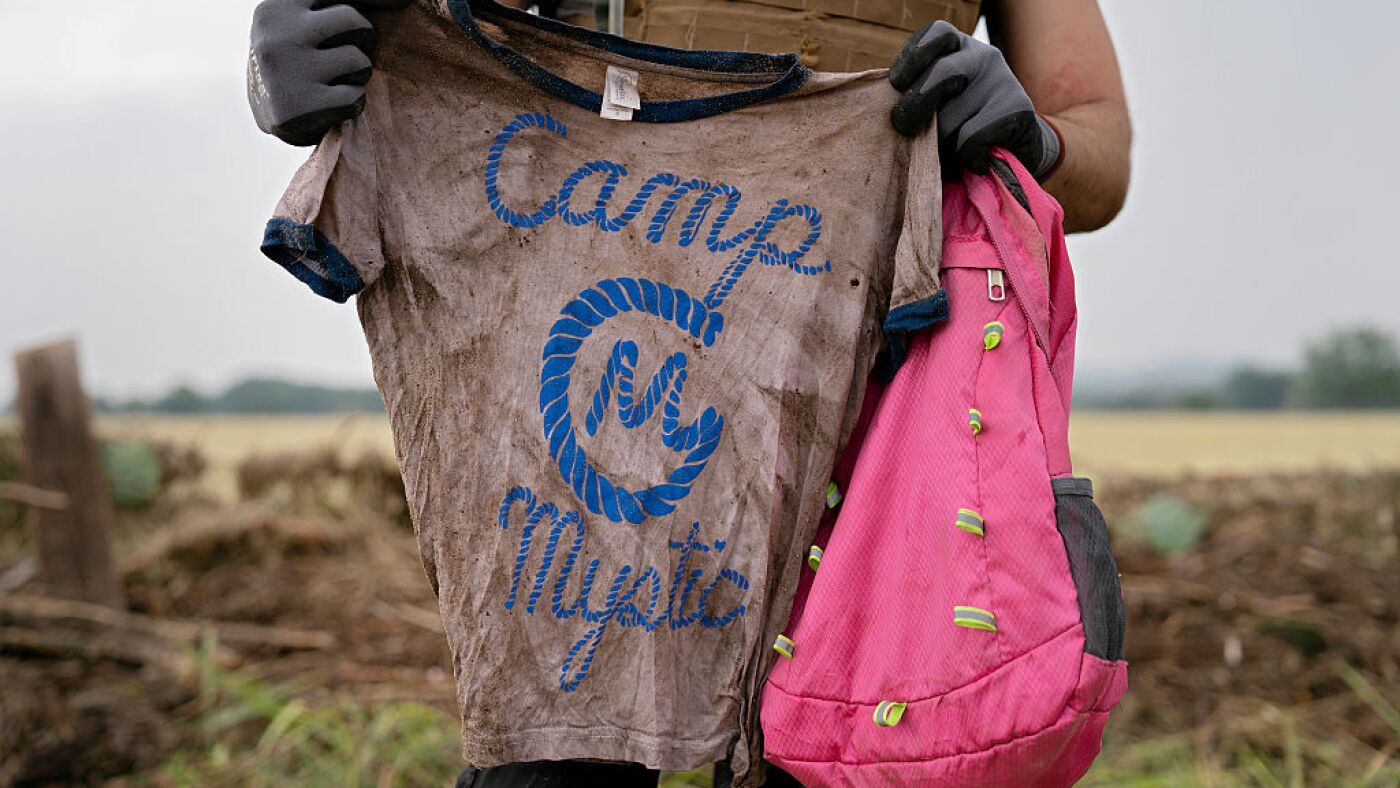
Amidst increasing concerns about climate change and extreme weather, the tragic loss of 27 lives at Camp Mystic in Kerr County, Texas, has heightened the scrutiny of summer camp safety. As outdoor activities inherently expose children to nature, they also bring them closer to potential heat-related illnesses and threats from nearby wildfires or floods.
Tracey Gaslin, the chief executive of the nonprofit Alliance for Camp Health, points out that while exposure to nature is a huge allure of camps, it can also pose significant risks. The lack of federal regulations specific to camps further complicates matters. According to Henry DeHart, interim chief executive of the American Camp Association (ACA), there are no mandatory national standards for camps, though the ACA offers a voluntary accreditation program.
On the state level, regulation varies significantly. Some states have robust oversight while others have minimal or no regulations in place. DeHart explains, “There are a lot of states that have very little or no regulation related to camp… in some places, it’s not very robust.”
Given these regulatory gaps, experts emphasize that parents should ask detailed questions about camp safety measures. Chad Berginnis, executive director of the Association of State Floodplain Managers, advises parents to be proactive in understanding the risks associated with camps, especially those related to flooding.
What is the camp doing to reduce risk of heat-related illness and death?
With heat-related risks growing in the U.S., Rupa Basu from the University of California, San Francisco’s Center for Climate Health and Equity highlights the vulnerability of children and teenagers to heat, as their bodies do not regulate temperature as effectively as adults. Gaslin suggests parents inquire about the camp’s infrastructure, such as shade structures and misting systems, as well as how activities are scheduled to minimize heat exposure.
What is the camp doing to reduce risks from flooding?
Many camps are situated in flood-prone areas due to their educational value, Berginnis notes. He stresses the importance of knowing whether a camp is in a floodplain and understanding their emergency preparedness, including evacuation plans and flood monitoring systems. Parents can utilize resources like the FEMA website and the First Street database to assess flood risks.
What is the camp doing to reduce risks of wildfires and wildfire smoke?
Preparedness for wildfires and smoke is crucial, Gaslin advises. Parents should ask about air quality monitoring, evacuation plans, and communication strategies during emergencies. Ensuring that camps have updated emergency plans reviewed by local authorities and that staff are always equipped to monitor environmental conditions, especially at night, is essential for safety.
This article was originally written by www.npr.org