As Midterms Approach, Key States Reveal Voter Concerns and Political Dynamics
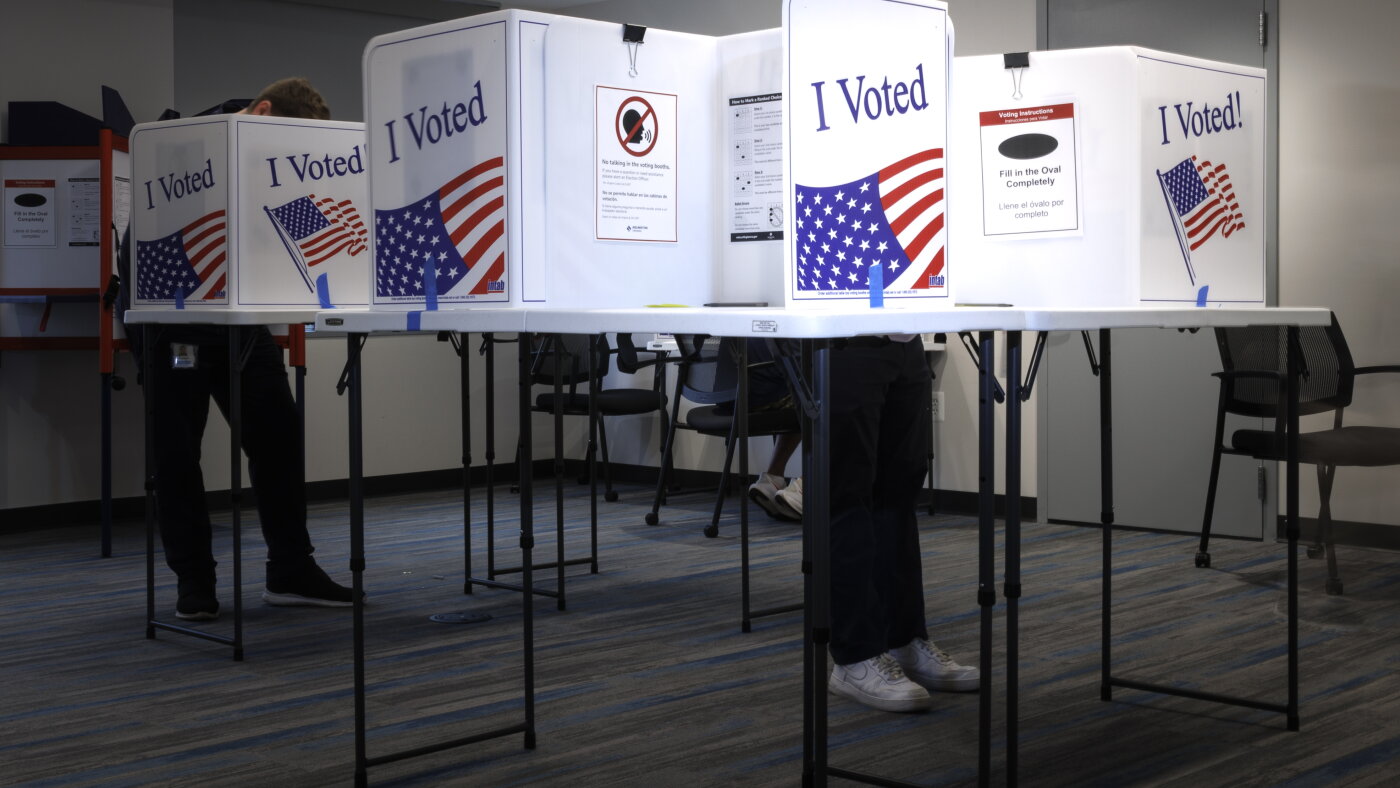
With just four weeks left before the midterm elections, the political landscape in the United States is heating up. As voters prepare to head to the polls, key issues such as the economy, immigration, and party loyalty are shaping the electoral narrative.
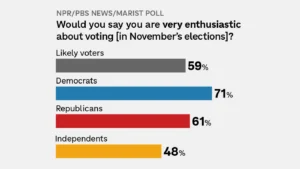
According to a recent NPR/PBS News/Marist poll, Democrats hold a 12-point lead over Republicans among registered voters. Meanwhile, President Trump remains a significant factor, with 45% of voters indicating their congressional vote is a stance against him, compared to a quarter who are voting in his favor.
Economic concerns continue to be a dominant theme. The cost of living is a pressing issue, exacerbated by global factors such as the war with Iran affecting gas prices and tariffs impacting everyday expenses. These intertwining economic and foreign policies are reshaping voter priorities.
Both political parties are pledging to ease financial burdens, but voters have broader considerations. Immigration, the growth of data centers, and voting process integrity, with new restrictions raising questions about ballot security, are also important topics of discussion.
In this evolving political climate, Morning Edition is visiting six pivotal states to capture diverse voter perspectives. Steve Inskeep is in North Carolina and Georgia, both with competitive races. North Carolina’s open Senate seat and Georgia’s gubernatorial and Senate contests provide insights into shifting voter allegiances.
Inskeep states, “I am watching and listening for people who feel this election is personal,” seeking opinions on how Trump’s administration has impacted various sectors like immigration and the economy.
Michel Martin’s focus is on Ohio and Michigan. Ohio’s gubernatorial and Senate races reflect regional economic concerns. In Springfield, the end of temporary protected status for Haitians is scrutinized for its community impact. Michigan, with its past electoral shifts and ongoing political transformation, offers a lens into the future of Democratic coalitions.
Martin remarks, “Are they mad? Sad? Or just exhausted? We hope to find out,” as she explores voter motives in these influential states.
Leila Fadel reports from Maine, where the Senate race is critical. Republican Sen. Susan Collins faces Democrat Troy Jackson, with trade and immigration as pivotal issues. Fadel is eager to understand voter motivations and the significance of party loyalty.
In Texas, A Martínez examines the Republican strategy with Latino voters amid redistricting efforts. The state’s Senate race is pivotal in the broader battle for Senate control.
Martínez questions, “What’s behind the Texas GOP’s big bet on Latino voters, and will it help Republicans keep control of the U.S. Senate?”
As Morning Edition continues its coverage, these states offer insights into national trends: voter priorities, political shifts, and the future direction of the country.
Follow the reporting: Maine coverage airs today, Oct. 6. Texas follows on Oct. 13, with North Carolina, Georgia, Ohio, and Michigan reports thereafter. Stay updated with Morning Edition on NPR.org, the NPR app, and the Up First newsletter.
This piece was edited by Treye Green.
This article was originally written by www.npr.org