Offshore Wind Projects Face Legal Battles Amid National Security Concerns
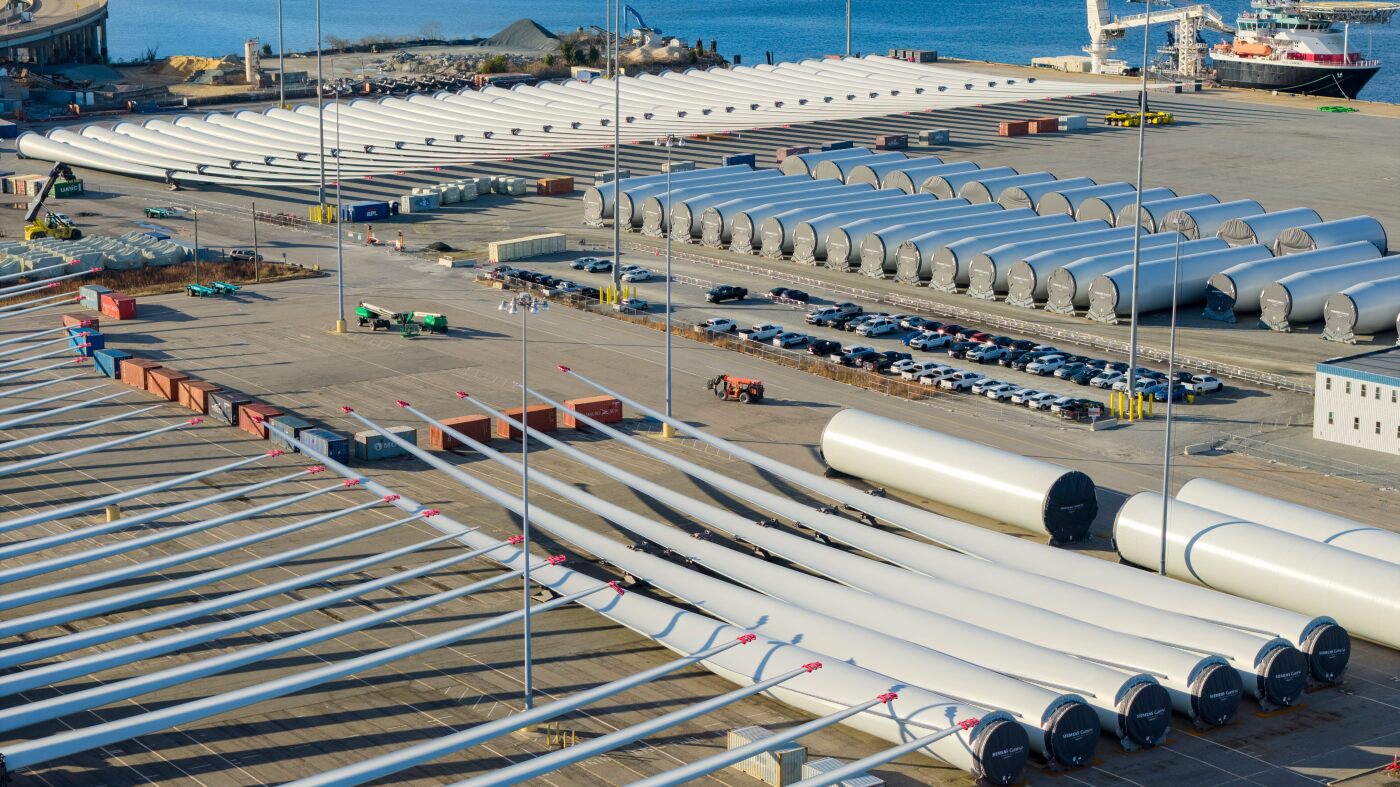
In a significant development for the renewable energy sector, a federal judge has allowed the continuation of construction on a substantial offshore wind farm, Revolution Wind, which will serve Rhode Island and Connecticut. This decision comes as the Trump administration attempts to halt such projects, citing national security reasons.
Senior Judge Royce Lamberth of the U.S. District Court for the District of Columbia raised concerns over the lack of explanations provided by the government for the complete halt on Revolution Wind’s construction. The judge noted the absence of adequate reasoning for changing its stance on the project.
Revolution Wind, nearly 90% finished, was poised to supply power to Rhode Island and Connecticut. The project had secured all necessary federal permits before the recent legal challenges.
President Trump, expressing his opposition to wind energy projects, stated, “I’ve told my people we will not approve windmills,” indicating his administration’s stance against these renewable energy sources. However, three major energy companies are challenging the administration’s freeze on their projects. Danish company Orsted, Norwegian company Equinor, and Dominion Energy Virginia have filed suits in federal courts to overturn the administration’s decision.
Orsted’s Revolution Wind was the first to face a hearing, with plans to resume construction to provide affordable energy to the Northeast. The government, however, has not detailed its national security concerns but has voiced opinions against wind farms, labeling them economically unviable and environmentally damaging.
Despite the administration’s freeze, some states are resisting the halt. New York’s attorney general has taken legal action against the federal government over the stoppage of Empire Wind and Sunrise Wind projects, while Rhode Island and Connecticut have filed motions to protect Revolution Wind.
Attorney Janice Schneider, representing Revolution Wind, noted the project’s critical stage and the financial impact of over $1.4 million per day due to the pause. With only weeks left to connect to the grid, the project faces significant delays if the freeze continues.
Meanwhile, the Trump administration’s broader energy policy shift began on day one, reversing Biden-era initiatives to increase offshore wind as a climate solution. The administration recently paused leases for several key projects, including Vineyard Wind in Massachusetts, which has prompted further legal challenges.
Hillary Bright, executive director of Turn Forward, an offshore wind advocacy group, remains optimistic about the court’s rulings and the potential benefits of these projects to national energy security.
With hearings scheduled this week for the affected projects, the legal outcomes could have far-reaching implications for the U.S. energy landscape. Equinor’s Empire Wind project faces potential termination if construction does not resume promptly, emphasizing the urgency of these legal proceedings.
The ongoing disputes highlight the clash between the administration’s energy policies and the growing demand for renewable energy solutions in addressing climate change and energy independence.
This article was originally written by www.npr.org