Flash Flood Devastates Texas Camp, Sparking Concerns Over FEMA Flood Map Regulations
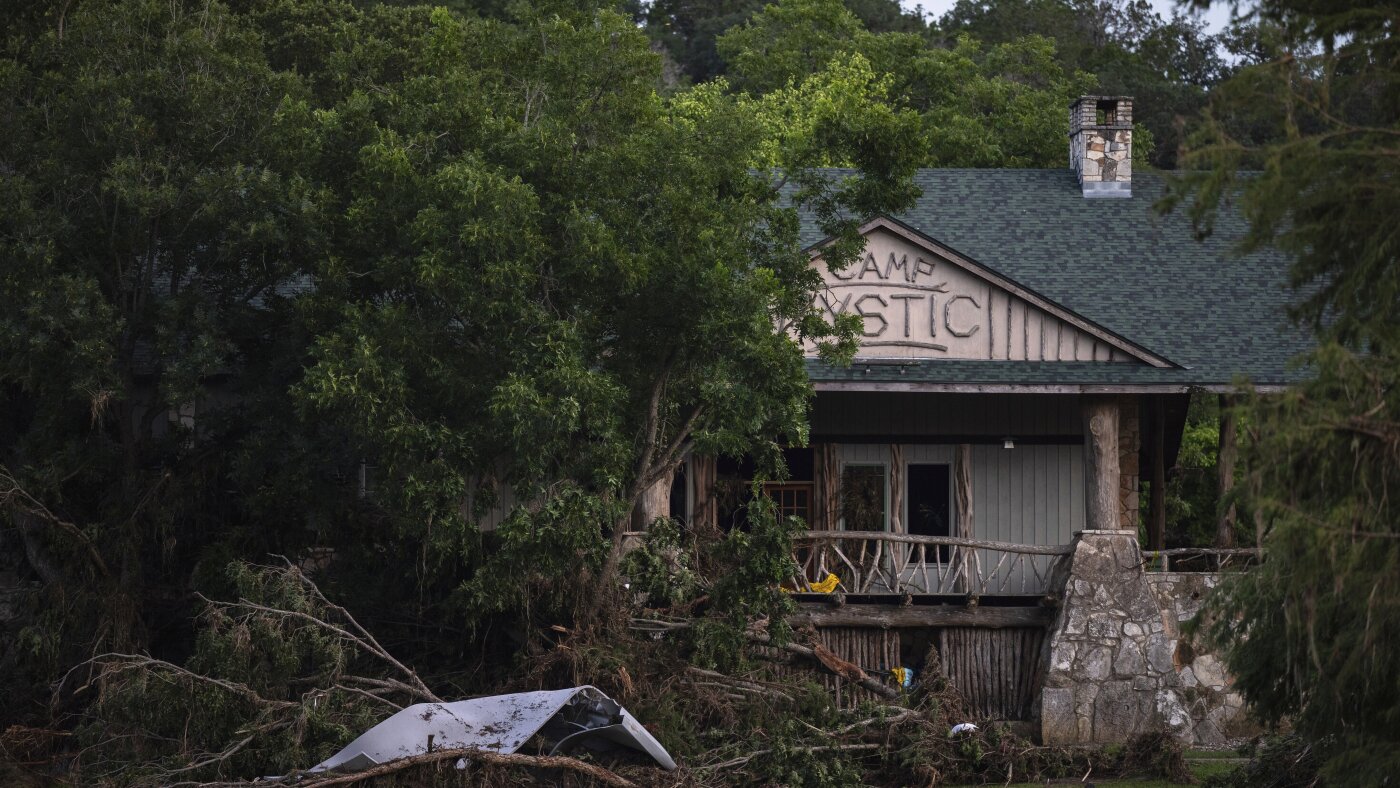
In the wake of a catastrophic flood in Hunt, Texas, questions are being raised about the Federal Emergency Management Agency’s (FEMA) handling of flood map regulations. The flood tragically claimed the lives of over 27 campers and counselors at Camp Mystic, a historic camp located along the Guadalupe River.
FEMA’s flood maps had initially placed Camp Mystic within a “Special Flood Hazard Area,” requiring the camp to maintain flood insurance and adhere to strict regulations on new construction. However, through a series of appeals, Camp Mystic’s buildings were removed from this designation, potentially contributing to the camp’s vulnerability during the flood.
Sarah Pralle, an associate professor at Syracuse University, expressed concern over the exemptions granted to the camp, emphasizing the responsibility of safeguarding numerous young people. “It’s a mystery to me why they weren’t taking proactive steps to move structures away from the risk,” Pralle remarked.
FEMA’s Flood Map Amendments Under Scrutiny
FEMA’s adjustments to the flood map in 2013 and subsequent years allowed 30 buildings across two sites of Camp Mystic to be removed from the designated flood hazard zone. These exemptions could have been aimed at reducing flood insurance costs or easing future construction regulations.
According to First Street, a data science company specializing in climate risk, the flood map underestimates hazards, especially for smaller waterways. Their model suggests nearly all of Camp Mystic Guadalupe lies within a high-risk flood area.
Local Officials and Camp Expansion
The camp’s expansion, including a new site known as Camp Mystic Cypress Lake, continued despite FEMA’s warnings about flood risks. The expansion featured new cabins, dining facilities, and activity areas, serving a growing number of campers and staff.
Chris Steubing, executive director of the Texas Floodplain Management Association, noted that the intensity of the flood exceeded historical records, challenging local floodplain management practices. Local officials likely believed they were compliant with regulations until the unprecedented flood occurred.
Concerns Over Equity in FEMA’s Amendment Process
A study conducted by Pralle and researcher Devin Lea indicated that FEMA’s flood map amendments often occur in areas with higher property values and predominantly white populations. This raises concerns about the equity and accessibility of the amendment process.
As the community grapples with the aftermath of the flood, scrutiny over FEMA’s flood map regulations and their implications for safety and insurance policies continues to grow.
This article was originally written by www.npr.org