
The Growing Challenges to Homeownership in Today’s Economy
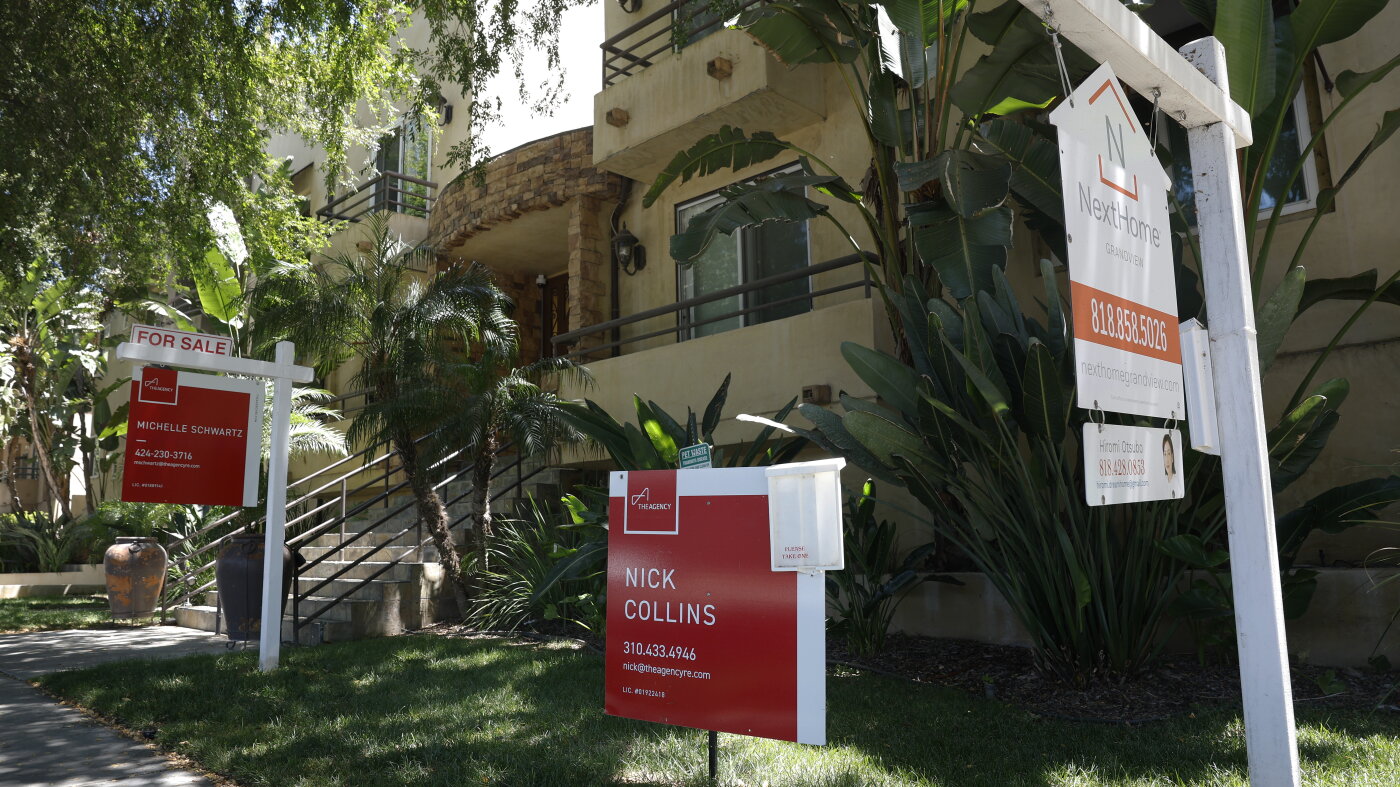
Homeownership is increasingly out of reach for many, with mortgage rates exceeding 7% and home prices soaring. A recent analysis from the Center for Responsible Lending highlights another significant hurdle: the rising costs associated with closing a home loan. The average renter household now faces an extended timeline of 16 years to save for a down payment and closing costs.
Mike Calhoun, president of the Center for Responsible Lending, stated, “Over the last seven years, the time to save up that down payment and closing costs has doubled.” This finding emerges from a report released by the center’s Julian Bond Institute, which underscores the financial strain on potential homeowners.
Since 2019, various economic factors have compounded these challenges. Home prices have surged, inflation remains high, and costs for essentials like food and healthcare have increased. Rising homeowners insurance has also contributed to higher closing costs, exacerbating the situation for first-time buyers.
Coupled with these rising costs, renters’ incomes have stagnated, and personal savings rates have dwindled. For a median-income renter household, saving for a starter home now takes a daunting 16 years, a period that extends to 21 years for median-income Black renter households.
The analysis further reveals that middle-income households, earning between $50,000 and $120,000, require 12 years to save. Front-line workers, including police officers and nurses, face a similar increase in time needed to save, ranging from 10 to 13 years.
Interestingly, the report suggests these figures might be conservative. The calculations are based on a 3.5% down payment, in line with Federal Housing Administration requirements for first-time buyers. However, the median first-time buyer typically puts down closer to 10%. Many families struggle to save even this amount, often dipping into savings or accruing debt.
The Impact of Economic Discrepancies
The Center for Responsible Lending’s report sheds light on a widening gap in the housing economy. The COVID-19 pandemic has exacerbated this divide, with inflation and mortgage rates pushing home prices higher. Homeowners who bought earlier have seen substantial gains in equity, while potential buyers face mounting financial barriers.
Despite a recent easing in rental markets, many renters remain financially burdened. According to a report by the Harvard Joint Center for Housing Studies, “From 2001 to 2024, renter incomes rose by 9 percent in real terms while rents rose by 30 percent,” leaving a quarter of renters spending more than half their income on housing.
The analysis indicates that saving for a starter home, priced at $335,574, varies by location. In Houston, it takes 11 years, while in Los Angeles, the period extends to 24 years. In rural areas, the affordability crisis is even more pronounced due to limited housing construction.
The Role of Family Assistance and Potential Solutions
With the housing wealth gap widening, family assistance has become crucial for many buyers. “Cash purchases are way up,” according to Calhoun, with younger buyers often relying on the “bank of mom and dad.” Meanwhile, down payment assistance programs remain underutilized due to funding limitations.
The Center for Responsible Lending advocates for zoning reforms to increase the supply of affordable starter homes, a measure supported by recent congressional legislation. However, the responsibility lies with local governments to implement these changes effectively.
Despite these challenges, millennials and Gen Zers maintain their aspirations for homeownership, reflecting the enduring appeal of the American dream. As report co-author David Silberman notes, “I think the case for homeownership remains really strong, despite all the trends we’re pointing to in the challenges of getting there.”
This article was originally written by www.npr.org


Comments are closed.