A New Battlefront in the Housing Market: Institutional Investors
Amidst the ever-evolving landscape of the U.S. housing market, a new challenge has emerged for aspiring homeowners: the rise of institutional investors. As families across the nation navigate this complex environment, policymakers are grappling with potential solutions to balance the scales.
Ashley Maxwell and her husband faced an uphill battle in 2020 while searching for their first home near Indianapolis. “We looked at over 80 homes in probably a span of two months,” she recounted. With three children and a landlord selling their rental, the pressure was palpable.
At every turn, they encountered fierce competition. “We would pull up to a house, our agent would get out and be like, ‘There’s 10 additional offers, sight unseen, all cash.’ Typically that means it’s an investor,” Maxwell explained. Ultimately, they succeeded, but the couple wasn’t alone in their struggle.
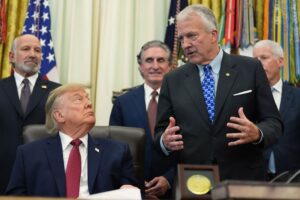
Their story is emblematic of a broader trend, as a surge of institutional investors has been purchasing single-family homes, driven by historically low mortgage rates. This trend has caught the attention of political leaders, including President Trump, who recently proposed to “ban large institutional investors” from acquiring more single-family homes.
A Local Response in Indiana
In Fishers, Indiana, the issue has reached a tipping point. Republican Mayor Scott Fadness was alarmed by a report revealing that investor landlords owned up to 38% of homes in certain neighborhoods. This prompted the mayor to propose a 10% rental cap per neighborhood to safeguard local homeownership.
“It’s been a source of generational wealth in our country for a very long time, particularly in the middle class,” Fadness stated. Despite opposition from realtor groups, the City Council unanimously supported the measure, which took effect on January 1.
This initiative stands out amid numerous failed attempts by cities and states to limit investor homebuyers. Even at the federal level, efforts have stalled, though California Governor Gavin Newsom has joined the call for action alongside Trump.
The Economic Perspective
While institutional investors are often blamed for rising home prices, housing experts urge a more nuanced view. Laurie Goodman from the Urban Institute’s Housing Finance Policy Center argues that investor involvement is just one piece of a larger puzzle.
“People see the connection, but they don’t necessarily separate out the cause and effect,” Goodman remarked. She noted that investors typically target areas already experiencing growth and often purchase fixer-uppers that require significant investment.
According to Goodman, the main factor driving prices up is a housing shortage, and some investors are helping ease this by building new single-family homes for rent. “The best way to make housing affordable is to simply build more of it — to increase supply,” she said.
The Ongoing Debate in Las Vegas
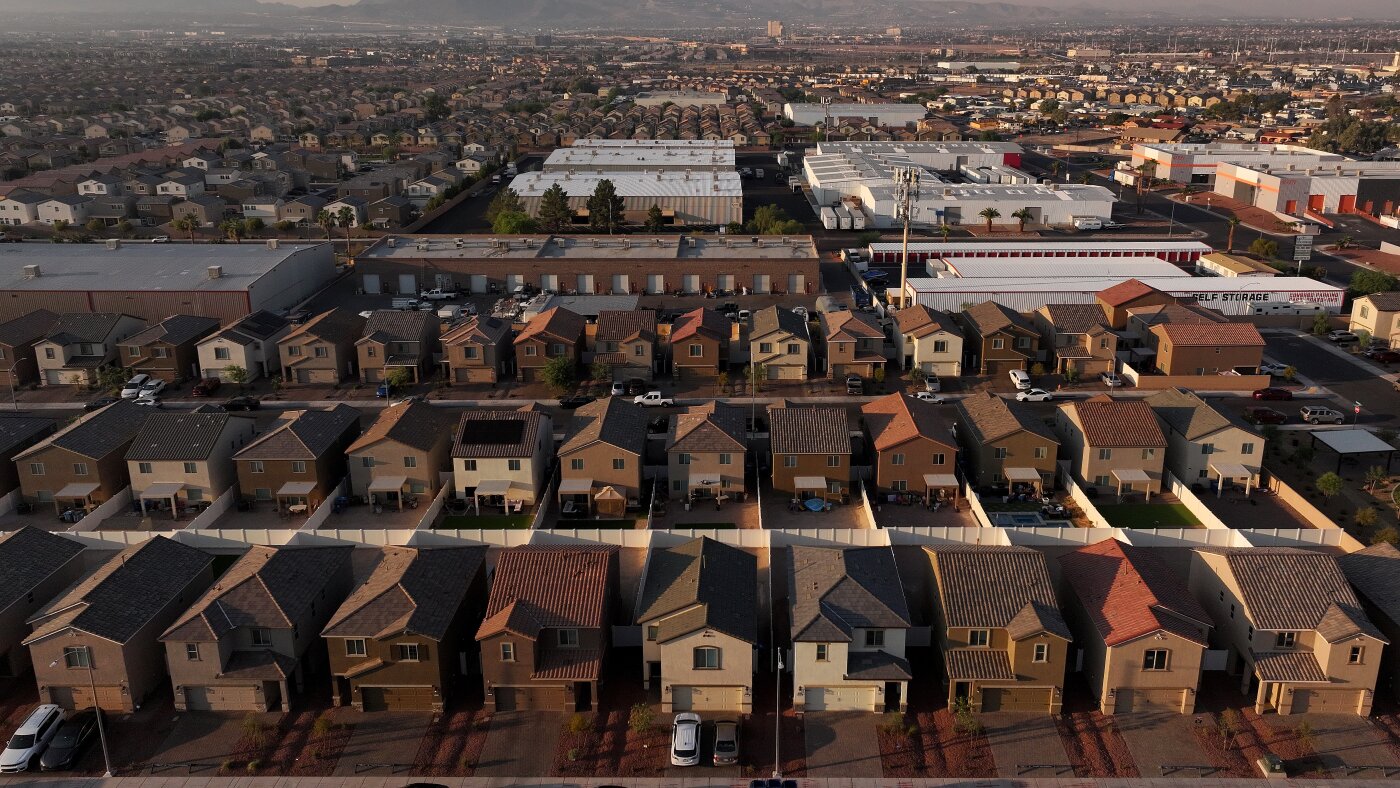
In Las Vegas, Democratic state Sen. Dina Neal remains concerned about the impact of investor-driven rental developments on homeownership opportunities. She highlighted a nearby project where an investor constructed an entire neighborhood for rental purposes.
“They wanted to make sure they would secure rental income from 200 different families and keep it,” Neal asserted. Like Mayor Fadness, she worries that high rents inhibit residents from saving for homeownership.
Neal has proposed limits on corporate landlords multiple times, but Nevada’s Republican governor, Joe Lombardo, has consistently blocked these initiatives. However, with Trump now advocating for similar measures, Neal hopes his influence might sway more support for her cause.
This article was originally written by www.npr.org