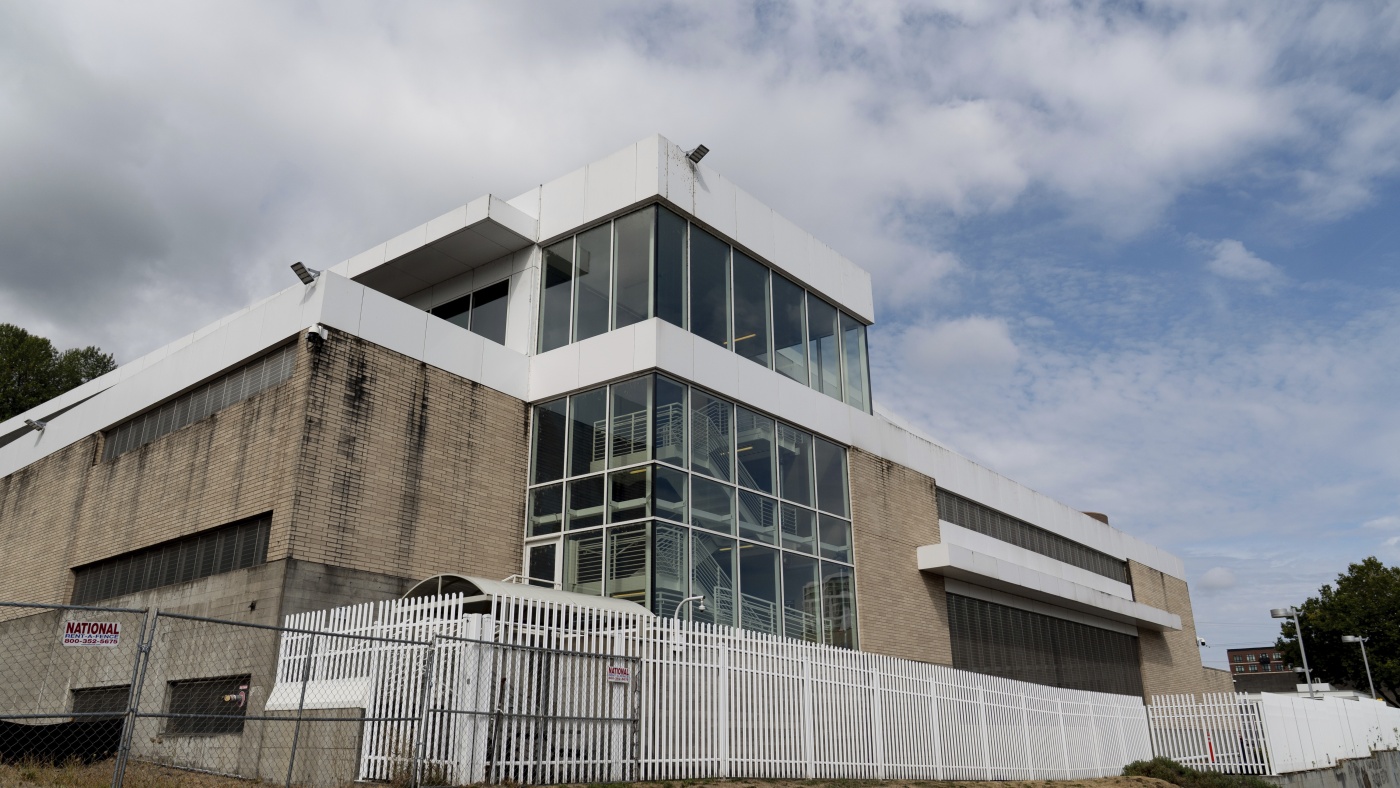
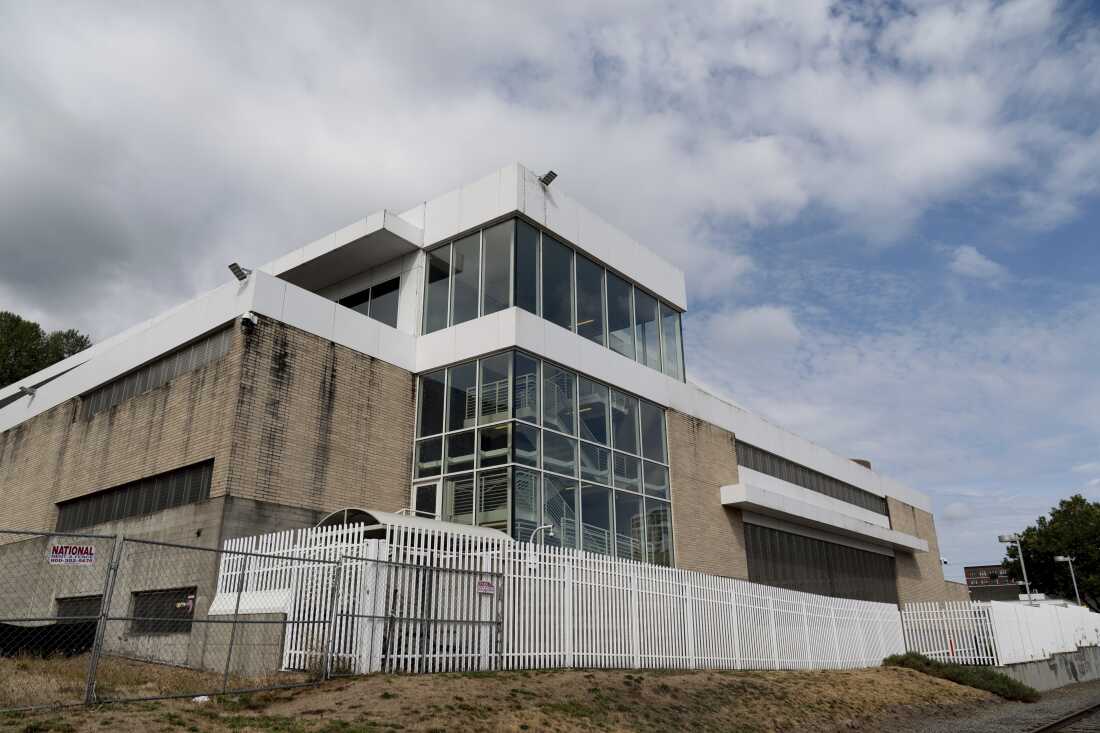
The U.S. Immigration and Customs Enforcement building is seen in Portland, Ore. this month.Jenny Kane/AP
A recent decision by a federal judge in Portland has temporarily halted President Trump’s plans to deploy 200 National Guard members in Oregon. The move was intended to address protests outside a local ICE facility.
Judge Karin J. Immergut determined that the situation did not meet the threshold for a rebellion, the required condition for federalizing the National Guard. She highlighted the capabilities of the Portland Police Bureau, which employs 812 officers trained in managing crowds and upholding First Amendment rights, noting their existing support agreements with state and federal law enforcement.
In her ruling, Judge Immergut stated, “If additional resources beyond all of these are critically needed, PPB may request that Oregon’s Governor provide National Guard resources for a locally declared emergency.”
The ruling emphasized that protests have generally been limited to small, peaceful groups and that the government failed to demonstrate any organized attempt to overthrow the government. Judge Immergut, appointed by Trump in 2019, noted that isolated incidents of violence against federal officers did not constitute a broader threat.
Meanwhile, a broader lawsuit challenging the legality of Trump’s deployment strategy is proceeding at a slower pace.
Deployments of National Guard troops have been a contentious issue, with Trump sending forces to cities like Los Angeles and Washington D.C. and planning to send them to Memphis with state approval. The President has also threatened to send troops to Chicago, despite opposition from local leaders. In contrast, Louisiana’s Governor has requested troop support for addressing crime in New Orleans.
President Trump insists these deployments are essential for protecting ICE agents and reducing crime, although crime rates in some targeted cities, including Portland, have been declining. The situation in Portland has drawn particular attention, with the President describing the city as “war ravaged” and authorizing “Full Force, if necessary” against “domestic terrorists.”
Local officials, however, argue that the protests outside the ICE facility do not warrant such measures. They report that protests are small and largely nonviolent, with law enforcement making few arrests in recent months. The situation is described by Portland Police Chief Bob Day as contained and not warranting the level of attention it has received.
In the broader context, Oregon and Portland have challenged the administration’s actions, arguing that the deployment is an overreach not justified by current conditions. They highlight that the scale of the protests does not compare to past events, such as those following George Floyd’s death in 2020.
The administration maintains that the National Guard is necessary due to threats faced by federal agents at the ICE facility, citing instances of assault and property damage. However, records indicate that protest activities have been relatively minimal.
In previous cases, such as in California, courts have also examined the legality of similar deployments, with mixed outcomes. A California judge ruled against Trump’s deployment in Los Angeles, a decision now under appeal.
NPR’s Larry Kaplow contributed to this story.
This article was originally written by www.npr.org