
Kelvin Waves: The Unseen Force Behind This Year’s Super El Niño
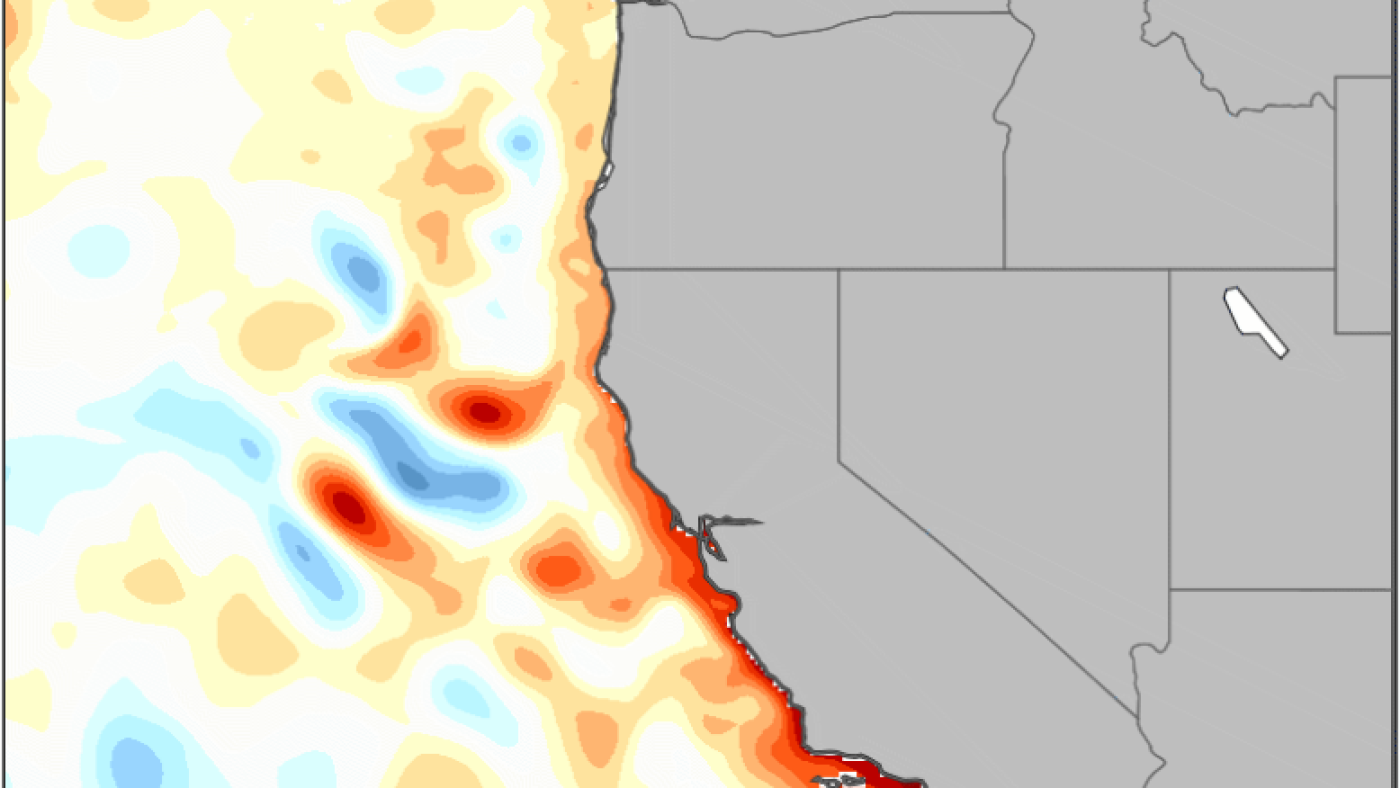
In a year marked by the emergence of a “Super El Niño,” a lesser-known phenomenon has caught the public’s attention along the West Coast of the United States. Kelvin waves, deep ocean waves that are currently elevating sea levels, have become a topic of interest, with educational videos gaining traction on social media platforms like TikTok and X.
Mark Cane, a pioneer in El Niño predictive modeling from Columbia University, expressed his surprise at the newfound interest in Kelvin waves: “It does surprise me – I mean, here it’s been around all this time. I’m sure Lord Kelvin is happy in his grave.”
Understanding Kelvin Waves
Kelvin waves, named after the British physicist Lord Kelvin, form along the equator during El Niño years. These waves, composed of warm water, move eastward across the Pacific Ocean until they reach South America. At that point, they split, traveling north up the West Coast and south towards Chile. This movement is akin to a “bathtub sloshing around,” according to Cane.
These waves are not the towering waves seen in storms or hurricanes but are instead large-scale oceanic movements. Dillon Amaya, an assistant professor at North Carolina State University, describes them as “a planetary-scale wave,” which gradually increases sea levels, potentially raising flood risks and warming coastal waters.
Impacts on Coastal Regions
The presence of Kelvin waves can heighten the risk of flooding and coastal erosion. Amaya notes that these waves don’t directly cause flooding; instead, they create conditions where flooding is more likely when combined with other factors like storms or high tides. This was evident in early October when a combination of higher sea levels from a Kelvin wave and Tropical Storm Rachel led to significant flooding in Southern California.
Increasing Water Temperatures
Beyond raising sea levels, Kelvin waves bring warmer waters northward, which can disrupt marine ecosystems. “We’ve seen tropical fishes in places that we don’t normally see them,” says Amaya, noting sightings of unusual marine life, like whale sharks near San Diego. The waves can also suppress nutrient-rich cold waters, with reports of seabird deaths along the coast linked to these warmer conditions.
Looking Ahead: Future Kelvin Waves
Amaya predicts that as many as five to six Kelvin waves could occur during a strong El Niño year. The next wave is expected to reach San Diego in late October or early November, with additional waves anticipated through the fall and early winter. These waves typically diminish before El Niño peaks, which is predicted to occur late this year or early January. According to NOAA, this year’s El Niño is likely to remain strong through early 2027.
This article was originally written by www.npr.org




Comments are closed.