Escalating Tensions in the Middle East After Air Strikes on Iran
Unprecedented air strikes on Iran have ushered in a new era of instability across the Middle East. The coordinated attacks by the U.S. and Israel resulted in the death of Iran’s supreme leader, Ayatollah Ali Khamenei, leading to widespread unrest in the region.

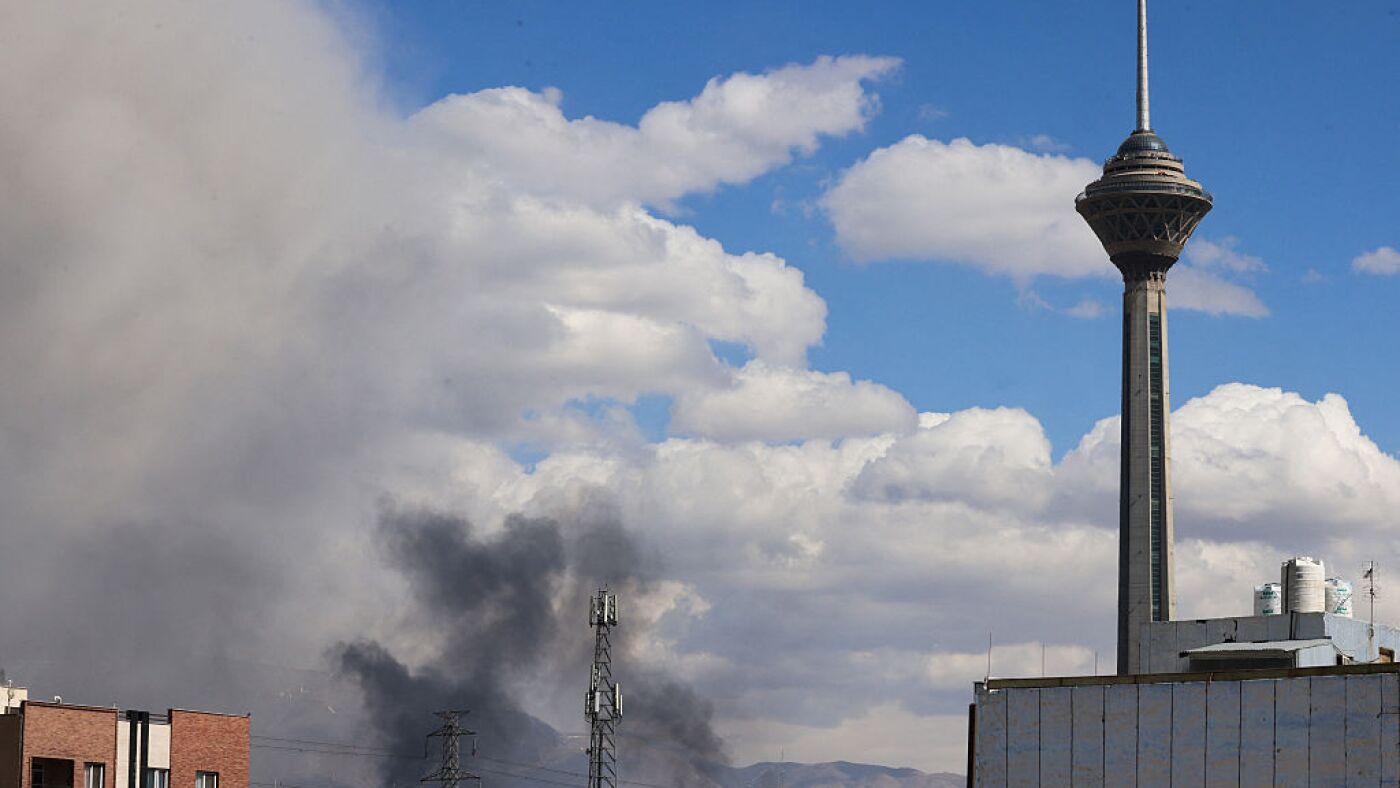
A plume of smoke rises following reported explosions in Tehran on March 1, 2026. Atta Kenare/AFP via Getty Images
Following the loss of their supreme leader, the Iranian military continues to target U.S. and Israeli sites, hitting locations in Gulf states, Iraq, and Jordan. The Iranian government’s military operations seem to remain organized despite the leadership void.
Israel has initiated a fresh series of assaults on Iranian soil, with strikes reportedly focused on targets in Tehran, described by Israeli military officials as belonging to “the Iranian terror regime.”
In a tearful announcement, Iranian state media confirmed the death of 86-year-old Ayatollah Ali Khamenei. His death leaves a temporary leadership council in charge until a new spiritual leader is appointed by a panel of Shia clerics.
Massive crowds gathered in Tehran’s Enghelab Square and other city centers to honor Khamenei, whom they regard as a martyr. In the city of Yasuj, chants of “the lion of God has been killed” filled the air, as shared in social media videos.
Reports indicate that Khamenei’s close family members and high-ranking military officials were also casualties of the attacks. Notably, no new protests have emerged, despite past demonstrations against the regime.
In Lebanon, Hezbollah plans to hold a commemoration event, although the group, which has condemned Khamenei’s death, has not yet actively retaliated. In Iraq, authorities have ramped up security in Baghdad’s green zone to protect diplomatic missions.
Jordan’s residents were jolted awake by air raid sirens and missile interceptions, while the affluent Gulf region faced significant disruptions. Iran’s retaliatory strikes targeted luxury accommodations and infrastructure, leading to operational shutdowns at key airports, including Dubai International Airport.
Iran has threatened to escalate attacks on both Israeli and U.S. military bases, claiming significant hits across the region. However, these assertions remain unverified by the targeted nations.
In response to the attacks, Iran has also closed the strategic Strait of Hormuz, potentially impacting global oil supply. OPEC nations are poised to discuss measures to mitigate any resulting economic repercussions.
President Trump has issued warnings to Iran, emphasizing potential U.S. military responses via “Truth Social.” He indicated the possible scope of future actions, suggesting options range from a comprehensive takeover to a short-lived confrontation.
This report includes contributions from Carrie Kahn in Istanbul.
This article was originally written by www.npr.org