Rising Popularity of Mobile Homes Amid Soaring Housing Costs and Interest Rates
As housing prices continue to escalate alongside high interest rates, an increasing number of Americans are turning to mobile homes as a cost-effective solution. However, many of these mobile home parks are under the control of private equity firms, which often raise rents and neglect necessary maintenance, a situation exacerbated by limited oversight.
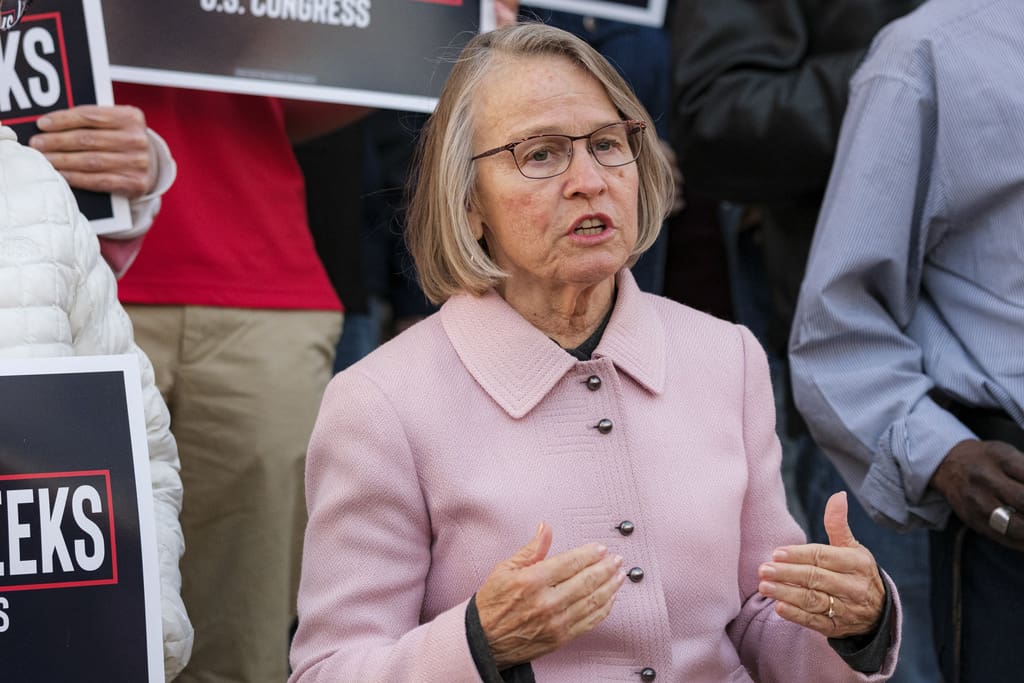
In June of last year, residents of mobile homes in Johnson County, Iowa, appealed to lawmakers for support of federal legislation aimed at curbing these practices. Republican Rep. Mariannette Miller-Meeks responded by suggesting it was a local issue, stating to Iowa News Now, “It sounds like this is a local issue that is impacting people, so I’m sure that our state legislators and senators are working on that. But on a federal level, let’s look at legislation before we comment on a hypothetical. So, I’d like to see what it is, what it does, and what are the intended consequences, but more importantly, what are the unintended consequences? Could the unintended consequence be that you make housing less affordable and less available?”
Critics of Miller-Meeks’ response point out that the issue transcends local boundaries, and her support for certain legislation has been seen as contributing to increased housing costs.
Today, what are commonly referred to as “mobile homes” are actually manufactured homes, constructed post-1976 under HUD regulations. Homeowners typically own their mobile homes but pay rent for the plots on which they reside.
Private equity firms have been increasingly acquiring these plots, drawn by the potential profits from consistent rent hikes. Housing advocates argue that government-backed mortgage entities like Fannie Mae and Freddie Mac have facilitated this trend by offering investors loans with minimal conditions.
In Iowa’s Johnson County and other areas, Havenpark Communities, a Utah-based private equity firm, has purchased several mobile home parks. Residents have experienced rent increases of up to 70%, while essential services such as snow removal, tree trimming, and access to clean drinking water have deteriorated.
Linda Hickson, a resident of Lake Ridge Estates in Iowa City, expressed her frustrations to Iowa Public Radio, saying, “When you go to run bath water and it’s brown, you don’t want to get into it, and ice cubes have been yellow.”
A proposal to limit rent increases in mobile home parks was introduced in the Iowa state house in 2022, aligning with Miller-Meeks’ suggestion, but it was ultimately quashed due to lobbying efforts by the Iowa Manufactured Housing Association.
Iowa is experiencing some of the steepest rent increases nationwide, with average rents rising 2.6% in 2023 alone. During this period, Miller-Meeks supported the Republican-led Limit, Save, Grow Act, aiming to reduce federal spending to 2022 levels, potentially affecting funding for rental assistance. Although the bill did not pass, it posed a threat to more than 5,000 Iowans who could have faced increased rents.
In September 2023, she endorsed another Republican spending proposal that risked rental assistance for 850,000 low-income households nationwide.
Miller-Meeks is pursuing a fourth congressional term, with Democratic State Rep. Christina Bohannan, who has personal experience living in a mobile home, challenging her and prioritizing housing affordability in her campaign. Bohannan stated, “Mariannette Miller-Meeks has had three terms in Congress – three chances to do right by the people of Iowa,” highlighting her opponent’s connections with corporate interests. Bohannan had previously run against Miller-Meeks in 2024, losing by a narrow margin of fewer than 800 votes.
—
Read More Kitchen Table News