
The Pentagon’s AI Ambitions Face Scrutiny: GAO Report Highlights Risks and Recommendations
As the Pentagon advances its artificial intelligence (AI) capabilities in weaponry, a recent report by the U.S. Government Accountability Office (GAO) reveals potential discrepancies between these developments and the Department of Defense’s own AI guidelines. The report, released in October, provides an in-depth examination of the challenges and risks associated with AI integration in military applications.
Over the years, AI researchers and global entities have consistently emphasized the need for stringent regulations on AI in weapon systems, citing concerns over unpredictability and minimal human oversight. These issues could potentially jeopardize both military personnel and civilians and may escalate conflicts rapidly. Despite these warnings, Defense Secretary Pete Hegseth has been a proponent of swift AI adoption within the Pentagon, advocating for the development of autonomous warfare technologies.
In January, the Pentagon issued a memo declaring its intent to become an “AI-first” warfighting entity across all divisions. Following this, Hegseth announced a dedicated command for autonomous weaponry, including drones, in September, reinforcing the Department’s commitment to AI innovations.

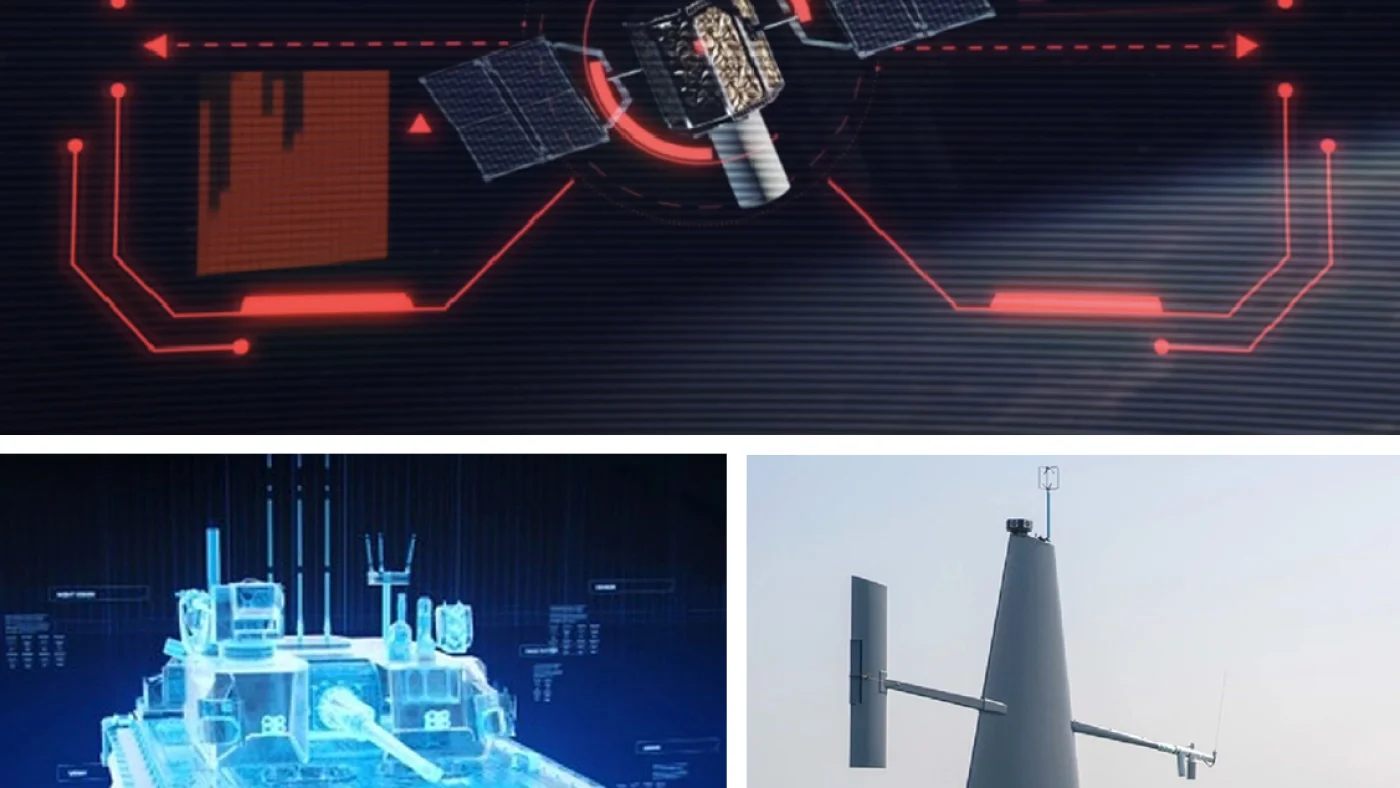
Image credit: Government Accountability Office/GAO
The GAO’s investigation involved interviews with 10 officials responsible for developing AI-powered weapons and tools. These projects are part of a larger portfolio of over 300 AI initiatives within the Pentagon. The officials revealed that six out of the ten projects had identified operational risks associated with their deployment.
To mitigate such risks, the Pentagon had outlined six core tenets in 2021, emphasizing oversight, verification, and collaboration with international allies to uphold shared values. Alissa Czyz, who led the GAO review, stated that while these tenets are not mandatory, they are recognized as essential guidelines by those involved in AI weapon development.
“It’s a memo, right, at the end of the day, so it’s not a department instruction,” Czyz explained. “It’s something that the department has signaled should be implemented.”
Despite initial efforts to adhere to these principles, the GAO report noted inconsistencies in their application. Four officials admitted that their projects were not fully aligned with the Responsible AI tenets, and three were uncertain about the continuous monitoring of these systems post-deployment.
The lack of personnel knowledgeable about AI guidelines has been identified as a critical challenge. The Pentagon’s Department of the Responsible AI Division, tasked with guiding AI integration, is significantly understaffed, with only three out of ten authorized positions filled as of February 2023.
In response, the GAO recommended that the Pentagon clarify the roles and responsibilities of the office overseeing AI regulation and address staffing deficiencies. Although the Pentagon agreed with these suggestions, they had not been implemented as of late October.
During a speech at SpaceX, Hegseth expressed his view that delays in AI development due to procedural measures are unacceptable. “Our enterprise currently operates on staffing and committee cycles measured in months and years, and that’s unacceptable,” he stated. “Military AI is going to be a race for the foreseeable future where the risks to U.S. national security of moving too slowly outweigh the impacts of imperfect alignment.”
NPR is seeking insights from individuals working within federal agencies or AI companies regarding AI utilization. Contact reporter Chiara Eisner at ceisner@npr.org or via Signal here, username ceis.78.
This article was originally written by www.npr.org




Comments are closed.