The Legacy of Hurricane Katrina: A City Still Healing
In the quiet Gentilly neighborhood of New Orleans, a small brick house stands as a haunting reminder of the devastation caused by Hurricane Katrina two decades ago. Preserved by Levees.org, the house exhibits the aftermath of one of the worst disasters in U.S. history, with its interior recreated by artists to reflect the chaos that survivors encountered upon returning home.
Founder of Levees.org, Sandy Rosenthal, guides visitors through the house, pointing out the symbols left by first responders, noting, “This is the date, September 22nd. This is the number of people deceased in the home.” The symbols also indicate hazards like gas leaks or structural collapses.
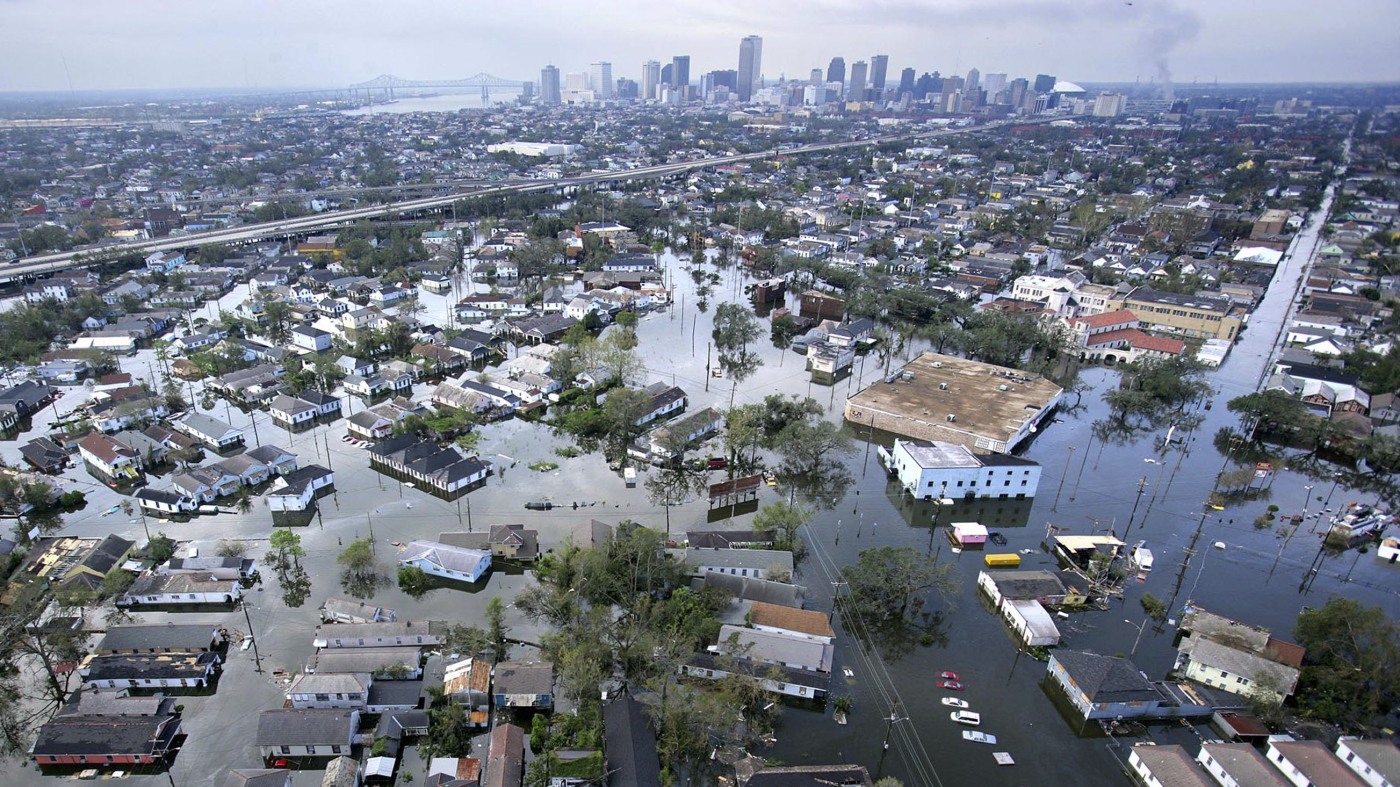
The house’s musty atmosphere, with furniture upturned and possessions scattered, bears witness to the massive storm surge that overwhelmed the city, breaching levees and floodwalls. When Katrina hit, it submerged 80% of New Orleans and wiped out entire neighborhoods. The revised death toll from Katrina stands at approximately 1,400 lives, following a new analysis of death reports, down from an initial count of 1,800.
Nearby, Levees.org has established an outdoor exhibit and garden, marking a significant levee breach on the London Avenue Canal. “A 20-foot section of floodwall broke, unleashing Niagara Falls into this neighborhood,” Rosenthal remarks, describing the devastation that uprooted homes.
Survival on Rooftops: A Fight Against Nature’s Fury
In the Lower Ninth Ward, Robert Green retains a staircase from his mother’s house as a poignant symbol of survival. As Katrina’s floodwaters rose, Green and his family scrambled to the attic and onto the roof. “We had five minutes to get from the inside of the house into the attic,” Green recalls.
As the house floated away, Green and his family found themselves on another roof. Tragically, his granddaughter Shanai disappeared into the storm surge, “fighting the storm surge,” Green remembers.
Foreseen Yet Unprevented: The Unfolding of a Predicted Catastrophe
Several years before Katrina, reporters Mark Schleifstein and John McQuaid had warned of New Orleans’ vulnerability in a series titled “The Big One.” Schleifstein reflects, “What we explained was that this city would flood, that there would be dramatic movement of water over the levees.”
Despite warnings, the city’s levees, made of soft soil in places, were deemed unreliable by experts like Ivor Van Heerden. A 2004 FEMA-funded exercise, “Hurricane Pam,” predicted massive flooding and thousands of deaths if a major hurricane hit New Orleans.
The Evacuation and Its Aftermath
In the days preceding Katrina’s landfall, New Orleans Mayor Ray Nagin and Louisiana’s governor issued evacuation orders. Yet, many residents lacked the means to leave, and plans for public transportation evacuations faltered.
The Superdome became a “shelter of last resort” for thousands, but resources were quickly exhausted. When Katrina struck, the levees failed, and floodwaters inundated the city.
A Struggle for Aid: The Slow Response and Its Consequences
With much of New Orleans flooded, aid was slow to arrive, and residents felt abandoned. Reports of desperate conditions in shelters reached federal authorities late, highlighting communication breakdowns and unpreparedness within FEMA.
Mary Landrieu, a former Louisiana Senator, criticized FEMA’s response, stating, “Katrina was horrifying and tragic.” She emphasized the need for a strong federal role in disaster response, warning against proposals to diminish FEMA’s responsibilities.
Lessons Learned: The Cost of Preparation vs. Recovery
Hurricane Katrina inflicted an estimated $125 billion in damage, with rebuilding efforts, such as strengthening the levees, costing billions more. The disaster underscored the importance of proactive disaster preparation to mitigate the costs and challenges of recovery.
This article was originally written by www.npr.org