The Supreme Court Questions Presidential Authority Over Fed Board Dismissal
In a pivotal session on Wednesday, the Supreme Court expressed doubts about the legality of President Trump’s efforts to dismiss a Federal Reserve Board of Governors member, raising concerns about the potential impact on the independence of the central bank.
The central issue is whether the president’s decision to remove a Fed board member is beyond judicial scrutiny, as argued by the Trump administration in the case concerning Fed Governor Lisa Cook. Cook’s legal team contends that allowing such dismissals without court oversight could undermine the Fed’s autonomy.

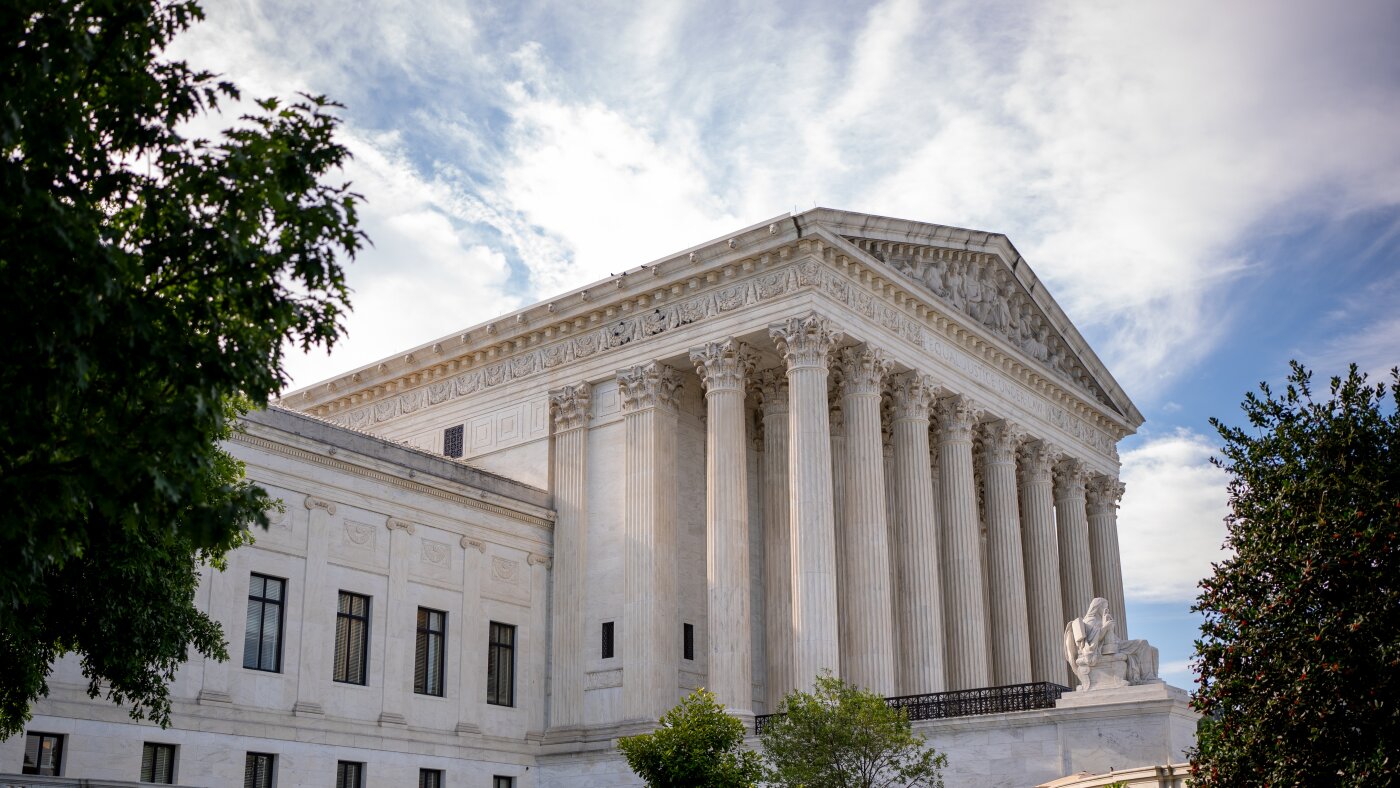
The Supreme Court Andrew Harnik/Getty Images
Allegations against Cook involve accusations of document falsification to procure loans for properties she reportedly listed as primary residences. Her defense claims one property was a vacation home. The charges originated from Bill Pulte, overseeing the Federal Housing Finance Agency under Trump, while Cook maintains her innocence. Her lawyers highlight similar mortgage applications by Trump’s Cabinet members and Pulte’s relatives without raising suspicion.
The Supreme Court’s decision remains uncertain. Previously, the conservative majority allowed Trump to dismiss other agency leaders, overriding laws that protected agency heads. However, the court also noted the Federal Reserve as a “uniquely structured, quasi-private entity” akin to historical banks established by Congress in 1791 and 1816, suggesting its special status.
Should Trump succeed, he could potentially replace not only Cook but other governors. With Fed Chair Jerome Powell’s chair term ending soon but continuing as a governor, Trump would need to remove current governors to appoint a majority during his presidency.
This is a developing story and will be updated
This article was originally written by www.npr.org