Understanding the Impact of Tariffs: Why Prices Haven’t Skyrocketed Yet
Amid concerns about rising costs due to new tariffs, many consumers are left wondering when these price hikes will actually take effect. Although tariffs on imports, particularly from China, have been in the spotlight, the anticipated price increases have not yet fully materialized. Here’s a look at the factors involved.
Postponement of Major Tariffs
In April, President Trump announced tariffs on nearly all imports, with Chinese goods facing up to a 145% levy. This announcement shook the stock market, leading to a notable plummet, prompting a temporary pause. Initially set for a 90-day delay, the tariffs were postponed again until August 1.
Currently, a 30% tariff is applied to Chinese imports, while other countries face at least 10%. Talks are ongoing between the U.S. and China, and a new deal was recently agreed upon with the European Commission.
Strategic Stockpiling by Companies
Anticipating tariff increases, many businesses rushed to stockpile goods, effectively delaying the impact on consumers. For example, Best Buy increased its electronics inventory, while American Fireworks Company prepared for the Fourth of July with Chinese fireworks. BAYDOG’s Barton O’Brien expanded his storage for pet supplies, even resorting to renting extra containers.
Supply chain expert Zac Rogers noted, “A lot of the things that consumers have bought so far is from that first surge,” explaining why prices have remained stable.
Importers Exercise Caution
The broader scope of tariffs announced in April took importers by surprise, leading many to cancel or delay shipments from countries like Vietnam and Mexico. Importers, facing new customs charges, are holding back until the situation stabilizes.
Patrick Allen, an importer of French wine, expressed the uncertainty: “Importers are afraid,” he said, as businesses hold off on typical holiday orders.
Absorbing Costs Instead of Raising Prices
Despite increased tariffs, many companies are reluctant to pass the full cost onto consumers. Bobby Djavaheri from Yedi Houseware explained, “I think we raised [prices] about 10% and absorbed the rest,” acknowledging the challenge of maintaining consumer interest.
Automakers like General Motors and Stellantis are also absorbing costs, with GM reporting a $1.1 billion tariff impact recently.
Tariff Delays vs. Price Relief
While the tariff delay offers temporary relief, it doesn’t guarantee long-term savings. Companies have been using this time to prepare for the holiday season, attempting to keep prices stable.
Rogers compared the situation to a last-minute deadline extension, suggesting the government allowed more time for retailers to adjust inventory strategies.
Slow and Steady Price Increases
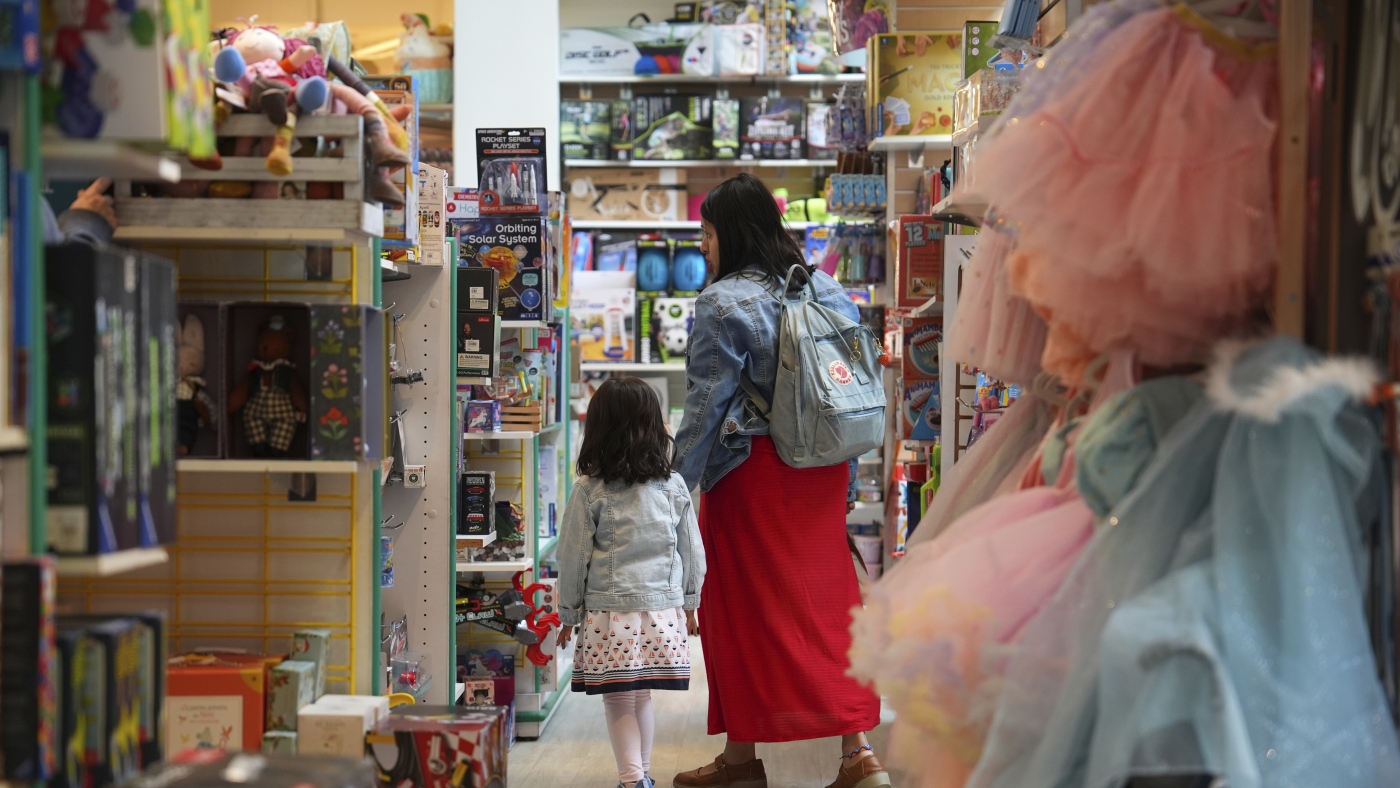
While prices are expected to rise, the increase has been more gradual than feared. Inflation in June rose by 2.7%, with modest increases in tariff-affected categories such as toys and appliances.
Toymaker Hasbro anticipates a later impact, with finance chief Gina Goetter describing costs as “minimal,” thanks to strategic planning and cost adjustments.
Business owners are hopeful that extreme tariff rates, such as the proposed 145% on Chinese goods, will not be implemented. As Danny Reynolds from Stephenson’s boutique remarked, “That would have put people out of business in a hurry, quite honestly.”
This article was originally written by www.npr.org