Tech Boycott Gains Momentum Amid Protests Against Immigration Policies
As Americans increasingly turn to unconventional methods of protest, a new movement is urging consumers to rethink their reliance on tech giants. This initiative, aimed at challenging the Trump administration’s immigration policies, has seen participants like Portland resident Brittany Trahan opt for DVDs over streaming services and rely on local stores instead of Amazon.
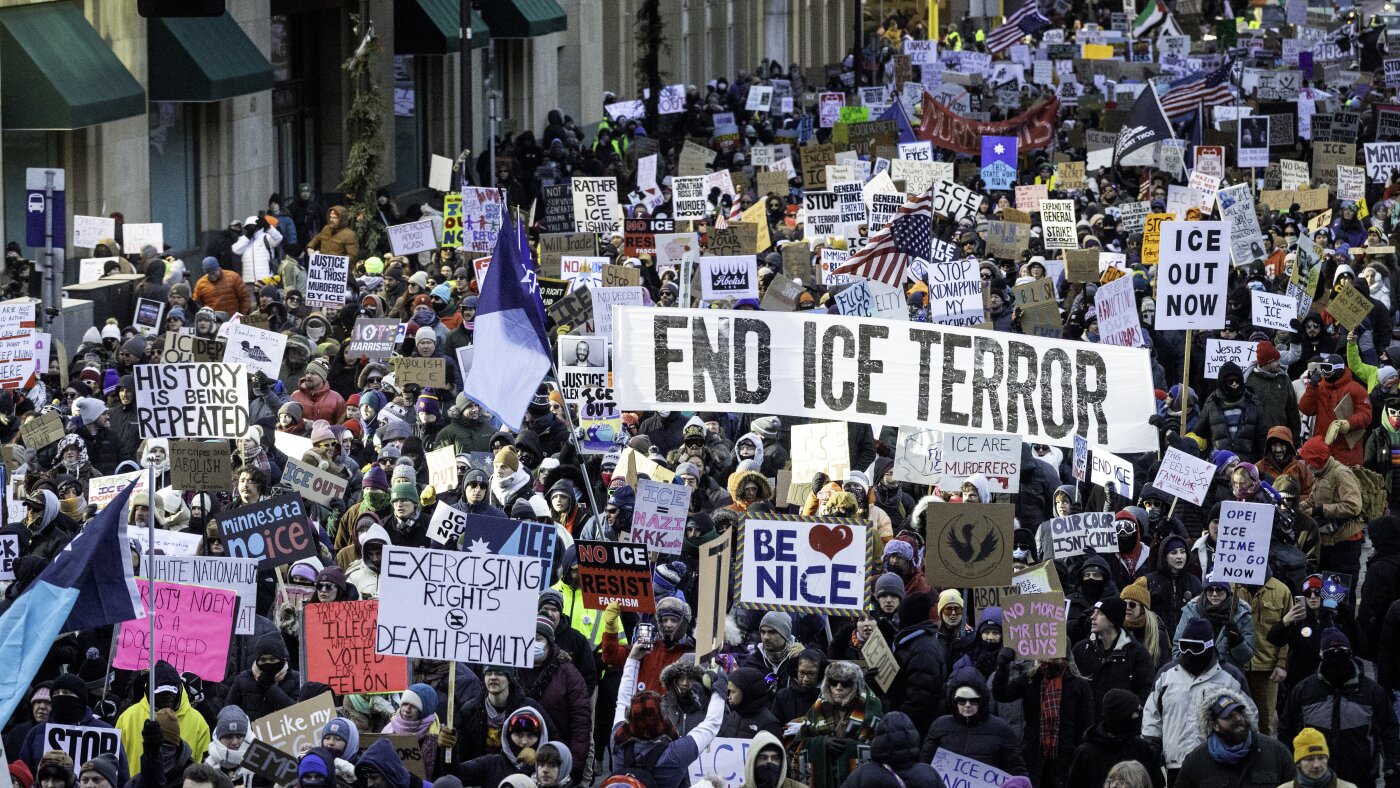
The boycott, which kicked off this month, is part of a campaign called “Resist and Unsubscribe,” spearheaded by Scott Galloway, a well-known podcaster and business analyst. Galloway’s frustration stems from what he perceives as the administration’s indifference to public dissent, particularly following recent incidents in Minneapolis involving federal immigration officers.
“I have not gotten the impression that outrage among the citizenry is a problem for this administration,” said Lisa Shannon, a participant from Portland. “I think money is a problem for this administration, so I’m leaning in on that front.”
Galloway’s strategy is to impact financial markets, as he believes this is where the administration is most vulnerable. His website lists companies linked to U.S. Immigration and Customs Enforcement (ICE) or those whose economic influence could potentially pressure the markets if boycotted.
“I think this is a weapon that is hiding in plain sight,” Galloway mentioned to NPR. “The most radical act you can perform in a capitalist society is non-participation.”
Though it’s early to determine the boycott’s financial impact on tech firms, it has garnered significant attention, with Galloway’s website drawing approximately 250,000 visitors in a single day.
Public Reaction and Challenges
While the initiative has sparked interest, some experts, like Lucy Atkinson from the University of Texas, note the challenges of asking consumers to forgo Big Tech, given its integration into daily life. Success, she argues, hinges on providing viable alternatives and sustaining the boycott long-term, as reputation damage often outweighs immediate financial loss for companies.
Participants, motivated by personal principles or disillusionment with political leaders, are making sacrifices to support the boycott. Trahan, for instance, has canceled subscriptions to several streaming services, even missing out on new episodes of favorite shows like Shrinking.
Meanwhile, Shannon’s decision to abandon Amazon Prime was influenced by the company’s funding of a Melania Trump documentary, which she found objectionable.
Future Prospects and Participant Experiences
The month-long boycott has prompted discussions about its potential duration and effectiveness. Some, like Jake Ward from Fort Collins, Colo., hope to extend their participation beyond February, fearing a short-term effort might not yield substantial change.
Despite the challenges, participants report unexpected benefits, such as discovering local businesses and reassessing unnecessary expenditures. As Seymour from Georgia remarked, “I think that finding really cool alternatives and more fulfilling ways to spend your time is gonna be a really awesome byproduct.”
Galloway acknowledges the concerns about the boycott’s limited timeframe but emphasizes empowering individuals to make their own choices regarding participation.
Note: Google, Apple, and Warner Bros. Discovery (owners of HBO Max) support NPR financially. Amazon also contributes to NPR and hosts some of its content.
This article was originally written by www.npr.org