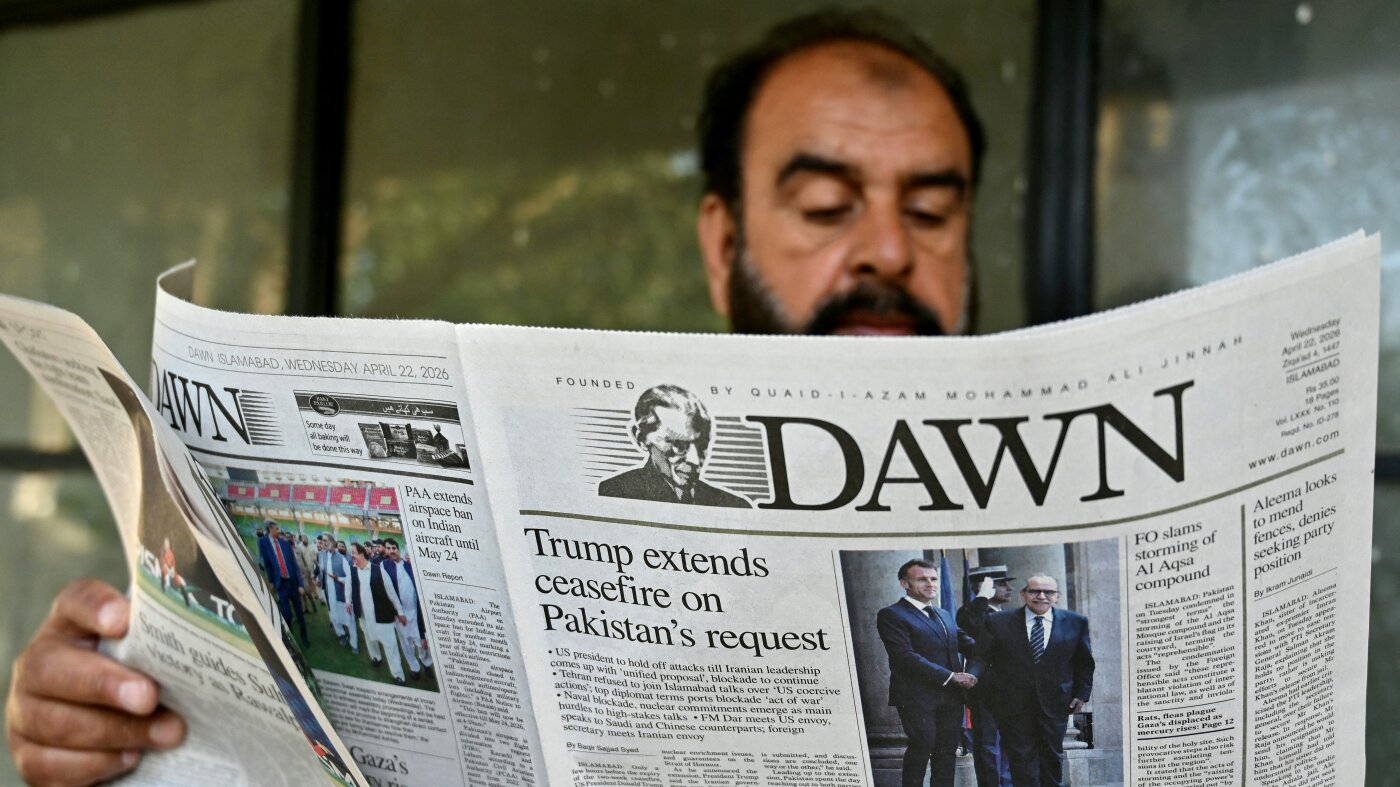
Maritime Tensions Escalate in the Strait of Hormuz Amid Ceasefire Uncertainties
Recent developments in the Strait of Hormuz have cast doubt on the potential for peace talks between the U.S. and Iran. This comes after a senior Iranian official dismissed President Trump’s extension of a ceasefire as meaningless.
Three ships were reportedly attacked on Wednesday. The UK Maritime Trade Operations (UKMTO) confirmed that Iran’s Revolutionary Guard damaged the first vessel. Thankfully, no injuries were reported. “The Master of a Container Ship reported that the vessel was approached by 1 IRGC gun boat,” according to UKMTO. Despite the lack of warning, the ship sustained heavy damage to its bridge.
The Iranian Tasnim News Agency claimed the attacked ship ignored multiple warnings. UKMTO has yet to identify those responsible for a second vessel’s attack, which resulted in no harm or damage. Meanwhile, Fars news agency reported a third ship, the Euphoria, was attacked and seized by Iran’s Navy.
Ceasefire Extension and Diplomatic Challenges
President Trump extended a ceasefire with Iran just before its expiry, aimed at facilitating a “unified proposal” from Tehran. However, Iran’s refusal to attend a planned second round of peace talks in Islamabad has complicated matters.
Iranian officials, including Mohammad Bagher Ghalibaf, expressed skepticism about the ceasefire’s effectiveness without the removal of maritime blockades. Foreign Minister Abbas Araghchi criticized the blockade as a violation of the ceasefire, further accusing the U.S. of escalating tensions with the seizure of an Iranian ship.
Economic Impact and International Reactions
The conflict has severely impacted Iran’s economy, with President Trump stating on social media that Iran is on the verge of financial collapse. The U.S. has implemented a naval blockade, which Treasury Secretary Scott Bessent claims will strain Iran’s oil trade and revenue.
The U.K. and France have initiated a two-day conference to address the situation. The goal is to form a multinational mission to secure the Strait of Hormuz and alleviate oil market pressures. However, any action plans are contingent on a sustained ceasefire.
Global Perspectives and Consequences
U.N. Secretary-General António Guterres has cautiously endorsed the ceasefire extension, promoting diplomacy and confidence-building between the U.S. and Iran. Conversely, China and the European Union have urged restraint to avoid further hostilities.
Airlines and Economic Strains
The ongoing blockade and conflict have triggered a spike in jet fuel prices, forcing airlines like Lufthansa to reduce flights. United Airlines also indicated financial strains due to rising costs. Meanwhile, Spirit Airlines is facing bankruptcy challenges, exacerbated by the conflict-driven economic instability.
Key Issues and Regional Developments
Washington’s main concerns remain Iran’s nuclear ambitions and safe passage through the Strait of Hormuz. Iran demands the end of the U.S. naval blockade and assurances that fighting with Hezbollah will not resume.
Israel and Lebanon: Ongoing Negotiations
Amidst a fragile 10-day ceasefire, Israel and Lebanon are set for discussions in Washington. The talks aim to address the ongoing conflict with Hezbollah, despite the complex political dynamics in the region.
This article was originally written by www.npr.org