Unfolding Middle Eastern Conflict: Key Developments and Strategic Shifts
As tensions in the Middle East persist, significant political and military maneuvers are underway, indicative of a complex and dynamic situation. With the conflict entering its fourth week, international actors are making strategic decisions that could alter the course of events.
A notable development occurred when President Trump indicated a potential shift in U.S. military strategy. In a statement on Friday, he suggested that the administration might be “winding down” its military operations in the region. Further details can be found here.
Military Strategies in Focus
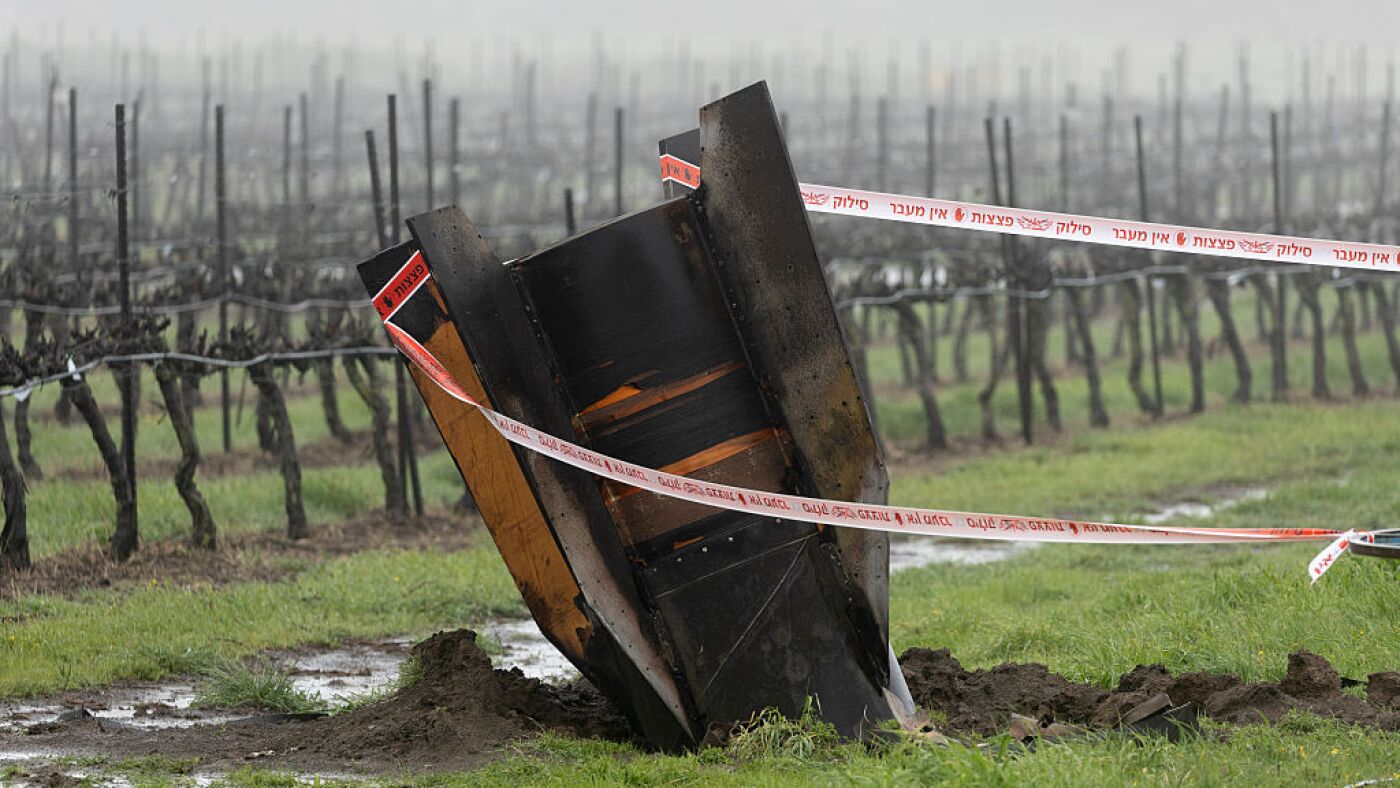
The Israeli military has intensified its operations, targeting sites in Tehran. The U.S. Department of Defense reports a significant decrease in Iranian missile and drone activities, down by 90% from the onset of the conflict. This reduction is attributed to the combined air power of the U.S. and Israel over Iran. The U.S. has also deployed Apache helicopters and A-10 Warthog planes, indicating a reduced threat level from Iranian forces.
Economic Implications and Sanctions
In an economic pivot, the Trump administration announced a temporary lift on some Iranian oil sanctions, a move aimed at stabilizing the volatile oil markets. This decision, expected to inject approximately 140 million barrels into the global market, comes amidst soaring oil prices, which have surged by 45% since the conflict began.
The economic impact has been profound, with the near-complete halt of traffic through the Strait of Hormuz affecting global oil supply chains. Further insights into this economic move can be accessed here.
Reinforcement and Deployment
Additional U.S. military forces are en route to the Persian Gulf, with the USS Boxer group, carrying thousands of Marines, expected to arrive in the coming weeks. This deployment complements the recent arrival of the USS Tripoli group from Japan, bolstering U.S. military presence in the region. More details can be found here.
International Reactions
Turkey has expressed strong opposition to recent Israeli strikes in Syria, labeling them as a “dangerous escalation.” The strikes, which targeted Syrian command centers and weapons depots, have drawn criticism from Turkey, a country with vested interests in the region. The ongoing conflict has also seen renewed hostilities between Syrian government forces and the Druze community, with Israel aiming to protect the latter.
This intricate web of military and diplomatic actions underscores the complexity of the current Middle Eastern geopolitical landscape. As the situation evolves, the international community remains watchful, anticipating further developments.
Contributions to this report were made by Greg Myre, Quil Lawrence, Alex Leff from Washington, Julia Simon from Los Angeles, Emily Feng from Turkey, and Miguel Macias from Spain.
This article was originally written by www.npr.org