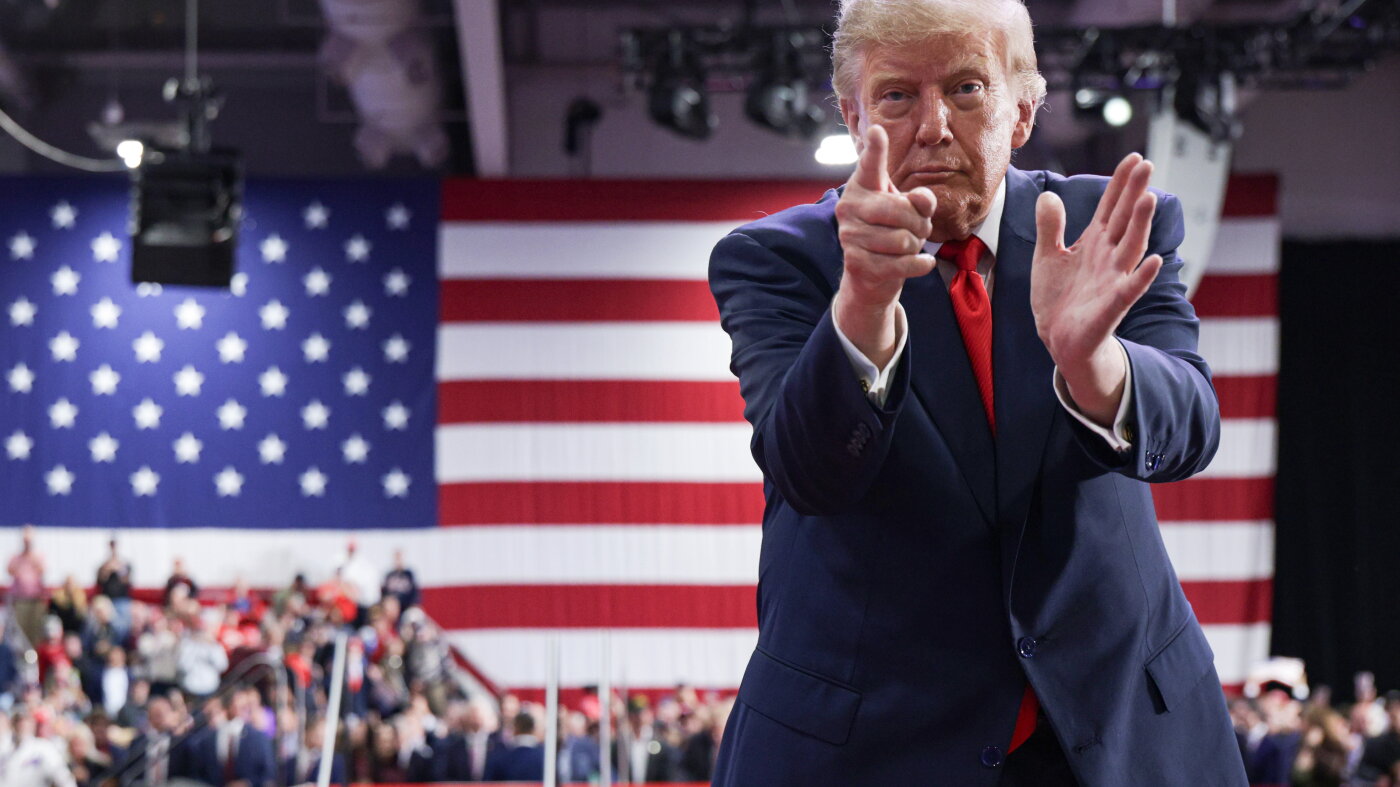
Controversy Surrounds Continued Airing of Government-Funded Trump Ads
Despite previous announcements of funding changes and a court order to halt them, ads promoting President Trump have continued to run. These ads, aired by the U.S. government, have sparked significant debate and legal challenges regarding their funding and content.
According to an analysis by NPR using data from AdImpact, the U.S. government has expended nearly $22 million in taxpayer dollars for these ads since the campaign started in late September. This expenditure includes almost $10 million spent after President Trump declared on Truth Social on October 5 that his MAGA Inc. super PAC would assume the financial responsibility for the ads.
Trump initially defended the use of government funds for the ads, stating, “The Radical Left is upset with the fact that I am taking Ads, which I consider to be a positive promotion for our Great U.S.A., and paying for them with U.S.A. money.” He further claimed, “This is a rather standard thing to do but, rather than doing that, although nothing will make them happy, I have decided to do the Patriotic Ads, among others, and pay for them myself, and with money I raised for MAGA, Inc.”
The ads have faced criticism from lawmakers across the political spectrum, with Republicans initially lauding Trump’s decision to transfer funding responsibility to the super PAC. However, this praise was short-lived as the government-sponsored ads continued to air post-announcement.
The White House has labeled these ads as public service announcements. Nevertheless, a lawsuit filed by Common Cause and other organizations argues that these ads were funded without congressional approval, allegedly breaching laws against taxpayer-funded publicity and propaganda.
Consisting of five different spots, the ads cover various pro-Trump themes. Some feature montages of the president accompanied by music, while others are similar to campaign ads from the 2024 election. Two ads highlight military operations in Venezuela and Iran, all ending with the message “Paid for by the U.S. Government.”
The continuation of these ads was briefly halted when a federal judge issued a temporary ruling to cancel them. However, they continued to be broadcast for several hours afterward. A White House official, speaking anonymously, stated, “The last PSAs paid for by the government aired yesterday evening,” noting that there was insufficient time to cancel the ads after the court’s notice. Future payments for these ads are expected to come from external groups.
The White House maintains that taxpayer funds used for these ads will not be reimbursed, arguing that the ads are not campaign-related since the president is not currently running for office. However, Trump’s encouragement for voters to support Republicans as if he were on the ballot, coupled with his low approval ratings, complicates this narrative.
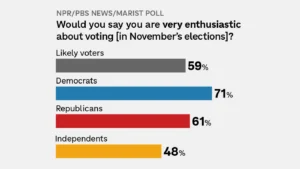
Public sentiment regarding the ads is largely negative. A Reuters/Ipsos poll indicates that 86% of Americans deem it inappropriate to use taxpayer money for election-related ads featuring the president or cabinet members, including an overwhelming 80% of Republicans.
This article was originally written by www.npr.org