Rare Earth Elements: The Hidden Backbone of Modern Technology
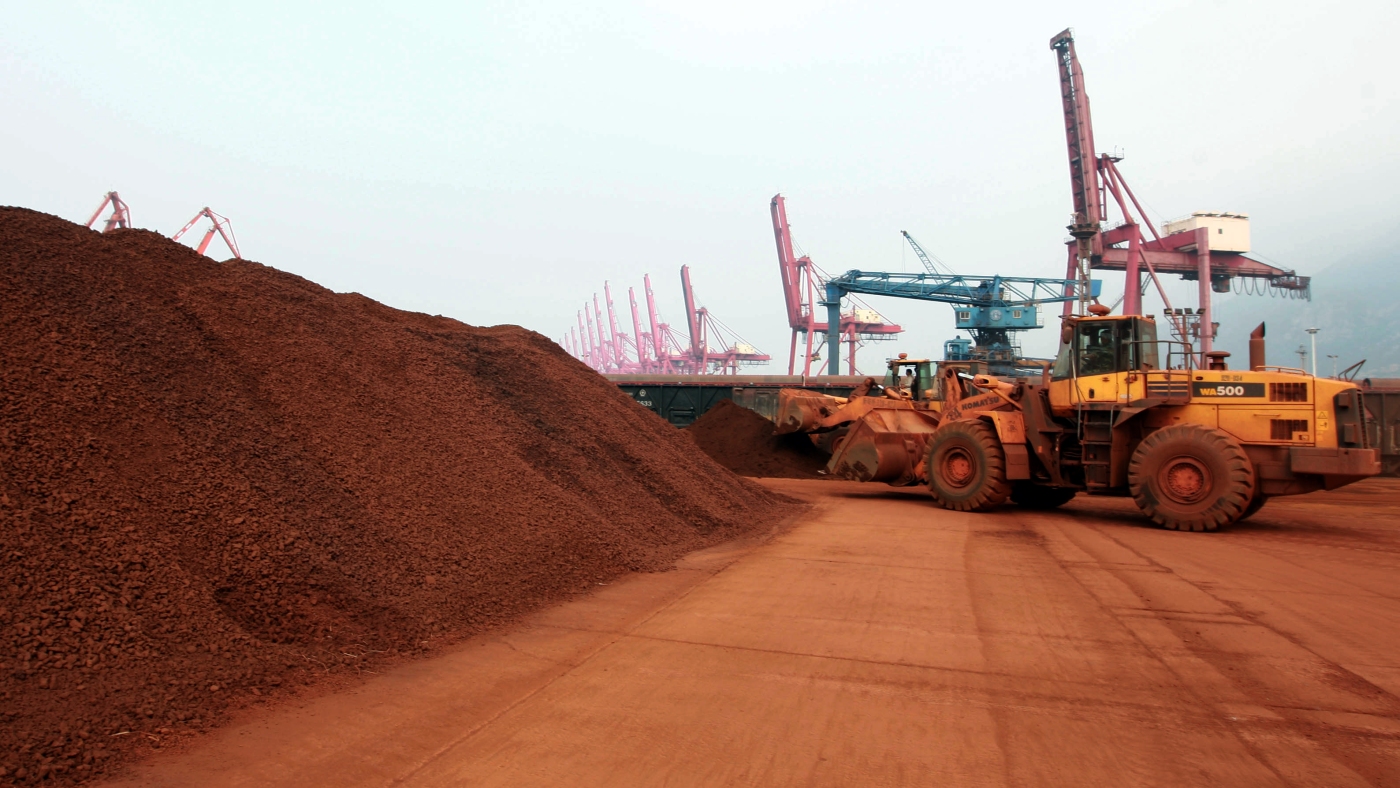
Rare-earth elements, with intriguing names like neodymium and dysprosium, are not as scarce as their name might suggest. However, the challenge lies in their extraction and refinement processes. These elements are crucial components in a wide range of modern technologies, from smartphones to electric vehicles and medical imaging devices, driving up demand significantly.
China currently dominates the global processing and refining market, handling nearly 90% of the output, a major bottleneck for other countries. The high demand for compact and powerful electric vehicle (EV) motors, which require rare-earth magnets, and the military’s reliance on these elements further intensifies the need for secure supply chains.
U.S. Strategies for Rare Earth Self-Sufficiency
The U.S. government has taken steps to reduce dependence on foreign sources by fostering domestic production. This involves significant federal investments, breaking away from traditional free-market approaches. Indiana-based ReElement Technologies has emerged as a key player, benefiting from government support. In collaboration with Vulcan Elements, ReElement is exploring innovative, eco-friendly processing techniques.
ReElement utilizes chromatography for a more sustainable method of processing and recycling rare-earth elements. The company plans to scale up its operations in Indiana, aiming to become a leading U.S. producer by 2026. CEO Mark Jensen asserts, “we’ll be the largest producer of rare earth oxides in the United States.”
A Historical Perspective: China’s Rise in Rare Earths
China’s dominance began in the 1980s, as the U.S. faced environmental challenges at its Mountain Pass mine in California. Due to environmental concerns, operations at Mountain Pass were frequently halted, allowing China to overtake the U.S. in production. Currently, China accounts for about 60% of the global supply, with substantial proven reserves.
As the U.S. grapples with processing challenges, MP Materials, a key player in the American market, has started refining its ore domestically, reducing dependency on Chinese facilities. Beijing’s recent export controls add further complexities, requiring foreign companies to secure licenses for products containing Chinese-sourced rare earths.
Global Strategies and Environmental Considerations
Experts agree that while the U.S. has sufficient reserves, it lacks the processing capabilities. Efforts to develop a sustainable and efficient extraction process are ongoing. Brent Elliott, a professor at the University of Texas, emphasizes the need for environmentally responsible mining practices, noting that China’s rapid production often overlooks ecological impacts.
New regulations in China aim to enforce stricter environmental standards for rare earth processing. However, the effectiveness of these measures remains uncertain. China’s strategic investments and policies have established it as a global hub for rare earths, a position the U.S. is eager to challenge.
Innovative Technologies and Federal Investments
ReElement’s innovative filtration process, developed at Purdue University, offers a more efficient and eco-friendly approach to rare earth processing. This method contrasts with traditional solvent extraction, which CEO Jensen describes as “ecologically challenging.” The U.S. is investing heavily in critical minerals, with substantial federal funding aimed at bolstering domestic capabilities.
Recent federal investments include a $400 million partnership with MP Materials and a $620 million loan for Vulcan Elements to expand operations. ReElement itself is set to receive $80 million to support its growth, reflecting a concerted effort to secure the U.S. supply chain and reduce dependency on China.
This article was originally written by www.npr.org