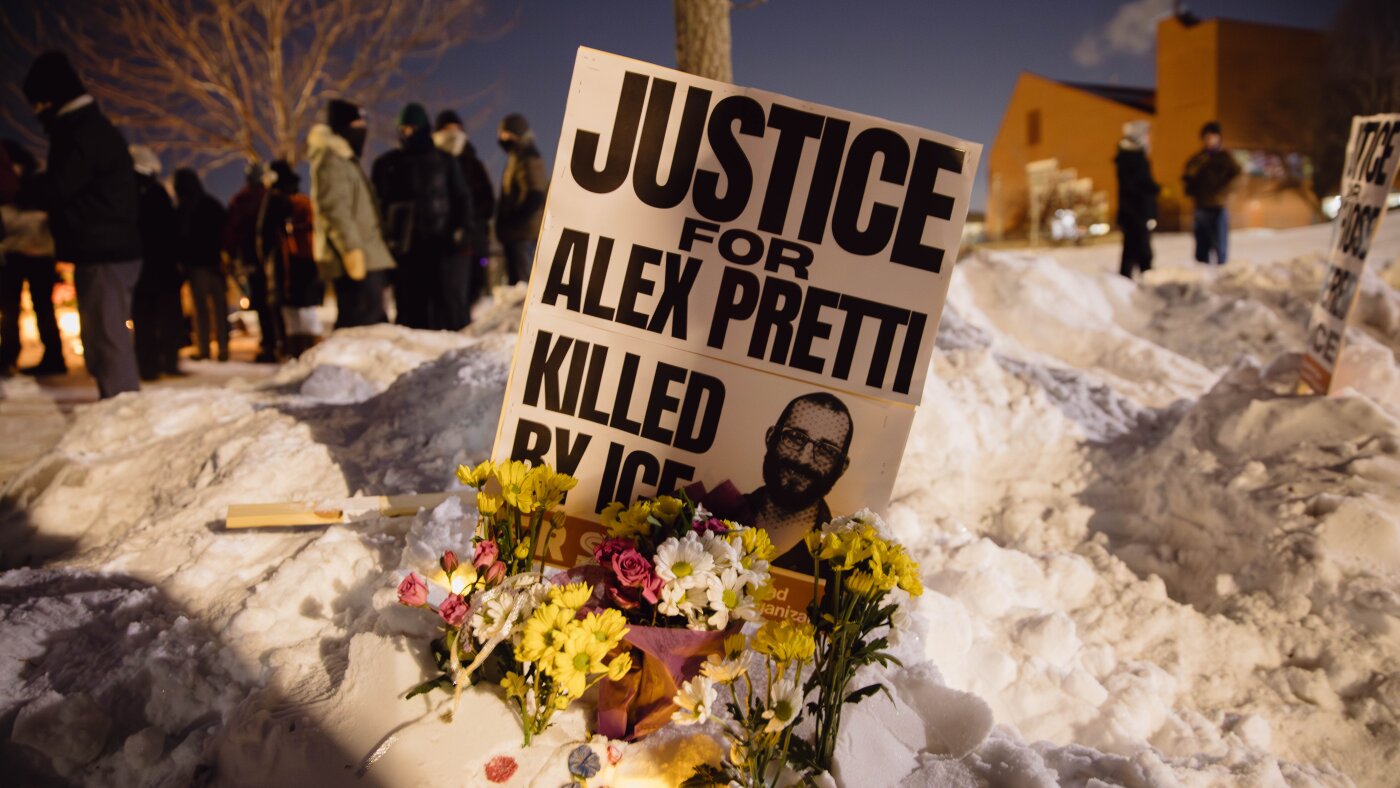
Intense Scrutiny Surrounds Fatal Shooting by U.S. Border Patrol in Minneapolis
As the controversy over the death of Alex Pretti unfolds, Minnesota officials are demanding transparency in the investigation of the 37-year-old nurse’s fatal shooting by a U.S. Border Patrol officer. A federal judge has issued a temporary restraining order to prevent any tampering with evidence related to the incident.
Despite securing a search warrant for public areas, federal investigators have restricted state access to the scene. The shooting marks the second fatal incident involving immigration agents in Minneapolis this month. Federal officials have labeled Pretti as a “domestic terrorist,” but eyewitness accounts and video footage have raised significant doubts about these claims.
Pretti, described as holding only a phone, was tackled by multiple officers before being shot in the back. A bystander noted in a court document that Pretti was not facing the agents when he was apprehended. “It didn’t look like he was trying to resist, just trying to help [a] woman up,” the witness reported.
Allegations of Misconduct and Calls for Justice
Despite claims by the Department of Homeland Security (DHS) that Pretti was armed, evidence of him brandishing a weapon remains unverified. Videos suggest an officer removed a gun from Pretti before the shooting. Pretti, a U.S. citizen with no criminal history, had a legal permit to carry a firearm.
Deputy U.S. Attorney General Todd Blanche defended the officers’ actions, describing the situation as a “split-second decision.” Gregory Bovino, overseeing the immigration operation, stated, “The victims are the Border Patrol agents. The suspect put himself in that situation.”
In contrast, Minnesota’s political leaders, including Gov. Tim Walz and Rep. Kelly Morrison, have expressed distrust in the federal investigation. Walz emphasized the need for justice and has initiated a log of evidence for potential prosecution.
Community Reactions and Protests
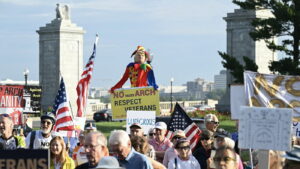
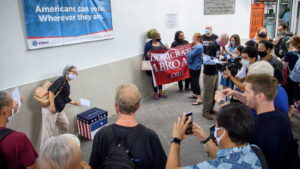
The shooting has intensified community unrest, with residents holding vigils and protests in Minneapolis. Tourmu Diggs, a local attendee, remarked, “It can be you! It can be anyone walking past this street right now, and that’s what’s so sickening and so powerful that people are out here.”
Minneapolis Mayor Jacob Frey condemned the federal presence in the city, likening it to an invasion. “The masked militarized force and unidentified agents patrolling our streets, that is what erodes trust,” he stated.
Political and Legal Repercussions
The Minnesota National Guard has been activated to support local law enforcement amidst ongoing demonstrations. In an unusual move, the Minnesota Department of Corrections has launched a website to challenge DHS’s claims regarding cooperation on immigration enforcement.
Legal experts and advocacy groups have called for a full investigation into the shooting. U.S. Sen. Bill Cassidy of Louisiana has urged for a joint federal and state inquiry, citing concerns over ICE and DHS’s credibility.
National Tensions and Federal Policy
The Trump administration’s crackdown on immigration has faced criticism for its aggressive tactics. Reports suggest federal agents have been detaining legal residents and U.S. citizens, fueling anger and protests. The administration defends its mission as a necessary enforcement of immigration laws.
Minneapolis continues to grapple with the implications of federal immigration operations, as residents like Linda Gotlieb voice concerns over the aggressive measures. “They’re trying to have the narrative be that the people are the aggressors,” she said. The situation remains tense, with calls for accountability and transparency growing louder.