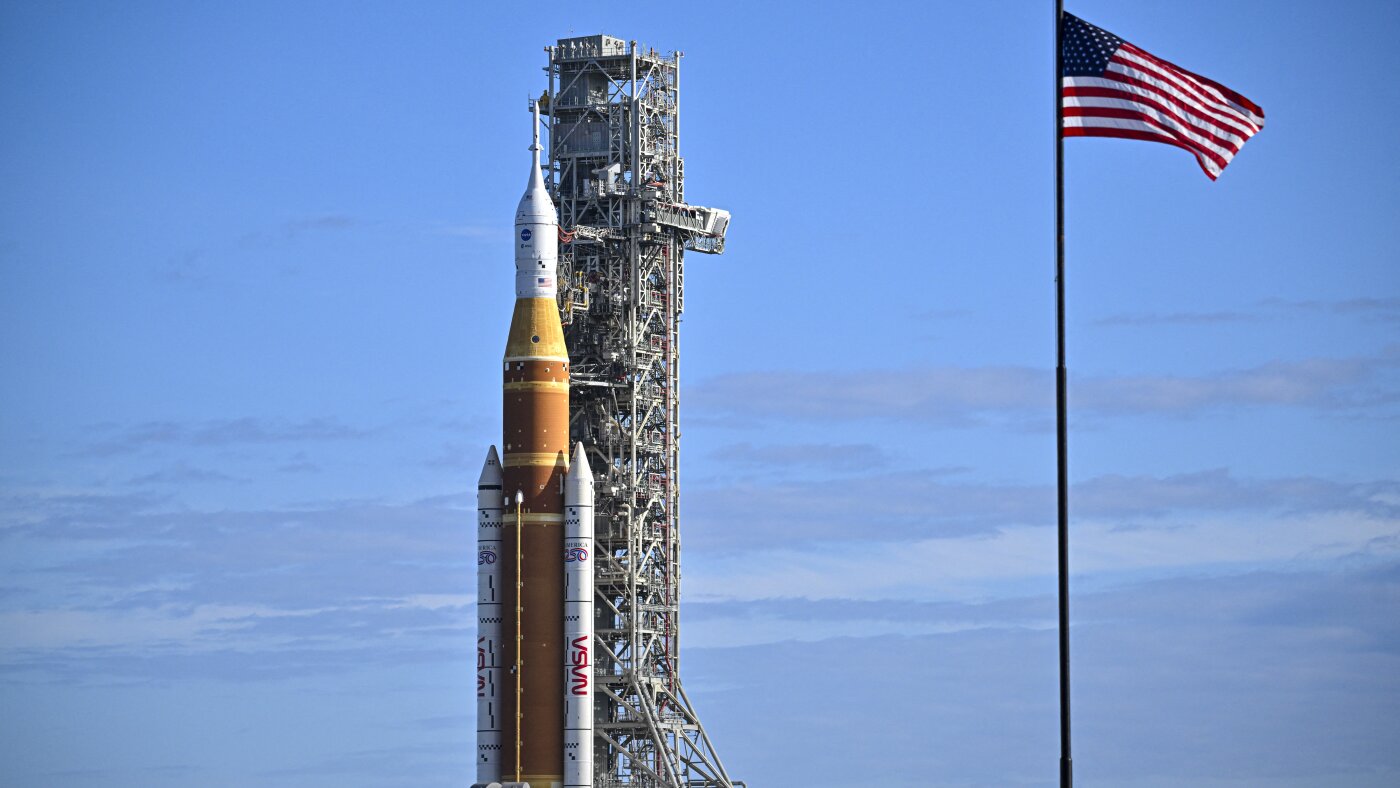
NASA Eyes March Launch for Historic Moon Mission
As anticipation builds, NASA is preparing to send astronauts on a groundbreaking mission around the moon. The Artemis II mission, a pivotal step in lunar exploration, is slated for a potential launch on March 6th.
The mission will feature a quartet of astronauts embarking on a 600,000-mile journey, marking humanity’s return to the lunar vicinity for the first time since 1972’s Apollo 17 mission. The spacecraft, poised on its launch pad at the Kennedy Space Center in Florida, recently underwent a successful test fueling of its towering 322-foot-tall rocket.
Lori Glaze, acting associate administrator of NASA’s exploration systems development mission directorate, emphasized the significance of the mission’s progress: “This is really getting real. It’s time to get serious and start getting excited.” However, she warned that additional work remains before the mission can proceed.
Ahead of the proposed launch, NASA officials are poised to undertake a comprehensive flight readiness review. This multi-day assessment will scrutinize every facet of the mission to ensure all systems are prepared for launch. “We need to successfully navigate all of those,” Glaze noted, adding that the review will be both “extensive and detailed.”
The Artemis II crew comprises NASA astronauts Reid Wiseman, Victor Glover, Christina Koch, and Canadian Space Agency astronaut Jeremy Hansen. As they gear up for the mission, the astronauts have commenced a two-week quarantine to minimize exposure to illnesses.
Earlier in the month, NASA encountered challenges during the rocket’s initial fueling tests, such as a liquid hydrogen leak. These issues appear resolved following seal replacements and additional work. Despite minor glitches, including a temporary loss of communication at the Launch Control Center, recent countdown rehearsals were deemed successful.
Reflecting on the astronauts’ enthusiasm, Glaze shared, “They’re all very, very excited. They are really getting a lot of anticipation for a potential launch in March.”
For more information, visit the official NASA Artemis II mission page and learn about the historical context of lunar exploration by reading about the final Apollo lunar mission.
This article was originally written by www.npr.org