New Nuclear Reactor Rules Aim to Boost Innovation but Raise Safety Concerns
The Department of Energy has unveiled a new set of regulations that significantly reduce environmental and security requirements for experimental nuclear reactors. This move, made public a month after an NPR report, is part of an initiative to rapidly advance the development of new nuclear reactor designs.
These changes were prompted by an executive order from former President Trump, which demanded that at least three experimental reactors become operational by July 4, creating a tight timeline for nuclear industry advancements. Consequently, the Department of Energy established a Reactor Pilot Program to facilitate this development.
Traditionally, the Nuclear Regulatory Commission oversees commercial nuclear reactors through a public regulatory process. However, the Energy Department’s new rules pertain to a broader array of experimental reactors, allowing for their construction beyond government labs and involving a larger set of commercial designs.
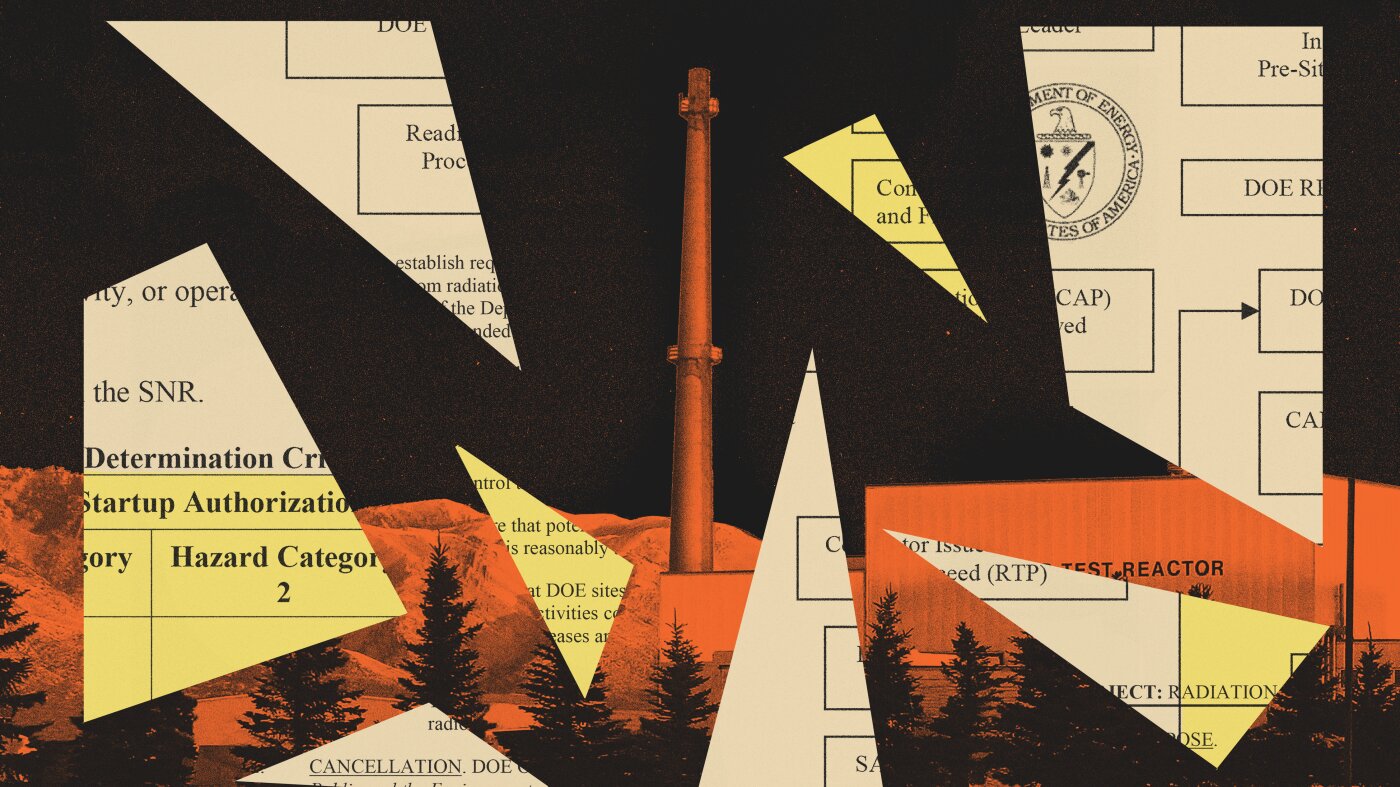
In an effort to meet the ambitious deadline, the Energy Department revised its internal regulations, sharing them with ten companies in the pilot program. These changes, kept under wraps until NPR’s investigation, are now accessible online at the Idaho National Laboratory, where the program is being managed.
“DOE has recently completed the process of making these Nuclear Energy Orders and Standards publicly available to ensure broad public access,” the department stated in a letter to NPR.
The new rules, referred to as orders, address critical aspects of reactor operations, including safety, environmental safeguards, and site security. NPR’s review highlighted significant revisions that potentially weaken safety and environmental protections. The alterations involved the removal of numerous requirements for security training and environmental safeguards, with the new orders reducing the original 750 pages by about two-thirds.
While the Department of Energy defends the changes, stating they will foster industry innovation without compromising safety, experts like Edwin Lyman from the Union of Concerned Scientists express concern. Lyman emphasizes the public’s right to understand the directives and warns that the rush to meet deadlines could compromise safety.
Since the disclosure of these rules, companies involved in the program have accelerated their projects. For example, Antares Nuclear and Radiant Industries have both completed crucial safety analyses, aiming to initiate their reactors by summer. A third company, Aalo, has also achieved significant progress, planning to complete construction shortly.
In a related development, Valar Atomics transported a reactor prototype via military aircraft to Utah, as part of the Pentagon’s Project Janus, which aims to deploy small reactors on military bases.
Despite the potential for innovation, the rapid pace and reduced regulatory oversight have sparked debate. Lyman continues to voice his apprehension about the reduced safeguards, while Energy Secretary Chris Wright remains optimistic, stating, “Before July fourth of this year, we will have multiple nuclear reactors critical. That’s speed. That’s innovation. That’s the start of a nuclear renaissance.”