The Controversial Rise of Ivermectin: From Farmyards to Medicine Cabinets
In the rolling countryside near Jackson, Mississippi, MaryJo Perry handles ivermectin with the ease of a seasoned farmer. Used for decades on her cattle, she considers it as indispensable as vitamins. “We’ve been using it on the farm for 40 years,” she notes. This familiarity extends to its use on stray dogs she rescues, where she observes no adverse effects.
Beyond the farm, ivermectin is a recognized treatment for a range of parasitic infections in humans, from roundworms to lice, and even has applications in tackling certain tropical diseases. Additionally, there are suggestions of its potential benefits against malaria.
Identified in the 1970s, ivermectin gained acclaim as a “wonder drug” for its success in diminishing cases of river blindness globally. During the COVID-19 pandemic, initial hopes were pinned on its potential as a treatment. However, subsequent research debunked its effectiveness, although misinformation continued to fuel its popularity.
Perry, who organized a political event on medical freedom, remains unconvinced by studies that dismiss ivermectin’s efficacy against COVID-19. “I believe that it prevents COVID; I know that firsthand,” she asserts, crediting it for her family’s health.
The drug’s appeal has seen a resurgence, particularly within conservative circles, where it is touted as a cure-all, including for cancer, despite lacking scientific validation. Legislative actions in states like Tennessee and Texas to make it available over-the-counter have raised alarms among healthcare professionals worried about potential misuse.
Ivermectin Prescriptions on the Rise Again
During the pandemic’s peak, ivermectin prescriptions skyrocketed, especially in the Southern U.S. Dr. John Mafi of UCLA, an expert in geriatrics, observed this trend and noted its decline after 2023, only to see it rebound in 2024 and 2025. He attributes this to renewed misinformation and a growing mistrust of official health advisories.
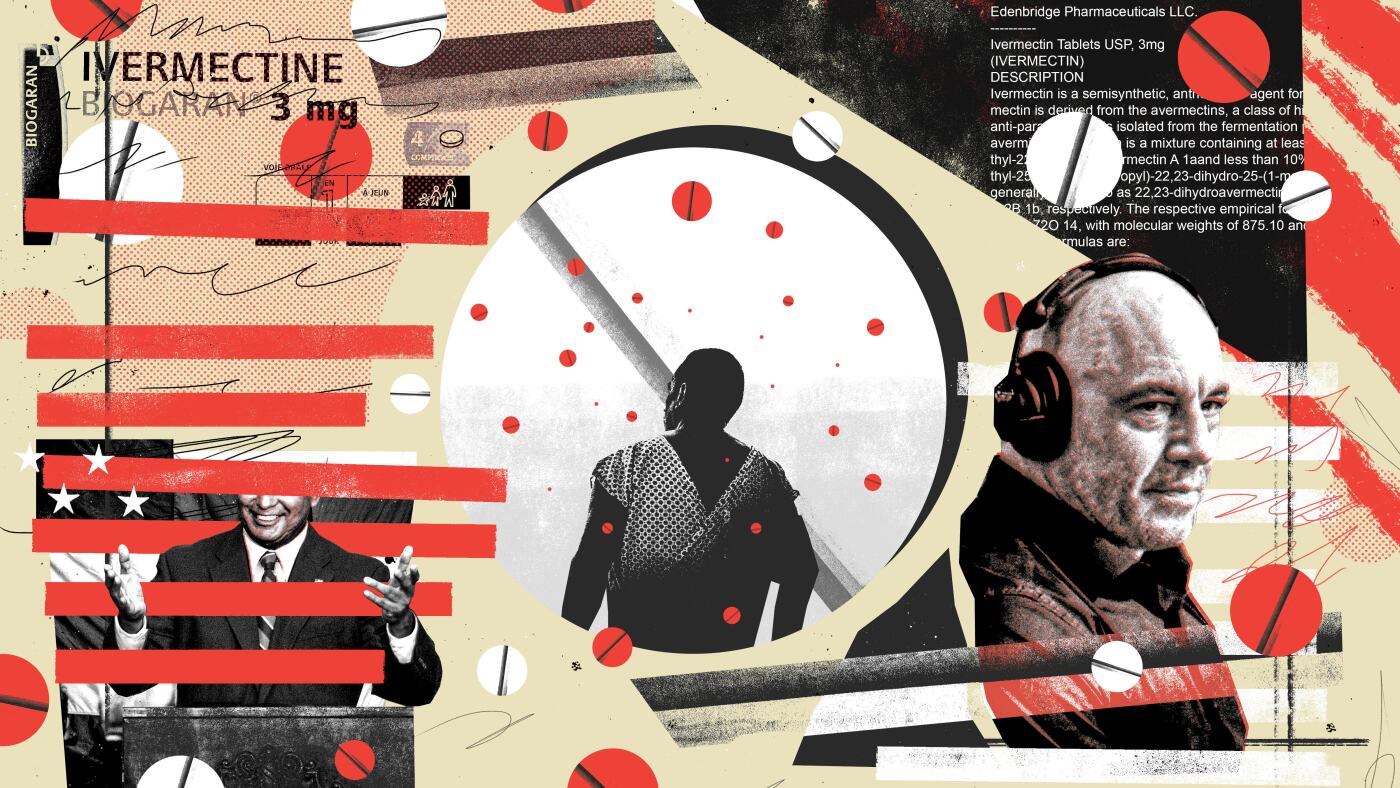
“It became really a symbol of this sort of alternative right-wing movement to defy what the government institutions are telling you and to trust your own intuition,” Mafi explains. He warns of the drug’s potential side effects, such as dizziness and nausea, and more severe risks at high doses, as highlighted by the FDA.
A Dubious Cancer Treatment
In a surprising turn, the National Cancer Institute, under the leadership of Anthony Letai, is conducting preclinical studies on ivermectin’s potential against cancer, although medical experts remain skeptical. Casey DeSantis, Florida’s First Lady, has even included it in a $60 million cancer research initiative.
Despite its popularity, there’s no solid evidence supporting ivermectin’s effectiveness in treating cancer in humans. Oncologist Jonathan Mizrahi reports an increase in patients asking about ivermectin for cancer, spurred by false claims on social media. He cautions against substituting tested treatments for unproven ones like ivermectin.
Mizrahi describes the heartbreak of seeing patients opt for ivermectin over proven therapies, only to return with advanced disease. “Those are the most heartbreaking because those are patients that we really have stuff that can help, that’s tried and true,” he laments.
The Politics of Ivermectin
The ivermectin debate is not just medical but deeply political. Carlos Chaccour of the University of Navarra recalls the early pandemic days when ivermectin was hastily embraced, fueled by false data from Surgisphere, a company later discredited. The drug’s rapid adoption in several Latin American countries was based on hopes rather than rigorous trials.
In the U.S., conservative media amplified ivermectin’s profile, despite its debunked efficacy claims. The FDA’s attempt to curb misuse with a controversial tweet only deepened political divides.
Chaccour hopes for a future where mutual health goals can bridge political divides, preserving ivermectin’s true potential as a “global health miracle” free from the shadow of misuse.