Pro-Palestinian Activist Faces Legal Battle Against U.S. Deportation Policies
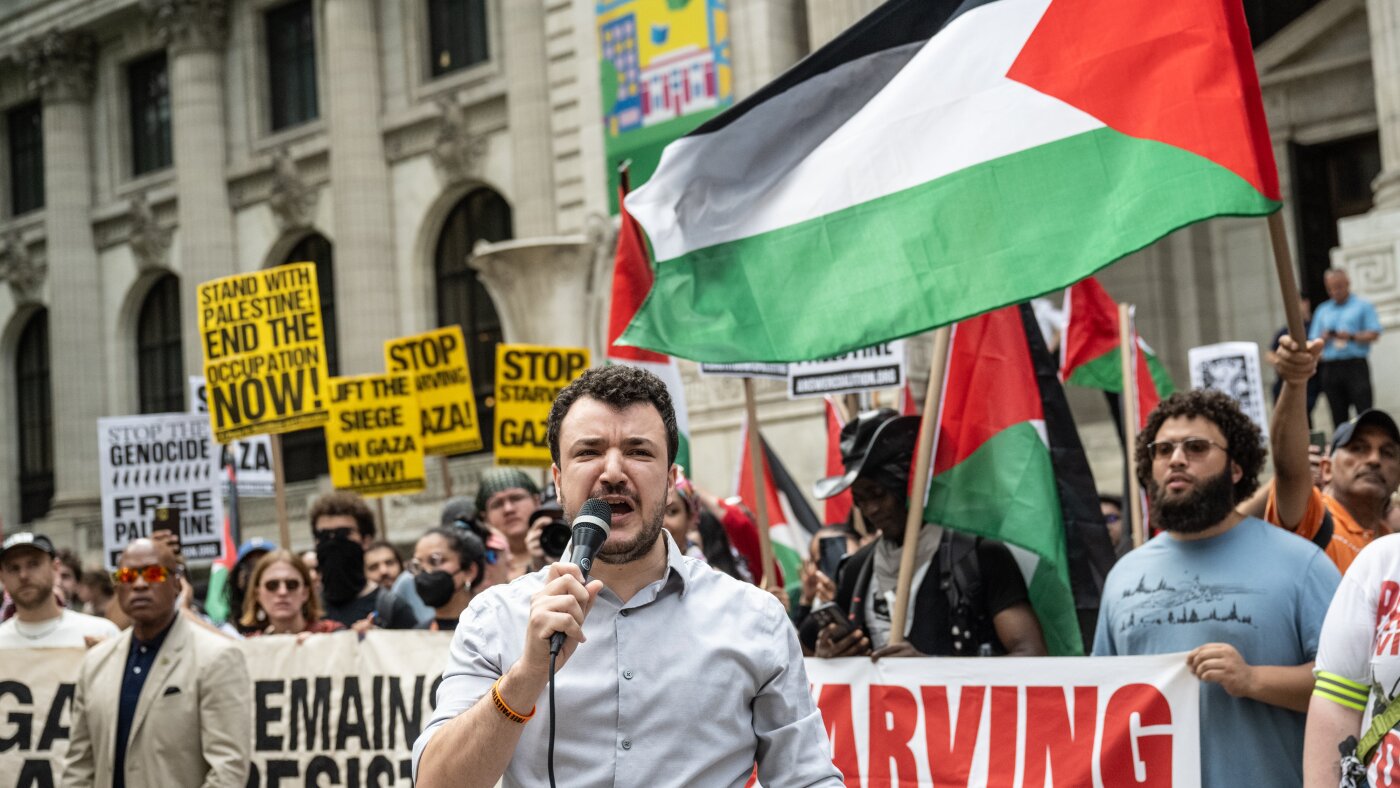
Mahmoud Khalil, once a Columbia University graduate student, is embroiled in a significant legal contest against the Trump administration’s deportation measures. Known for his involvement in pro-Palestinian protests in 2024, Khalil’s case highlights critical issues of immigrant rights and free speech in the United States.
During a lengthy detention lasting over 100 days, Khalil missed the birth of his son while awaiting his fate in immigration custody. His arrest in March of the previous year outside his New York residence marked an intensified effort to deport noncitizens voicing opinions on the Gaza conflict.
“One year after, the government has not charged me with any crimes or presented any evidence that I committed wrongdoings whatsoever,” Khalil shared with NPR. “I was absolutely targeted for what I represent, which is a student movement that erupted against the U.S. support for Israel.”
New York Mayor Zohran Mamdani has urged the federal government to reconsider Khalil’s deportation case. Meanwhile, neither the Department of Homeland Security nor the White House has commented on Khalil’s situation.
Khalil’s Legal Journey
Living as a legal permanent resident has become more challenging for Khalil, who now takes precautions to avoid drawing attention. His legal defense has transformed into a full-time endeavor, with over 20 lawyers supporting his case through federal and immigration courts.
The administration initially used a seldom-invoked statute, labeling Khalil a potential threat to U.S. foreign policy. Khalil’s attorneys, including Amy Greer, question the legality of this approach, citing a lack of procedural adherence.
A New Jersey federal judge sided with Khalil, criticizing the administration’s actions as likely unconstitutional due to penalizing Khalil’s political speech. However, the government has since adjusted its strategy, accusing Khalil of lying about past employment on his green card application.
Implications for Free Speech
The legal proceedings surrounding Khalil’s case could set a significant precedent. “The First Amendment is not a dial. It’s either on or it’s off,” said Eric Lee, an immigration attorney. “The rights of any immigrants to speak are being restricted because the First Amendment applies to all the people in this country.”
Similar cases, such as those of Mohsen Mahdawi and Rümeysa Öztürk, have seen varied outcomes, with some activists winning their legal battles while others, like Khalil, remain in uncertainty.
Khalil’s determination to pursue his case reflects a broader fight for immigrant rights and free speech. “This case is not just about me; it’s about whether the government can detain a lawful resident for political speech,” Khalil stated. “I fight because no one should go through all of this, just for speaking out, and speaking up against injustices.”
This article was originally written by www.npr.org