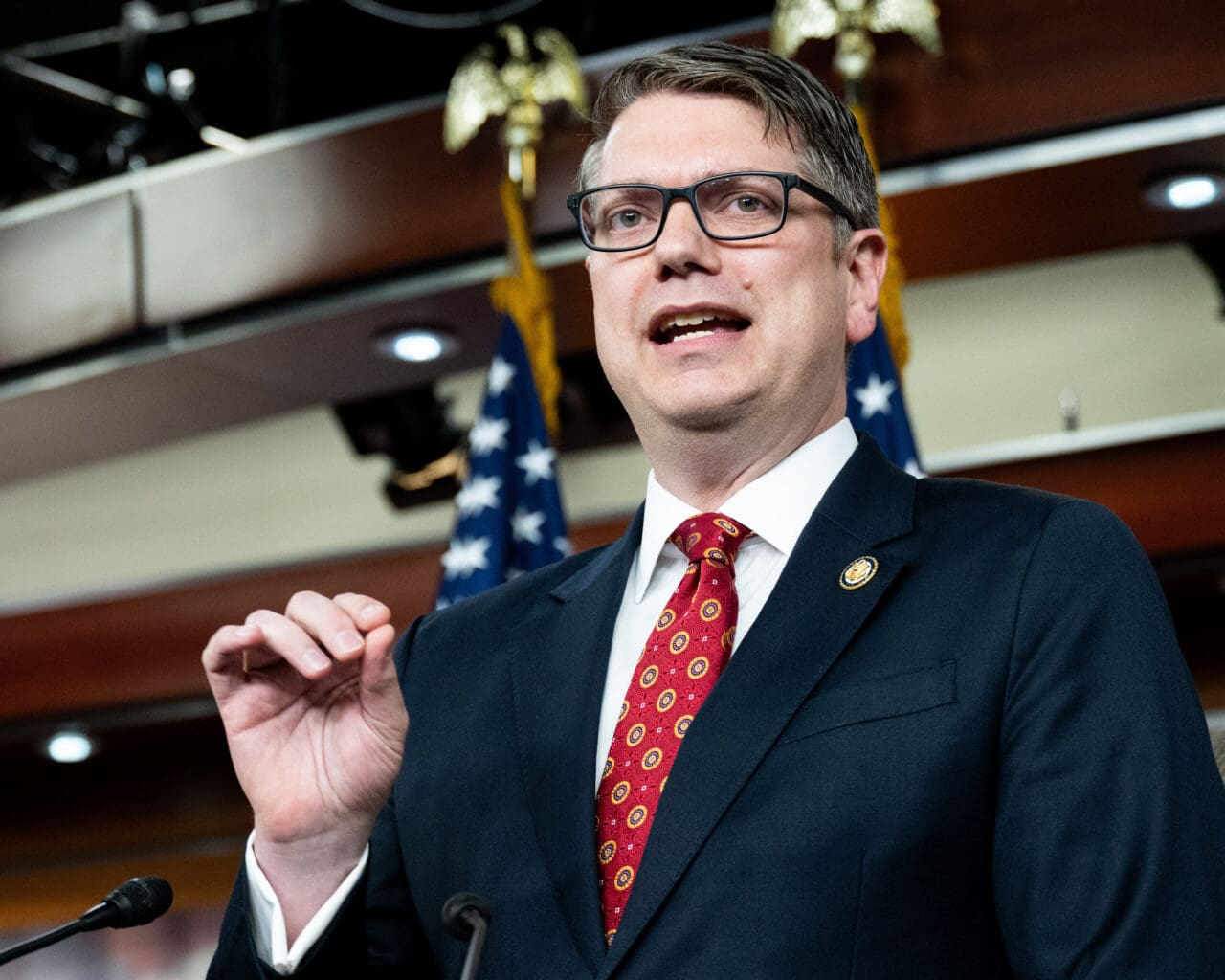
Alaska’s Health Insurance Debate: Rep. Nick Begich’s Stance Under Scrutiny
As Alaska Representative Nick Begich seeks re-election, his approach to health insurance costs is increasingly under the microscope. Despite his campaign promises to reduce these expenses, Begich’s legislative actions have consistently aimed at limiting affordable healthcare options.
Health care expenses are poised to be a pivotal issue in Alaska’s upcoming elections. The state faces one of the highest health insurance premiums nationwide, with the average plan costing $1,032 monthly. This is attributed to Alaska’s sparse population and vast terrain, which complicate the formation of insurance pools and staffing of medical facilities.
While Begich criticizes other lawmakers for their inaction, he has advocated for significant cuts to both Medicaid and the Affordable Care Act, which are crucial for over 35% of Alaskans. On his campaign website, he argues, “Reforms are needed to drive down the cost of health care. Political rhetoric isn’t going to do it. It’s going to require commitment, tenacity, and hard work.”
The Medicaid reductions stem from the One Big Beautiful Bill Act (OBBB), enacted last year with exclusive Republican support. This legislation aims to slash $1 trillion from Medicaid by 2034, redirecting the savings toward tax benefits for the wealthy. Consequently, about 36,000 Alaskans are projected to lose their insurance coverage.
The funding cuts threaten the viability of several Alaskan hospitals reliant on Medicaid reimbursements. Fourteen hospitals are set to lose $63 million in funding, raising concerns over potential closures. Joe Wanner, CEO of Bartlett Regional Hospital in Juneau, shared with KTOO that his hospital anticipates losing $3 million to $4 million annually from Medicaid, though he remains uncertain about the long-term impact: “With everything in health care, all you have to do is try to be in this position where you’re able to survive,” he stated.
In a May 2025 press release, Begich celebrated the OBBB, claiming it would “unlock opportunities” and “generate revenue.”
More recently, Begich opposed a bipartisan initiative to prolong Obamacare tax credits, which have kept premiums manageable for 22 million Americans, including over 25,000 Alaskans. The expiration of these credits has led to premium spikes of up to 346%, averaging an increase of $909 annually. The Congressional Budget Office (CBO) estimates that 2 to 5 million Americans may forego insurance due to the higher costs (source).
Mark Robokoff, an Alaskan small business owner, expressed his frustration to the Anchorage Daily News after his premiums surged by 300%. “I need my government, specifically my congressional delegation, to speak for me,” Robokoff said. “I feel absolutely abandoned.”
The Democratic challenger facing Begich will be determined in the upcoming August 18 primary.
—
Read More Kitchen Table News