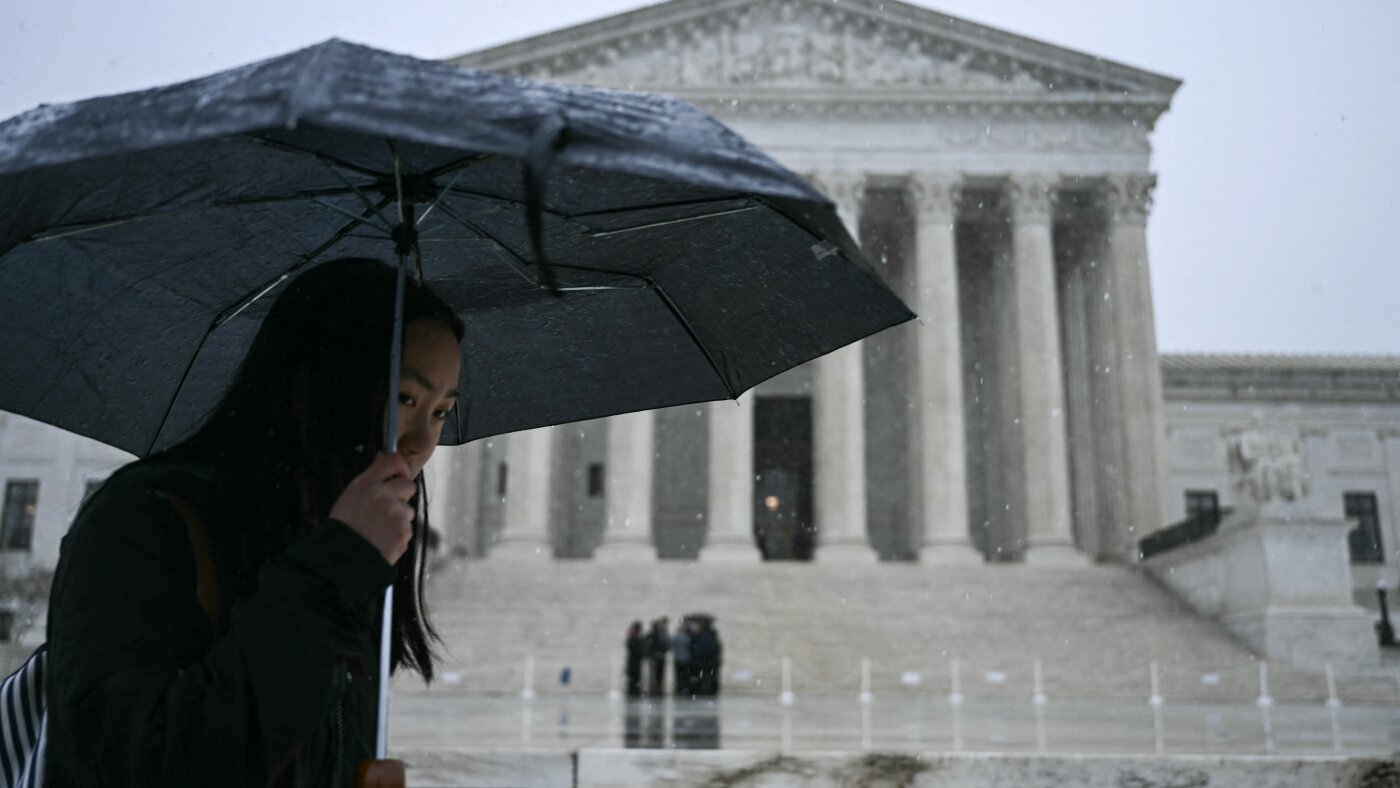
Unpredictable Weather Patterns Cause Disruptions Across the U.S.
Unsettled weather conditions have taken a toll on various parts of the United States, from the snowy Midwest to the storm-battered Eastern coast. A mix of severe snowstorms, powerful winds, and even flooding in Hawaii has caused significant disruptions, impacting transportation and daily life.
On Sunday, vast portions of the U.S. experienced a tumultuous blend of weather phenomena. In the Upper Midwest, heavy snowstorms rendered roads unusable, while high winds battered the Plains. Even the typically temperate Hawaiian Islands faced severe flooding.
Forecasters have warned that late-day thunderstorms will move eastward, threatening the Eastern U.S. by Monday. Areas such as Washington, D.C., and other mid-Atlantic states are particularly at risk for powerful winds and possible tornadoes.
Severe Weather’s Impact on Transportation
According to Tyler Roys, a senior meteorologist at AccuWeather, these successive weather events are expected to affect the eastern half of the country. “Whether it’s wind gusts from a squall line, blizzard or snow, or just wind because of the storm, you’re looking at several major airports being impacted,” Roys noted.
Snowfall in Minnesota and Wisconsin exceeded a foot (30.5 centimeters) in some areas by Sunday morning, with more expected in Minneapolis under blizzard warnings. Hazardous road conditions were prevalent across Minnesota, Michigan, and Wisconsin, with officials cautioning against travel due to low visibility.
Wisconsin’s Department of Transportation emphasized safety on social media, stating, “Roads are becoming impassable in many of Wisconsin’s northern counties. Please stay off the roads to keep yourself and others safe.”
Air Travel Disruptions
The adverse weather severely affected air travel, leading to the cancellation of hundreds of flights. Minneapolis-Saint Paul International Airport saw over 600 cancellations on Sunday, with additional disruptions reported in Detroit.
Central Wisconsin and Michigan’s Upper Peninsula could see snow totals exceeding 2 feet (61 centimeters), with isolated higher amounts expected. Roys warned that even lower snow accumulations in cities like Chicago and Milwaukee could pose challenges for commuters.
Power Outages and Wildfire Concerns
Power outages were minimal over the weekend, but around 150,000 customers in Ohio, Pennsylvania, and Michigan remained without electricity after Friday’s high winds. In Nebraska, the state’s Emergency Management Agency reported that about 30 National Guard members were deployed to combat multiple wildfires. Three significant wildfires have already destroyed over 900 square miles (2,331 square kilometers) of land.
In a news release, Nebraska Governor Jim Pillen urged residents to follow evacuation orders, citing extraordinary wind forecasts. The National Weather Service issued a high-wind warning for Nebraska, with gusts up to 60 mph (97 kph) expected during snowfall.
Eastern U.S. Braces for Storms
As the Eastern U.S. prepares for possible severe weather, the National Weather Service warned of a severe storm line with damaging winds, stretching from the Mississippi Valley to the East Coast by late Monday. The service predicted “severe thunderstorms with widespread damaging winds and several tornadoes” for the Appalachians and beyond.
Areas from South Carolina to Maryland, including Raleigh, North Carolina, and Richmond, Virginia, are most likely to experience severe weather Monday afternoon. The risk, though lower, extends north to New York and south to northern Florida.
Hawaii’s Flooding Issues
Hawaii has also been grappling with heavy rainfall, leading to flooding on Maui, Molokai, and the Big Island. The Hawaii Emergency Management Agency reported rain falling at rates of 1 to 2 inches (2.5 to 5.1 centimeters) per hour overnight, resulting in flooded farms, closed roads, and opened shelters. As of early Sunday, around 48,000 electric customers were without power, according to PowerOutage.us.
The varied and extreme weather conditions highlight the unpredictable nature of this year’s weather patterns, leaving many areas of the country to brace for further disruptions.
This article was originally written by www.npr.org