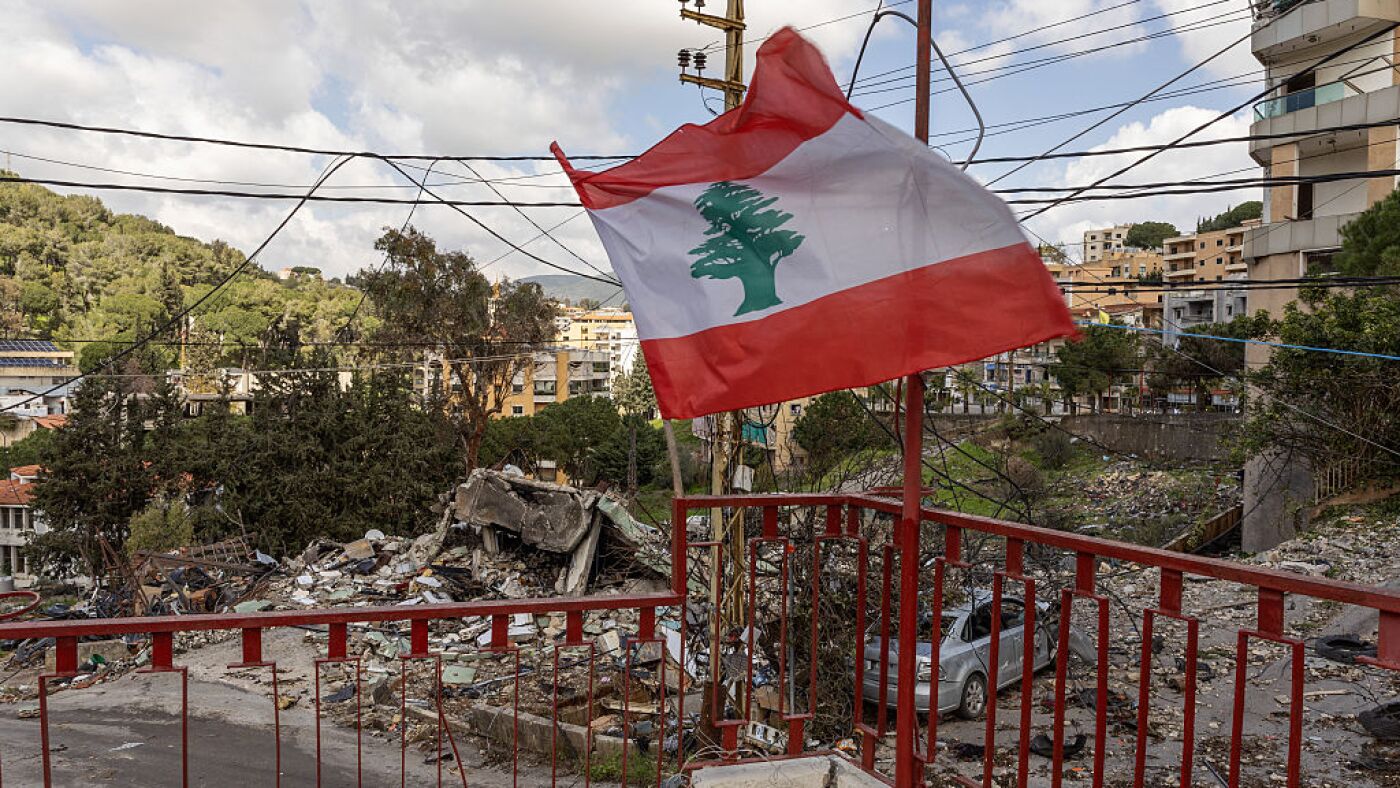
The escalating conflict in the Middle East has led to significant military deployments and diplomatic maneuvers as the situation approaches a critical juncture. Amidst ongoing hostilities, the Trump administration is balancing military action with diplomatic initiatives to address the crisis.
U.S. Military Deployment
The United States is set to deploy between 2,000 and 3,000 paratroopers from the 82nd Airborne Division to the Middle East, adding to the 50,000 troops already stationed in the region. These forces are part of the Immediate Response Force, capable of mobilizing globally within 18 hours. This deployment coincides with the movement of two Marine Expeditionary Units toward the Persian Gulf, potentially increasing U.S. troop presence near Iran to between 6,000 and 8,000 soldiers.
Ceasefire Proposal
In a parallel effort, the Trump administration has drafted a 15-point ceasefire proposal aimed at resolving the conflict with Iran. The proposal, initially reported by the New York Times and Israel’s Channel 12, calls for Iran to cease pursuing nuclear weapons and dismantle any nuclear capabilities. Although changes to the proposal have been made, details remain undisclosed. Pakistan has confirmed that Iran received the proposal, and Prime Minister Shehbaz Sharif has expressed readiness to mediate between Iran and the U.S.
Iran’s Response
Despite the diplomatic overtures, Iranian officials have publicly denied any negotiations with the United States. In a televised statement, Iranian military spokesperson Lt. Col. Ebrahim Zolfaghari dismissed claims of talks, criticizing U.S. strategies as ineffective and stating, “Our first and last word has been the same from day one, and it will stay that way: Someone like us will never come to terms with someone like you.”
Strait of Hormuz Tensions
The strategic Strait of Hormuz remains a focal point in the conflict. Iran has announced it will permit the passage of “non-hostile” ships, excluding those from the U.S., Israel, and other adversaries. This announcement followed Iran’s blockade of the strait, impacting the global supply of oil and natural gas. The closure, in retaliation to U.S. and Israeli airstrikes, has heightened global energy security concerns, with oil prices surging as a result. Meanwhile, Iran has allowed ships from neutral countries like Pakistan and India to traverse the strait, as negotiations with China and Iraq continue.
As the situation evolves, the international community remains watchful, balancing military readiness with efforts to find a diplomatic resolution.
This article was originally written by www.npr.org