IOC’s New Policy on Transgender Athletes Sparks Debate
The International Olympic Committee (IOC) has unveiled a controversial new rule that will ban transgender athletes from participating in women’s events, a decision set to be implemented at the 2028 Summer Games in Los Angeles. This policy follows extensive analysis and draws attention to issues of fairness and equality in sports.
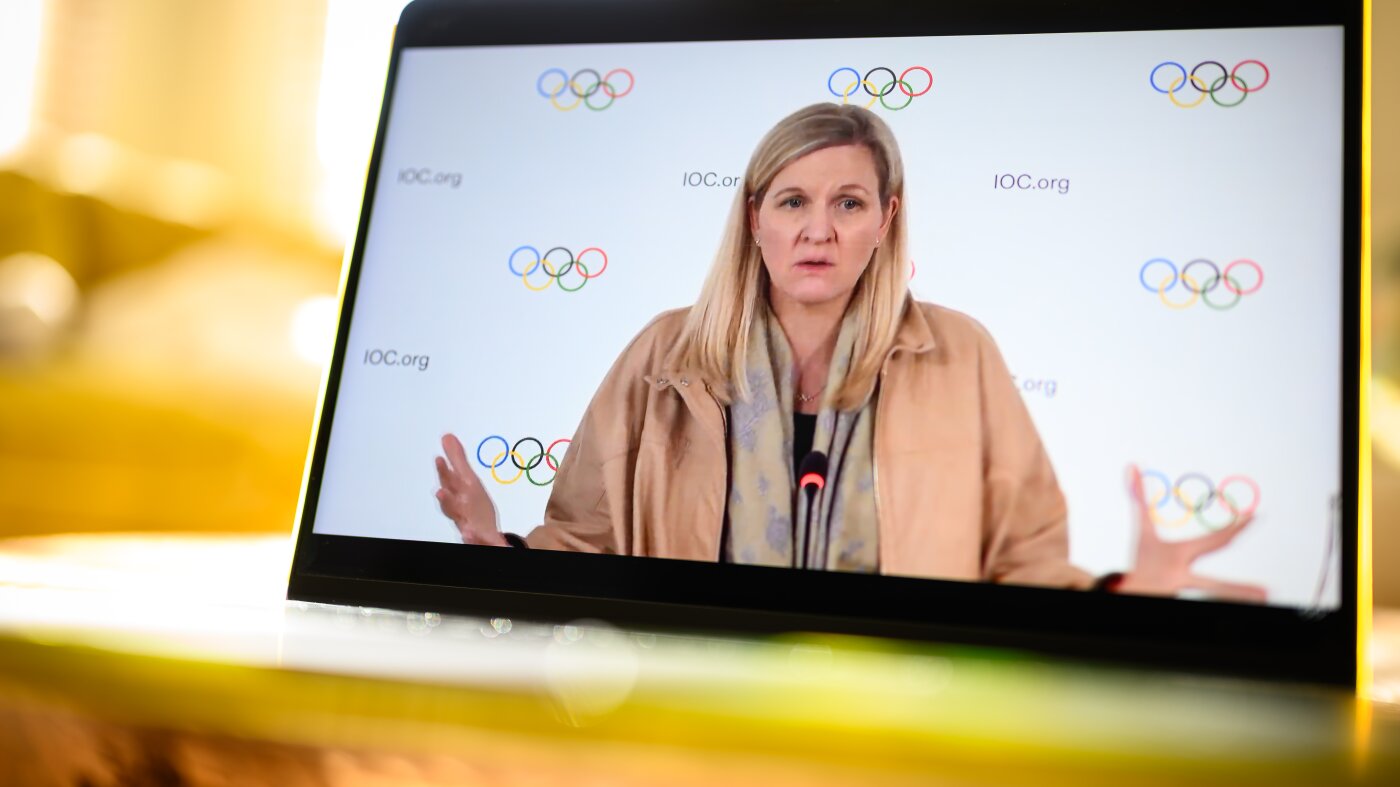
The IOC’s announcement on Thursday, which includes mandatory genetic screening, aims to ensure fair competition. “At the Olympic Games, even the smallest margins can be the difference between victory and defeat,” IOC President Kirsty Coventry stated in a video message. “So, it is absolutely clear that it would not be fair for biological males to compete in the female category.”
The conversation surrounding transgender athletes in sports has gained momentum over recent years, particularly with the historic participation of weightlifter Laurel Hubbard at the 2021 Tokyo Olympics. Although no other transgender women have competed since then, the topic remains a cultural and political flashpoint.
During the 2024 Paris Olympics, controversy erupted when two female boxers faced scrutiny over their eligibility. The IOC’s new policy is said to be based on scientific research and aims to protect “fairness, safety and integrity in the female category.” However, experts have raised concerns about the genetic testing’s accuracy and privacy implications.
Concerns Over Genetic Testing
The IOC plans to use SRY gene screening to determine female category eligibility. This one-time test, involving a cheek swab or blood sample, identifies the presence of the SRY gene, linked to male sexual development. However, many experts, including sports historian Jaime Schultz, question the test’s reliability and its potential to deter women from participating in sports altogether.
Andrew Sinclair, who discovered the SRY gene, has criticized its use for determining biological sex. In an op-ed, Sinclair emphasized that the gene’s presence does not provide a full picture of an individual’s biological development.
The IOC has acknowledged that “rare exceptions” may be made for athletes with certain disorders, but the process for obtaining such exceptions remains unclear. Erika Lorshbough from interACT voices concerns about privacy and the potential for invasive testing.
Transgender Sports Participation and Politics
With the U.S. set to host the next Olympics, the debate over transgender participation in sports continues to intensify. President Trump, who previously issued an executive order to ban transgender women from women’s sports, has praised the IOC’s decision. However, Coventry insists that the policy is free from political pressure.
Despite the controversy, Coventry, elected as the first female IOC president in 2025, remains committed to her campaign pledge to protect female athletes and promote equal opportunities. She acknowledges that the policy could be challenged in the future, as the debate over fairness and inclusion in sports continues.
This article was originally written by www.npr.org