Seth Bodnar Enters Montana Senate Race as an Independent Amid Political Shifts
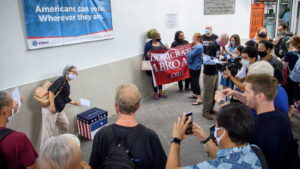
In Butte, Montana, the Saint Patrick’s Day Parade is more than just a festive event; it’s a political tradition. This year, the parade was overshadowed by significant political developments, including the sudden retirement of half of Montana’s congressional delegation. This shift has opened the door for new political contenders, including Seth Bodnar, who is running for the U.S. Senate as an independent candidate.

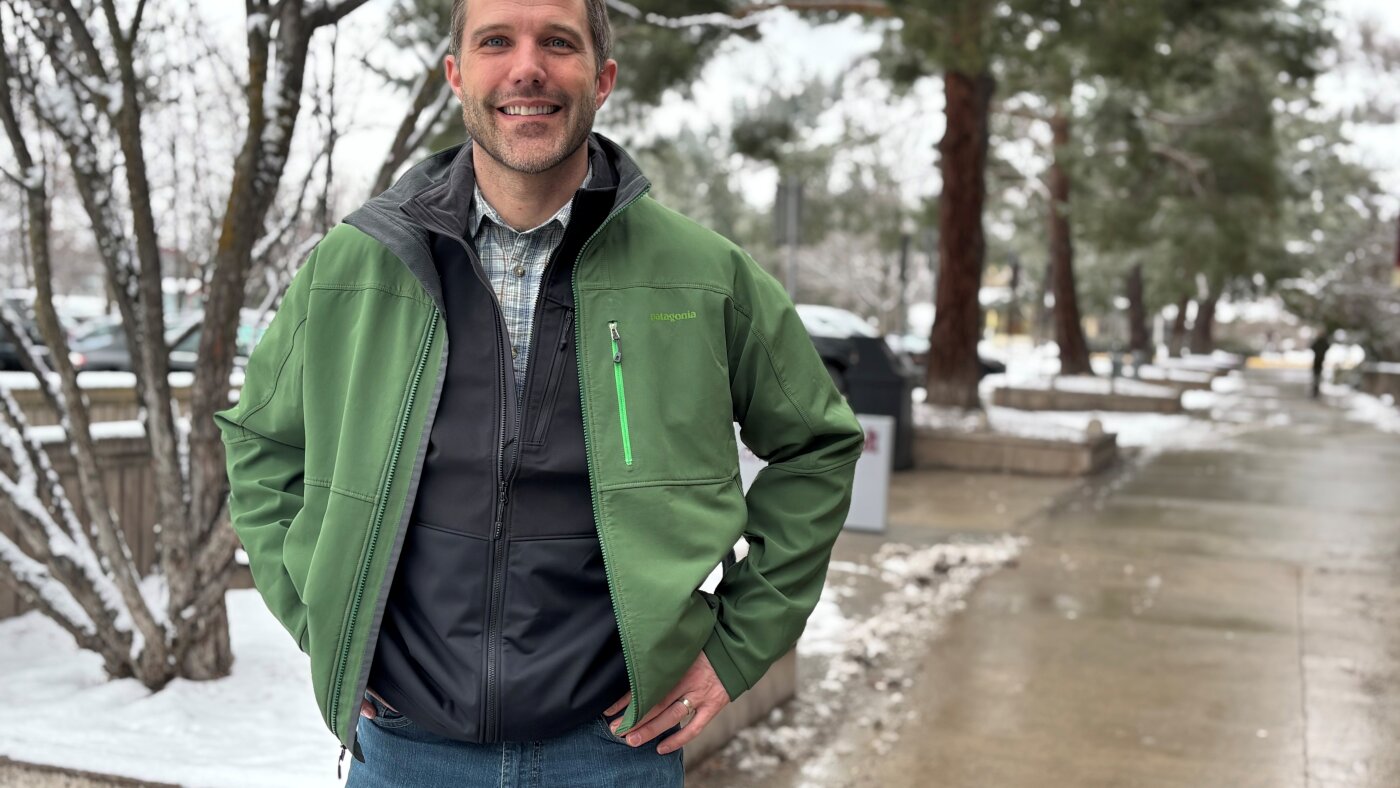
Seth Bodnar, the former president of the University of Montana, is now running for Senate as an independent Kirk Siegler/NPR
Butte’s political landscape is deeply rooted in Democratic traditions, largely due to its history as a mining hub. Larry Carden, a parade regular, expressed a sentiment common among locals: “You’ll see a lot more boos for the Republicans than you will the Democrats, I can guarantee you that,” reflecting on Butte’s historical labor movement and Democratic leanings.
However, the political scene is evolving. Montana’s shift from a purple to a red state has been disrupted by recent retirements, including that of Senator Steve Daines, who withdrew from the race just minutes before the deadline. This decision has fueled discussions about party politics and voter sentiments.
New Candidate opts to go independent
Seth Bodnar, a former Green Beret and recent president of the University of Montana, is capitalizing on this political upheaval. He is positioning himself as a bipartisan alternative, stating, “I’m an independent. When I raised my right hand at the age of 18 and I swore an oath to this Constitution when I joined the military, not to a political party.”
Bodnar’s candidacy has gained attention following Daines’ departure, with Bodnar emphasizing a return to Montana’s independent political roots, reminiscent of former Senator Jon Tester’s victories despite a shifting Republican dominance.

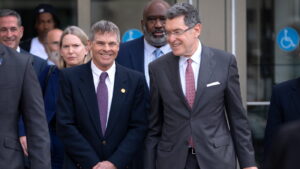
Sen. Steve Daines, R-Mont., speaks at the Senate Finance Committee confirmation hearing. Ben Curtis/AP
The GOP base is angry too
Roger Koopman, a former Republican legislator, criticized the GOP’s internal politics, suggesting that Bodnar’s independent run might appeal to disenchanted Republicans: “They’re going to say, ‘hey, I’m over these Republicans playing games with me… here’s this guy out here who says he’s independent, let me give him a try.'” Koopman’s comments underscore the existing tensions within party ranks.
Meanwhile, Kurt Alme, the Trump-endorsed candidate and former U.S. Attorney for Montana, remains relatively quiet. His campaign emphasizes his track record and alignment with conservative priorities. Political analysts like Eric Austin of Montana State University predict that party unity will eventually prevail, though the current political climate remains unpredictable.
As Montana navigates these political changes, issues such as economic anxiety and populist sentiments are rising to the forefront. Evan Barrett, a long-time Democratic activist, notes a resurgence in populist resentment, echoing concerns about external influences on local politics.
The upcoming midterms promise to be a critical juncture, with various factors, including President Trump’s endorsements and economic conditions, playing pivotal roles in shaping voter decisions.