Intensifying Tensions in the Middle East Amidst Ongoing Conflict
As the conflict in the Middle East escalates, the global community watches closely. The latest developments have drawn sharp responses from leaders worldwide, highlighting the geopolitical complexities of the ongoing tensions.
President Trump recently took to social media, urging European allies who are experiencing oil shortages due to the Strait of Hormuz blockade to “get your own oil!” This statement comes amidst a backdrop of increasing hostilities, including a Kuwaiti oil tanker being set ablaze by Iran near Dubai. However, officials confirmed that the fire was extinguished without any oil spill or injuries.
Early Tuesday, the United Arab Emirates Ministry of Defense reported defending against missile and drone attacks from Iran. Simultaneously, Saudi Arabia and other Gulf states are feeling the impact of the conflict, despite Iran’s foreign minister emphasizing that the strikes are directed at U.S. targets, not “brotherly” countries.
Continued Military Engagements
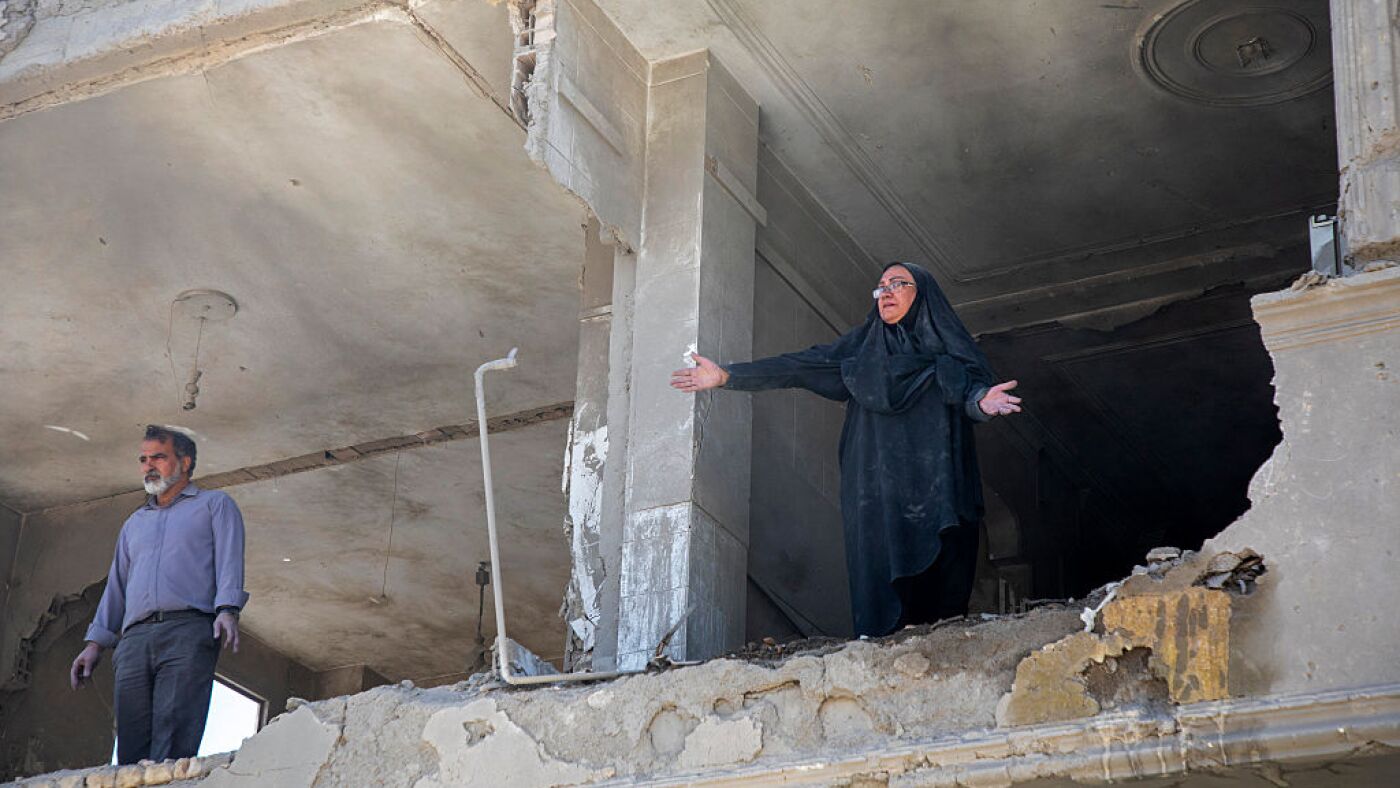
Central Israel has also been hit, with reports of injuries following a wave of attacks. The Israel Defense Forces (IDF) have confirmed strikes on government infrastructure in Tehran and are actively targeting Hezbollah in southern Lebanon. However, these operations have not been without loss, as Israel mourns three more soldiers in Lebanon.
Further updates from the war in Iran include Pentagon briefings, Peacekeeper deaths, and various international reactions.
Trump Criticizes Allies
President Trump has openly criticized European allies such as France and the United Kingdom for their hesitancy to support U.S. efforts in the region. On Truth Social, he suggested that these countries, struggling with jet fuel shortages due to the blockade, should either purchase from the U.S. or take action themselves to access the Strait of Hormuz.
“You’ll have to start learning how to fight for yourself,” Trump stated, emphasizing a need for allies to take more initiative in the conflict.
Pentagon Prepares Update
The Pentagon is set to hold a briefing on the Iran conflict, led by Defense Secretary Pete Hegseth and Dan Caine, chairman of the Joint Chiefs of Staff. This will be their first public Q&A session regarding the war since March 19. President Trump has suggested that the U.S. might take drastic measures, including targeting Iran’s oil infrastructure, if the Strait of Hormuz remains closed.
United Nations Responds to Peacekeeper Casualties
The U.N. Security Council is convening an emergency meeting following the deaths of three Indonesian peacekeepers in Lebanon. The peacekeepers were killed amidst escalating violence between Israeli forces and Hezbollah militants.
Indonesia’s foreign minister is demanding a transparent investigation into the deaths, as the conflict in Lebanon intensifies.
Iran’s Internal Challenges
Iran has arrested 46 individuals accused of selling Starlink internet connections, a rare means of bypassing government internet restrictions. Meanwhile, internet monitoring group NetBlocks reported that Iran’s internet blackout has persisted for over a month.
The Iranian government has also executed individuals accused of espionage and opposition activities, further highlighting the internal strife within the country.
International Reactions and Challenges
Secretary of State Marco Rubio criticized Spain for closing its airspace to U.S. military planes involved in the conflict. This decision has led to diplomatic tensions, as Spain’s government maintains its stance against the war in Iran.
President Trump threatened to sever trade ties with Spain unless U.S. forces are granted access to Spanish bases, underscoring the geopolitical rift the conflict has created.
Trump Shares Explosion Footage
President Trump posted a video of an explosion on social media, believed by the Associated Press to depict a U.S. attack on Isfahan. The video included two large blasts but was shared without additional context.
Dalai Lama’s Call for Peace
Tibetan spiritual leader the Dalai Lama has called for an end to the violence in the Middle East, urging for resolutions rooted in dialogue and diplomacy. He echoed similar sentiments shared by the Vatican, advocating for peace and mutual respect.
The ongoing conflict continues to draw international concern, with leaders across the globe weighing in on the path forward.
This article was originally written by www.npr.org