In the midst of escalating tensions in the Middle East, President Trump announced that U.S. forces stationed in the region would remain until a comprehensive agreement with Iran is fully implemented. This declaration comes as the region grapples with ongoing conflicts and a fragile ceasefire.
U.S. Military Presence and Ceasefire Challenges
President Trump announced that American troops will stay in the Middle East until a deal with Iran is reached and enacted. This statement followed a rocky start to a ceasefire, with Israel continuing its airstrikes in Lebanon and reports of drone and missile attacks on Gulf Arab countries.
Despite attempts to halt hostilities, the ceasefire has been marred by violence, including Israeli strikes that have resulted in hundreds of deaths. The Strait of Hormuz, a vital maritime route, remains nearly idle, contributing to economic uncertainty and rising oil prices.
Trump’s Stance on Iran Deal
Trump warned that military actions against Iran would resume if the agreement is not honored. He emphasized that the deal prohibits nuclear enrichment in Iran and ensures the Strait of Hormuz remains open, dismissing claims of its closure as false.
“If for any reason it is not, which is highly unlikely, then the ‘Shootin’ Starts,’ bigger, and better, and stronger than anyone has ever seen before,” Trump stated. He reiterated the terms on Truth Social.
Peace Talks and Diplomatic Efforts
High-level discussions between the U.S. and Iran are set to commence in Islamabad, facilitated by Pakistani Prime Minister Shehbaz Sharif. However, disputes over the ceasefire terms persist, with Iran advocating for a 10-point plan that includes control over the Strait of Hormuz and sanction relief.
The White House, however, has rejected Iran’s proposal. White House press secretary Karoline Leavitt described Iran’s demands as untenable, while President Trump initially considered them “workable.”
Regional Reactions and Tensions
As Israeli strikes continue in Lebanon, the nation observes a national day of mourning. Hezbollah demands the ceasefire include Lebanon and warns of retaliation if Israeli aggression persists. Iranian Foreign Minister Abbas Araghchi has urged the U.S. to fulfill its commitments to the ceasefire.
Gulf countries, meanwhile, seek to strengthen defense ties with the U.S., requesting a protective framework for energy facilities and navigation through the Strait of Hormuz.
Impact on Lebanon and Media Concerns
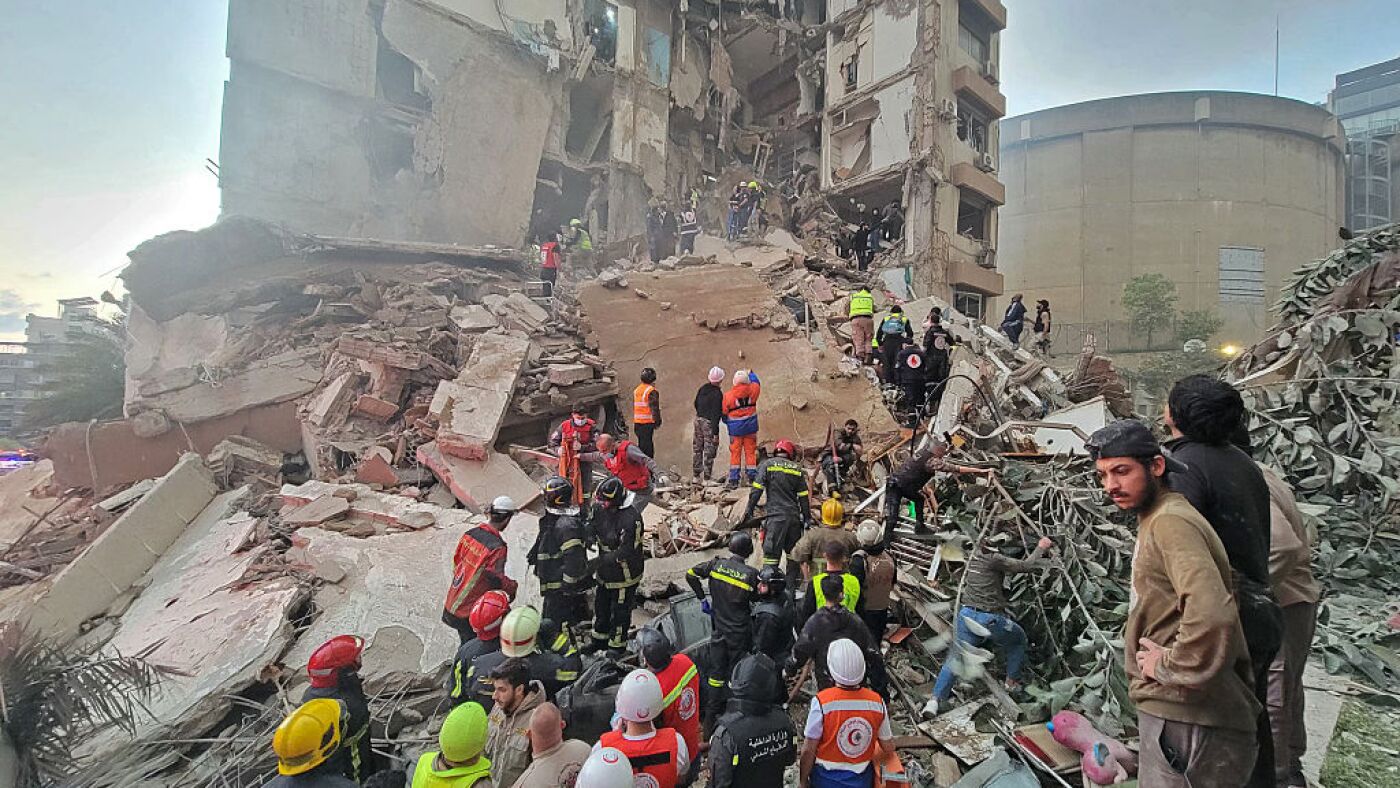
Lebanon mourns the loss of over 250 lives due to Israeli attacks, with the violence impacting densely populated areas. The Israeli military has conducted numerous strikes, prompting evacuations and causing widespread displacement.
The Committee to Protect Journalists reports that Israeli airstrikes have claimed the lives of three journalists in Lebanon and Gaza, raising concerns over press freedom and safety. Calls for independent investigations into these incidents have been made by CPJ.
Strait of Hormuz: A Maritime Crucible
Confusion persists over the status of the Strait of Hormuz, with conflicting reports about its closure. The strait, crucial for global oil supply, remains a focal point of geopolitical tension. Ship operators express uncertainty over new fee systems and the potential for Iranian attacks on vessels.
Erik Broekhuizen, a ship broker, highlighted the challenges posed by Iran’s decentralized military command, complicating communication and navigation through the strait.
An English language broadcast advised ships in the area to seek permission before attempting transit, as uncertainty continues to affect maritime operations.
This article was originally written by www.npr.org