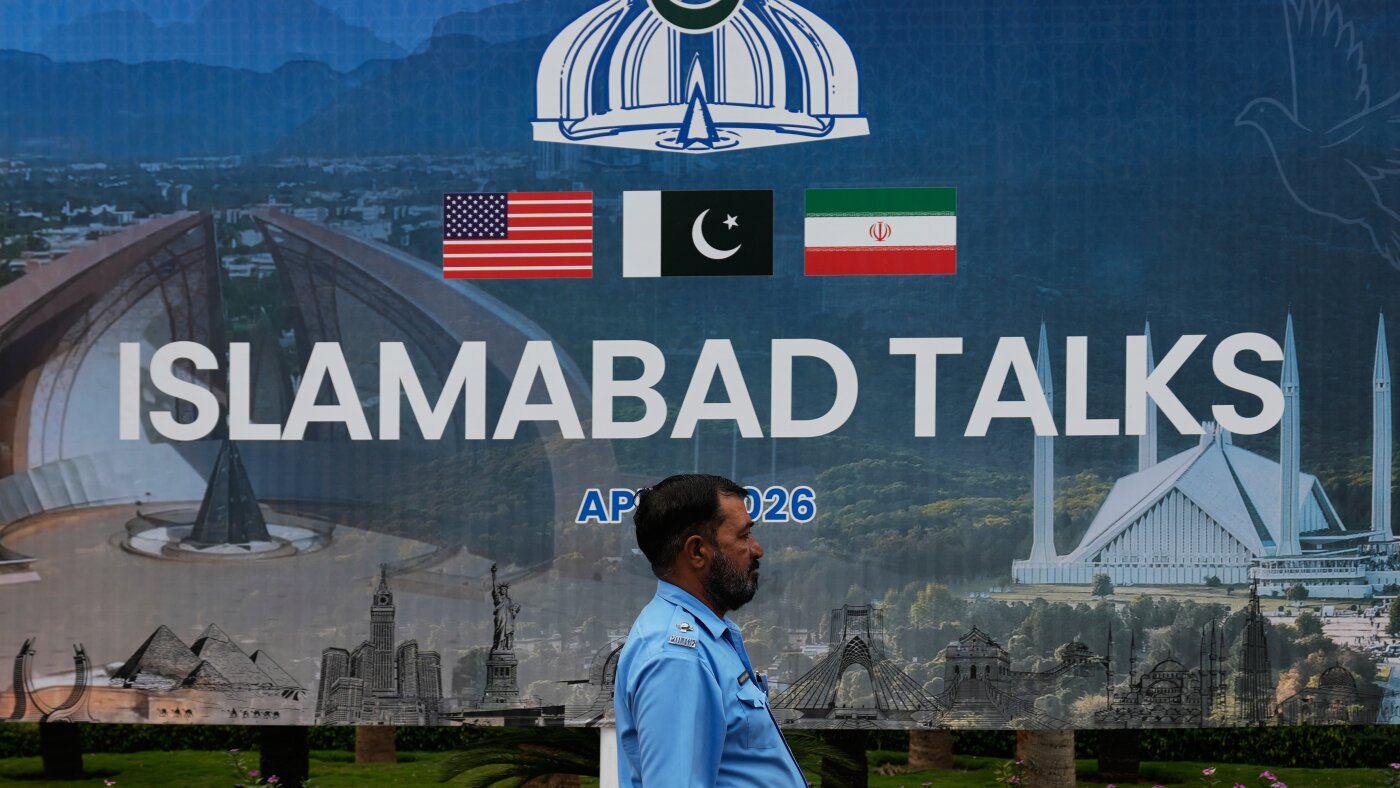
Diplomatic Spotlight Shines on Islamabad as U.S. and Iran Engage in Peace Talks
In an unexpected turn of events, Islamabad finds itself at the center of international diplomacy as it hosts crucial peace discussions involving the United States and Iran. This comes as a result of Pakistan’s vigorous diplomatic efforts, which culminated in a two-week ceasefire between the two nations.
Today marks a significant moment for Pakistan’s capital, which has often been perceived as a quiet city. The arrival of high-profile delegations from both the U.S. and Iran has put Islamabad under the global spotlight. Among the delegates is U.S. Vice President J.D. Vance, as Pakistan steps into its role as a key mediator in these talks.
The diplomatic overture that Pakistan has embarked on involves engaging with leaders from Egypt, Turkey, Saudi Arabia, and China to garner support. It’s a notable shift for a country that was previously a silent intermediary. The initiative gained traction following a plea from Pakistan’s Prime Minister, Shehbaz Sharif, leading to a rare agreement for a ceasefire.
Rasheed Wali Janjua, from the Islamabad Policy Research Institute, highlights the unique trust Pakistan has gained from both parties. “That was a very rare concurrence, because no other country enjoyed the same kind of trust from both parties,” Janjua commented. This trust has now placed Islamabad in a pivotal position to potentially broker a lasting peace agreement.
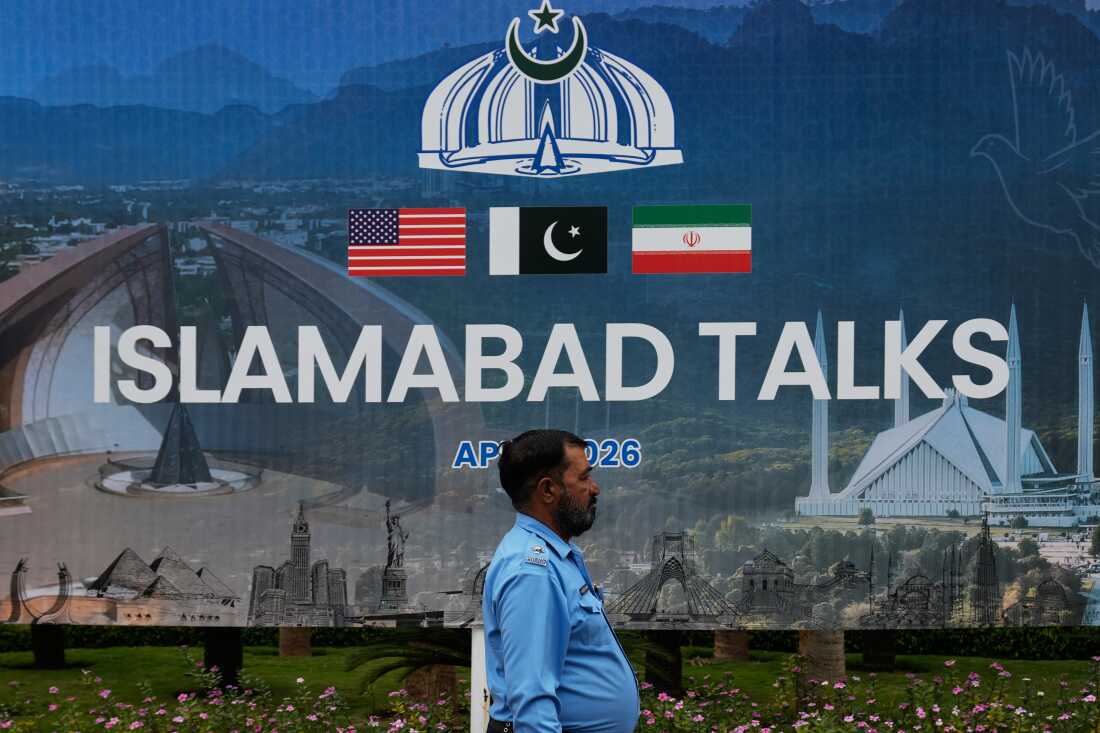
While the talks are ongoing, Pakistan’s leadership is facing the challenge of transforming the current ceasefire into a permanent peace agreement. Professor Ishtiaq Ahmad from Quaid-i-Azam University notes the potential change in global perception if Pakistan succeeds. “There is a disconnect between Pakistan’s diplomatic achievement and the situation back home,” Ahmad observes, pointing to the nation’s internal political and economic challenges.
Despite its diplomatic aspirations, Pakistan’s role as a peace broker comes with potential obstacles, particularly involving the Strait of Hormuz and the situation in Lebanon. The latter has continued to experience conflict despite the ceasefire, with Lebanon’s Prime Minister Nawaf Salam urging Pakistan’s intervention.

Negotiations have primarily focused on the dialogue between the U.S. and Iran, with Pakistan’s Prime Minister Shehbaz Sharif and Foreign Minister Ishaq Dar facilitating. The U.S. delegation, led by J.D. Vance, and Iran’s delegation, represented by parliamentary speaker Mohammad Bagher Ghalibaf and foreign minister Abbas Araghchi, are key participants.
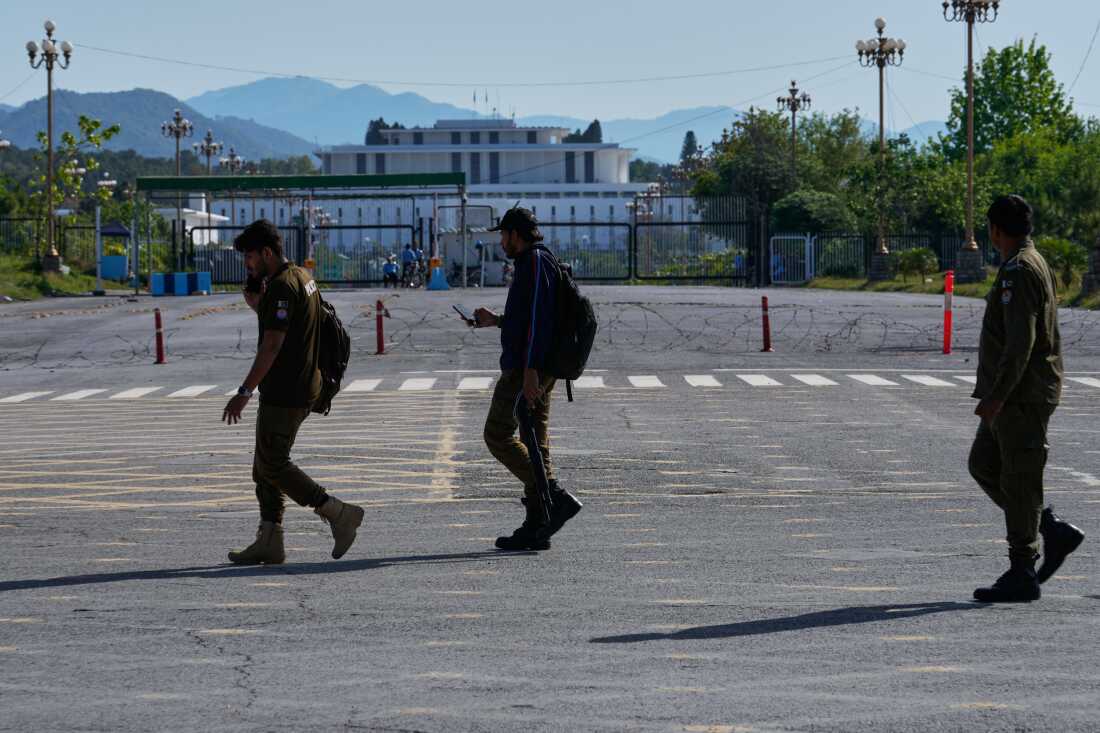
In preparation for these talks, Islamabad has undergone significant changes. Security measures are visibly heightened, with roads blocked by police cars and barriers. Residents have witnessed unusual activities, such as the clearing of a five-star hotel and the implementation of a city-wide holiday.
As the world watches, Pakistan’s government and military leaders, including army chief Asim Munir and National Security Advisor Asim Malik, remain central to this diplomatic endeavor. Official details remain closely guarded, but the outcome of these talks could redefine Pakistan’s role on the global stage.