Historic Talks Between Lebanon and Israel Begin Amid Ongoing Conflict
In an unexpected move, Lebanon and Israel have initiated their first direct diplomatic discussions in over three decades in Washington, D.C. Aimed at mitigating the longstanding conflict involving Hezbollah, these talks are being closely monitored by international observers.
The discussions are taking place at the U.S. State Department, with Secretary of State Marco Rubio facilitating the meeting between the ambassadors of Israel and Lebanon. Although no immediate resolutions are anticipated, the event is seen as a crucial step toward establishing a framework for future negotiations.
“It’s a historic gathering that we hope to build on,” Rubio commented, emphasizing that the objective extends beyond a mere ceasefire. “It’s about bringing a permanent end to 20 or 30 years of Hizbollah’s influence in this part of the world,” he added.
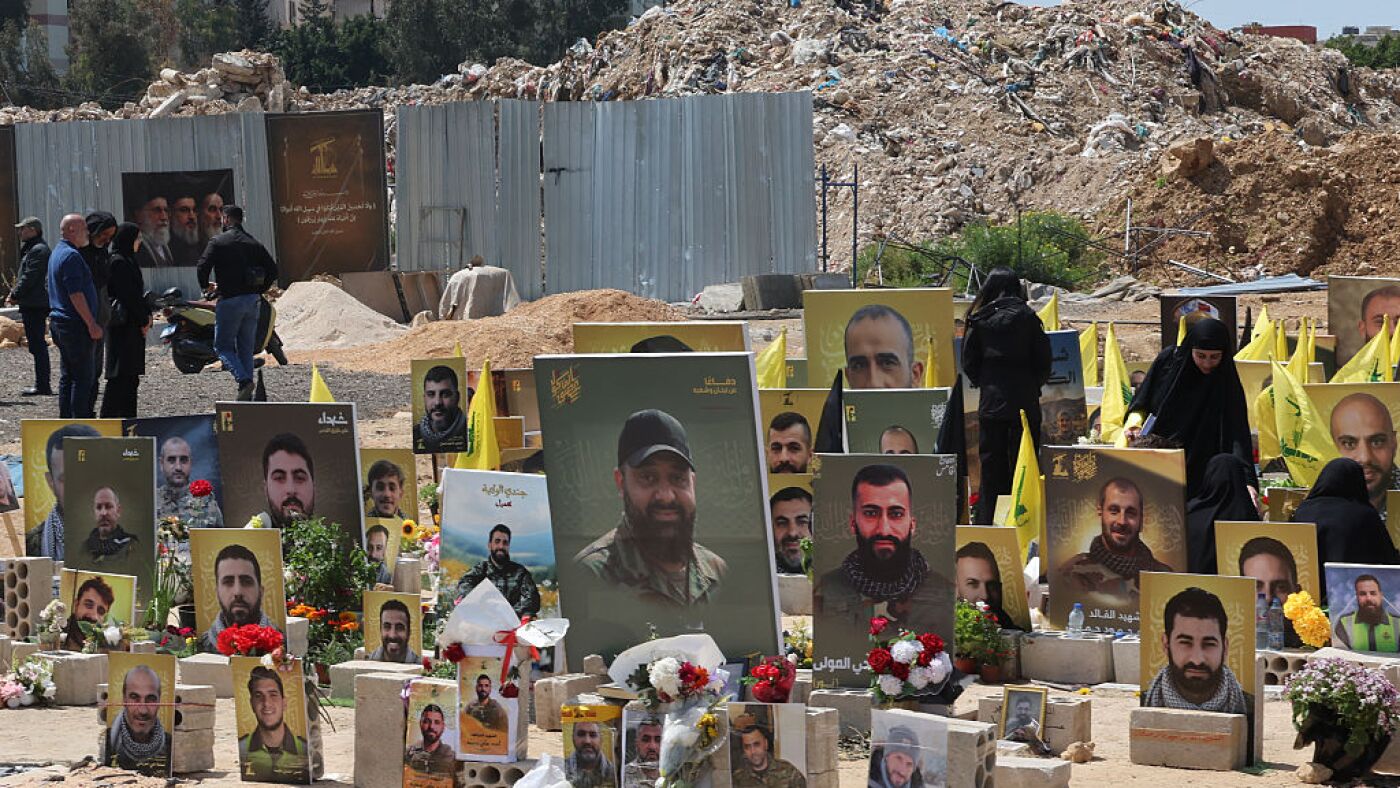
These talks follow six weeks of intense conflict between Israel and Hezbollah in Lebanon, resulting in significant casualties on both sides. Lebanese health officials report over 2,100 deaths from Israeli strikes, while Hezbollah’s actions have led to the deaths of at least 12 Israeli soldiers and two civilians.
Israeli Prime Minister Benjamin Netanyahu and Defense Minister Israel Katz have been actively involved in the military operations in southern Lebanon. Katz stated that their objective is to neutralize the threat posed by Hezbollah, drawing parallels to past operations in Gaza.
The diplomatic meeting occurs against the backdrop of a tenuous ceasefire between the U.S. and Iran. However, ambiguity regarding the extension of this truce to cover Israeli actions against Hezbollah has cast doubts on its stability.
Hezbollah opposes the talks, with its leader Naim Qassem stating, “These negotiations are futile,” and questioning the legitimacy of the Lebanese government’s participation without national consensus.
Despite ongoing violence, including recent airstrikes and cross-border rocket fire, the dialogue in Washington strives to pave the way for a lasting peace. The Lebanese government seeks a ceasefire, while Israel demands the disarmament of Hezbollah as a precondition for any agreement.
Israel’s insistence on disarmament highlights the challenges facing these negotiations, as Hezbollah maintains significant influence within Lebanon and is supported by Iran. The organization has continually resisted calls to surrender its arsenal.
Public sentiment in Lebanon remains skeptical. Ali Abboud, a Beirut resident, expressed his doubts about achieving peace, citing past experiences and current devastation as reasons for his pessimism.
Shay Har-Zvi, an Israeli strategist, anticipates that Israeli troops will maintain a presence in southern Lebanon to establish a buffer zone and prevent further attacks. “It’s going to take some time… but this is the only way that can maybe reduce the power of Hezbollah,” he remarked.
Jawad Rizkallah in Beirut contributed to this report.
This article was originally written by www.npr.org