Education Labels and Their Impact: Walter’s Journey with EBD
At the tender age of five, Walter was already a fixture of the education system—but not in the way most would hope. His mother, Crystal Deramus, recalls a turbulent start to his school life marked by aggression and frustration. “I kind of noticed that he was like really aggressive,” she said. From biting to tantrums, Walter’s behavior soon caught the attention of his teachers in Minneapolis, leading them to suggest a high-security school environment.
Walter’s early years were tumultuous. His father was incarcerated, and his mother was left paraplegic after a car accident. By kindergarten, Walter’s behavior escalated, prompting his therapeutic daycare to recommend a school with secure, locked facilities. This led him to River Bend Education Center, a school tailored for students with emotional or behavioral disorders (EBD).
The EBD Label and Its Implications
EBD is a category within special education that does not require a medical diagnosis. Instead, it relies on subjective criteria such as “an inability to build or maintain satisfactory interpersonal relationships” and “a pervasive feeling of unhappiness.” This label often follows students throughout their education, separating them from their peers. Walter, now 19, is a testament to this journey. For many, while the EBD label provides necessary support, it can also restrict opportunities and reshape life paths.
Life at Central Senior High
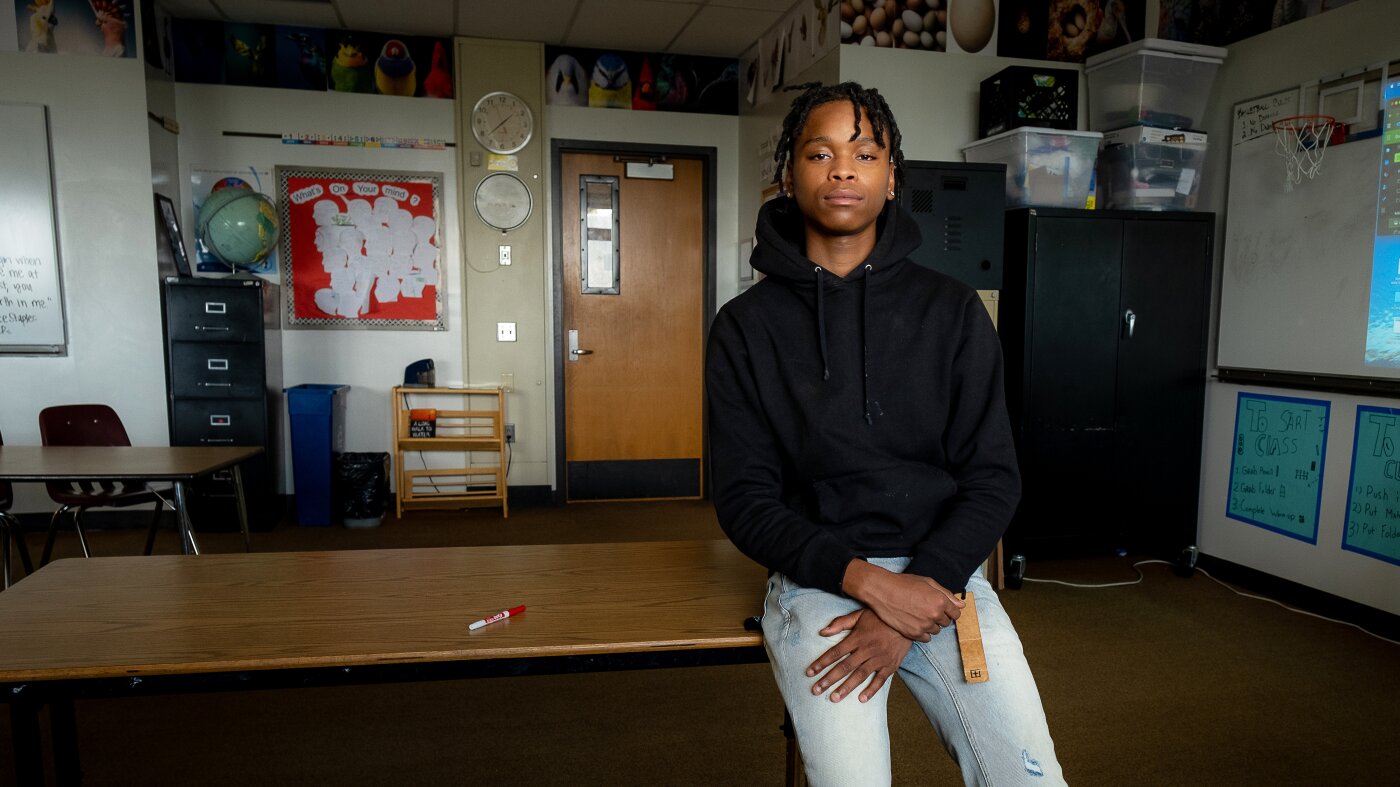
Central Senior High School, known for its diversity and academic rigor, became a part of Walter’s story when he joined as a high school student. Under the guidance of Jesse Kwakenat, a veteran teacher for EBD students, Walter navigated the complexities of a system that often segregates students based on behavioral challenges. Kwakenat, or Mr. K, aims to create a supportive environment, though he acknowledges that students often struggle outside his classroom.
Walter’s educational journey largely involved being in EBD-designated classrooms, limiting his interaction with general education peers. Critics of separate classrooms argue that such environments isolate students, while supporters believe they allow for personalized teaching approaches.
Behavioral Labels and Racial Disparities
The EBD label is not uniformly applied. Braden Schmitt, a school psychologist, notes a disparity in how labels are assigned, with Black and brown students more likely to be labeled EBD compared to their white peers, who often receive diagnoses like OHD (Other Health Disabilities) or autism. Rachel Fish of Smith College suggests that these labels reflect systemic biases, noting that EBD lacks the perceived legitimacy of other disabilities.
Historian Keith Mayes argues that the education system has historically pathologized Black behavior, leading to a disproportionate number of students of color being labeled EBD. This systemic issue, he suggests, is rooted in subjective behavioral assessments.
Challenges and Future Prospects
Walter’s story took a turn during his senior year when he could not meet graduation requirements due to suspensions. The decision was made to transfer him to Journeys Secondary School, focusing on life skills rather than academic credits. This shift aims to equip students like Walter with practical skills for adulthood, although it marked a departure from traditional educational milestones.
As Walter navigates his future, he reflects on the support he received from Kwakenat. Though challenges remain, particularly in balancing work and education, Walter remains determined to complete his education and move forward. His story highlights the broader challenges faced by students labeled EBD and the systemic changes needed to support their success.