The Uncertain Future of DACA Recipients Amid Policy Shifts
In the ever-evolving landscape of U.S. immigration policy, the Deferred Action for Childhood Arrivals (DACA) program stands as a beacon of both hope and uncertainty for many. Initially designed as a temporary measure, DACA has provided a lifeline to young immigrants, allowing them to work and live in the United States without the immediate threat of deportation. However, recent changes in policy have left many recipients in a precarious position.
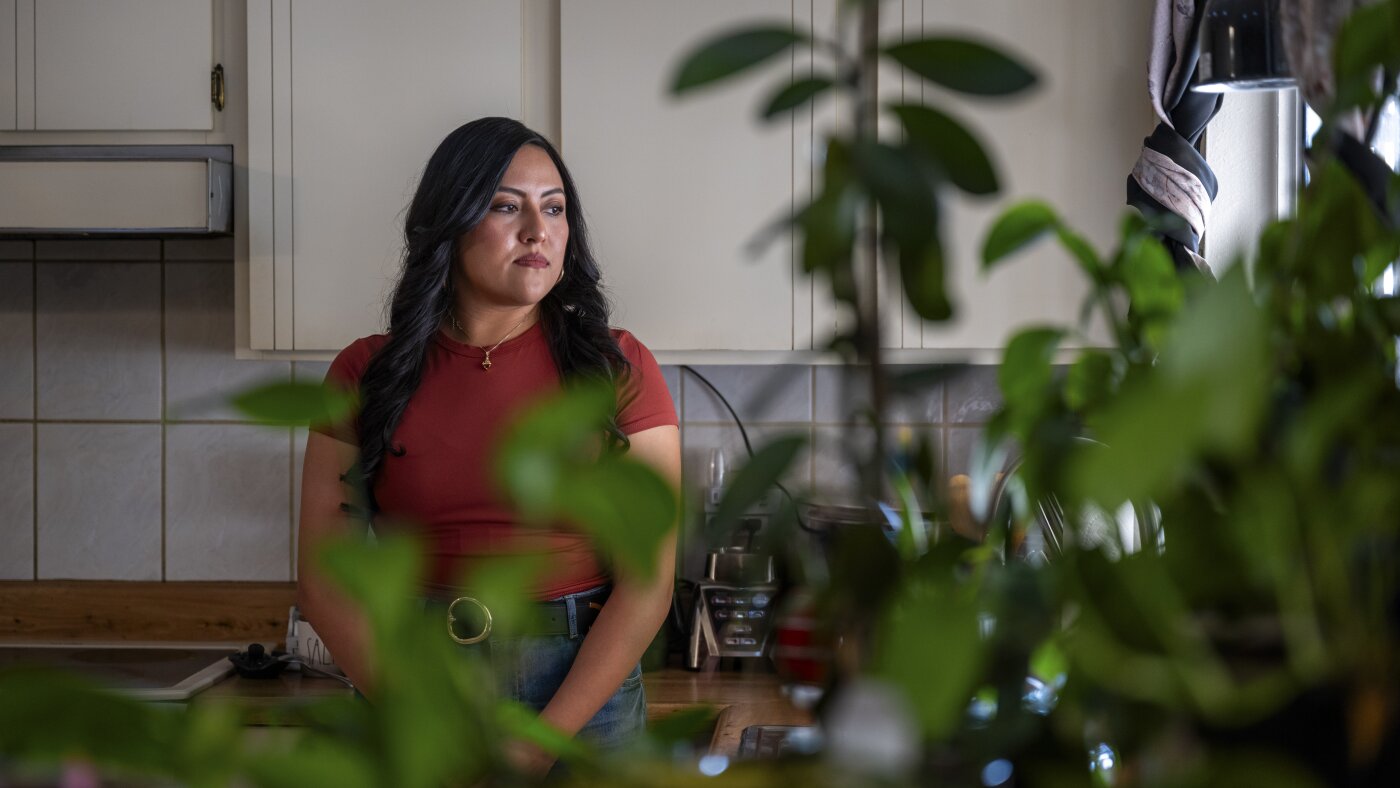
In Phoenix, Diana A., a 34-year-old DACA recipient, recently faced an unexpected hurdle. With her work permit expired, she found herself unable to legally work or even travel to a friend’s wedding in San Diego. Despite having renewed her DACA status every two years for a decade, this year marked a deviation as her approval lapsed for over a month, leaving her in a state of anxiety. “It was a very stressful time in my life,” she confided, fearing potential detention.
Challenges and Concerns
The DACA program, introduced in 2012 by the Obama administration, was intended to protect young immigrants brought to the U.S. illegally as children. It was meant to be a temporary solution while Congress debated a more permanent pathway. However, legislative consensus remains elusive. As Blanca Sierra-Reyes, a DACA recipient and mother, points out, “We’re not kids anymore. We are adults. We are professionals.”
According to data from the U.S. Citizenship and Immigration Services, the average age of a DACA recipient is now 31, with many having U.S. citizen children and established careers. Yet, under the current administration, the program’s reliability has waned, causing uncertainty for hundreds of thousands.
Evolving Policies and Their Impact
In recent months, the Trump administration has taken steps to diminish the benefits and protections once offered by DACA. This includes urging recipients to self-deport and making them ineligible for federal health care programs. Additionally, a Justice Department ruling now states that DACA status alone does not shield recipients from deportation.
Julia Gellat from the Migration Policy Institute highlights the consequences: “We’re seeing a lot of people falling out of work authorization, which means that their employers can’t continue to employ them.”
Former Homeland Security Secretary Kristi Noem reported to senators that between January and November of last year, 261 DACA recipients were arrested, and 86 were deported due to their lack of legal status.
The Personal Toll
For individuals like Salvador Macias, an immigration attorney and DACA recipient, the uncertainty is palpable. Despite his professional success, he finds it challenging to plan for the future. “I still don’t feel stable,” he admits, waiting months for his renewal application to be processed.
Others, like Luis, are grappling with unemployment after their DACA status lapsed. “It’s like I’m paying for a subscription that I have no control over,” he laments.
Marena Guzman, a Ph.D. candidate, moved back with her parents to ensure her DACA renewal, fearing the loss of her income. She reflects on the limitations of her status, realizing that marriage is her only path to adjust her status.
The Mythical Dream
The DREAM Act, which could provide a legal pathway for young immigrants, remains a distant hope. Jose Patiño recalls the initial excitement upon hearing about it but now feels disillusioned. “I’m going to be closer to 40 and I’m still in this,” he expresses with frustration.
Statistics show that 66% of DACA recipients remain single, a testament to the uncertainty surrounding their future. For many, the dream of a permanent legal status remains just that—a dream.
This article was originally written by www.npr.org