Supreme Court Continues to Tread Carefully on Voting Rights Act Cases
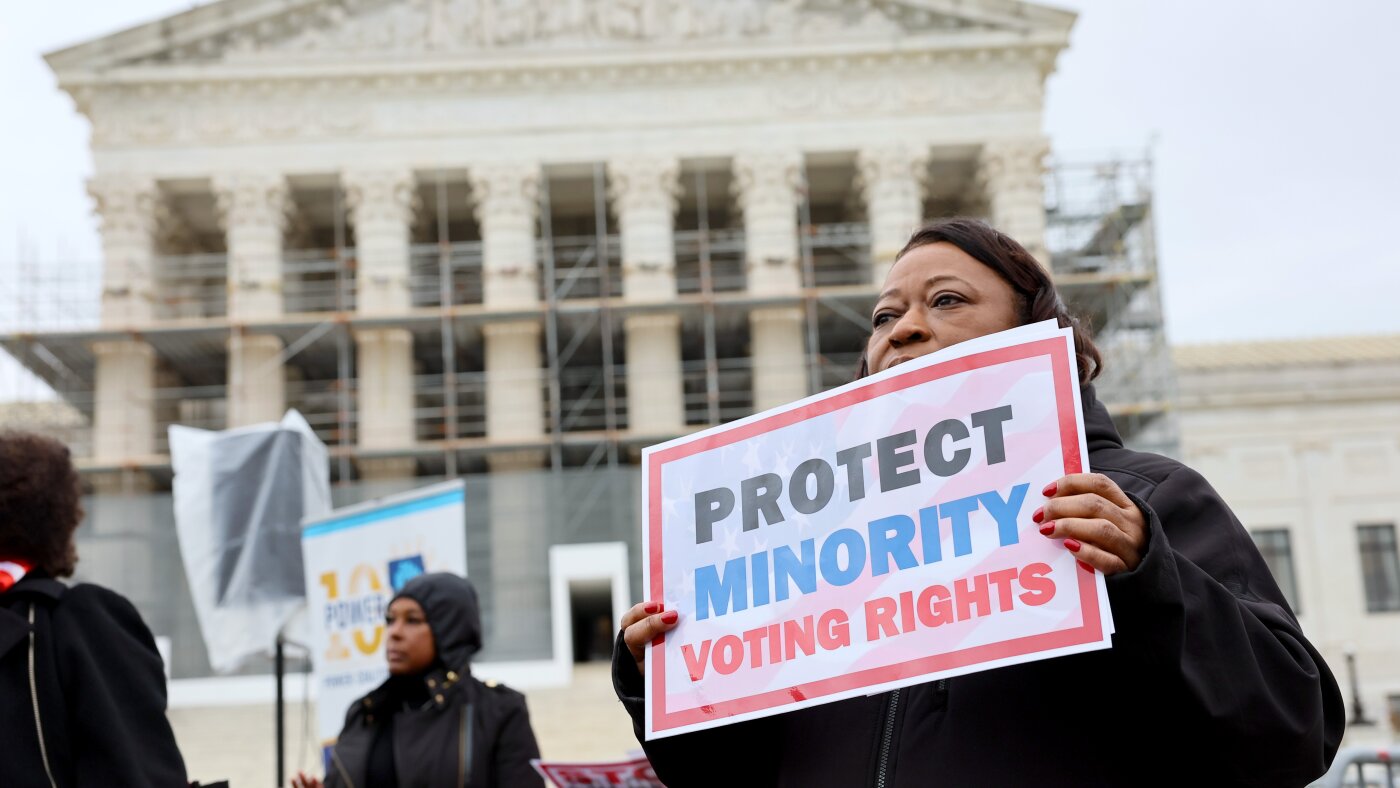
The U.S. Supreme Court has once again opted for caution, choosing not to directly address a pivotal legal question that could potentially restrict the enforcement of the Voting Rights Act’s protections. The court’s recent decision leaves key aspects of the law in flux, especially concerning minority voters’ rights.
Following its recent decision to weaken the Voting Rights Act, the Supreme Court has remanded cases regarding state legislative maps in Mississippi and North Dakota to lower courts. This move follows the court’s ruling in Louisiana v. Callais, which affected legislative redistricting and intensified political debates ahead of the upcoming 2026 midterm elections. The ruling has significant implications for the congressional gerrymandering disputes that have emerged since President Trump’s tenure.
Unresolved Legal Questions: Private Right of Action
The court’s decision to return these cases has sidestepped a crucial question: whether Section 2 of the Voting Rights Act can be enforced by private individuals and advocacy groups, or solely by the U.S. attorney general. Historically, Section 2 has been upheld through numerous lawsuits initiated by voters and civil rights organizations.
Republican leaders in Mississippi and North Dakota have introduced an argument that challenges private enforcement of Section 2. Should this interpretation prevail, it could significantly reduce the number of Section 2 lawsuits, reshaping the legal landscape around voter rights.
Liberal Justice Ketanji Brown Jackson expressed her dissent over the court’s recent order. She highlighted that the Callais decision did not resolve whether private parties could enforce Section 2, and stated, “Thus I see no basis for vacating the lower court’s judgment.” Her criticism underscores the contentious nature of this legal question.
Section 208 and Its Future
Another section of the Voting Rights Act, Section 208, which allows voters needing assistance to choose a helper, is also under scrutiny. The 8th U.S. Circuit Court of Appeals recently ruled against private enforcement of this section in an Arkansas case, a decision that aligns with its stance on Section 2 in North Dakota.
Chief Judge Steven Colloton, in his dissenting opinion, criticized the 8th Circuit’s approach, describing it as a “regrettable path” that undermines a critical civil rights statute. A Supreme Court brief concerning the Arkansas case is expected soon, with the justices yet to decide if they will hear the case.
For further details on the Supreme Court’s recent activities regarding the Voting Rights Act, consider exploring the Louisiana redistricting case or the state and local redistricting debates.
This article was originally written by www.npr.org