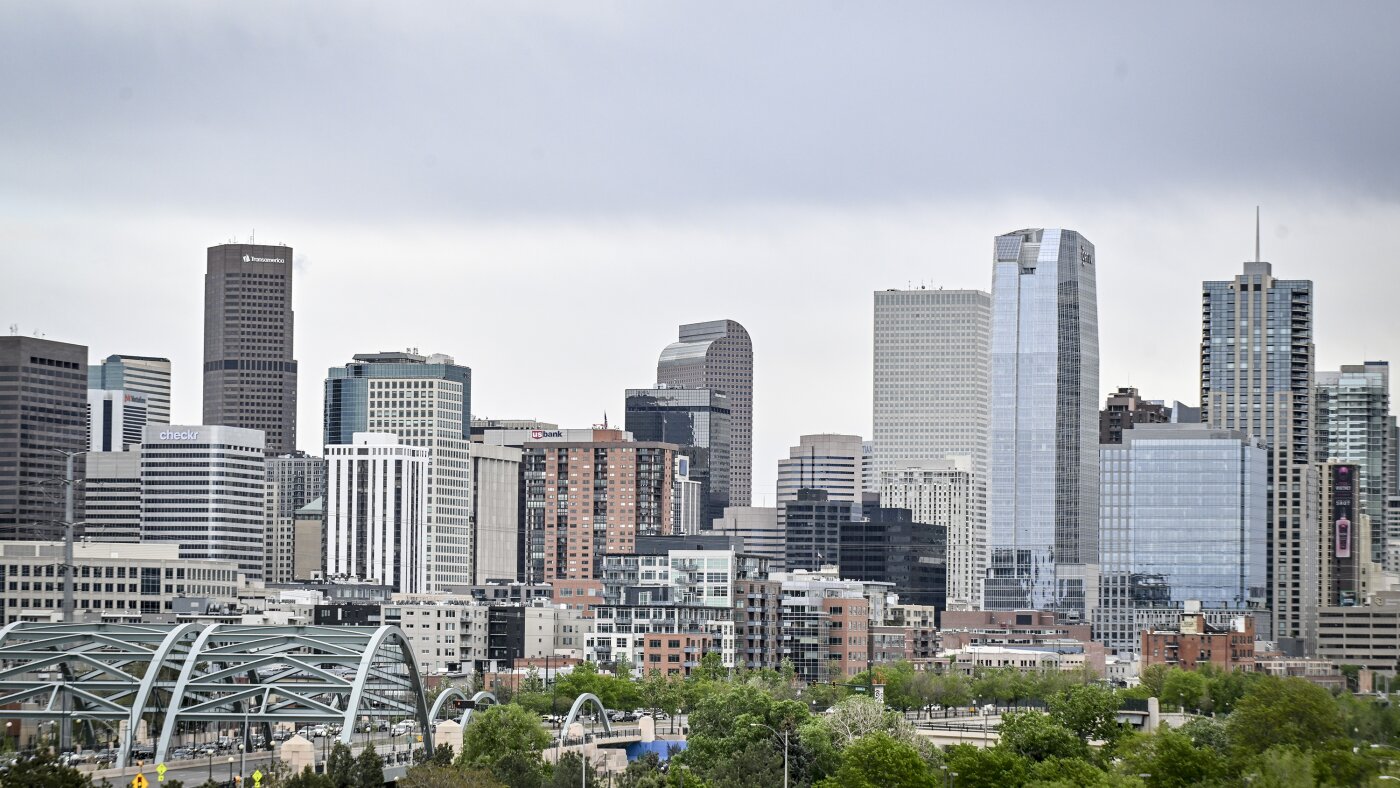
Denver’s Innovative Plan: Harnessing Heat from Unlikely Sources
In an era where cities are striving to cut down on climate pollution, Denver is turning to an unconventional approach. The city is set to heat and cool a downtown cluster using an innovative system that draws from water, geothermal energy, and even sewage.
Denver’s buildings are the leading source of its climate pollution. The city is now piloting a thermal energy network that will heat and cool buildings using a mix of methods, including the heat of the Earth and sewage. Such networks have already been implemented in various places, and if successful, Denver could set a precedent for urban centers across the U.S.
The Cherokee Boiler House: An Opportunity in Disguise
The Cherokee Boiler House, despite being an aged and unused plant, is central to this initiative. Denver Mayor Mike Johnston stated, “We think we are standing in what can be the future of energy in Denver, which is both pollution-free and affordable.” The city aims to leverage this facility to achieve its goal of eliminating greenhouse gas emissions by 2040, offering a cost-effective solution for taxpayers.
Denver’s plan involves repurposing parts of its outdated steam system, which currently heats over a hundred downtown buildings using natural gas. The city envisions a transformation into an “ambient loop” – a network that links buildings through water-filled pipes, efficiently heating and cooling them using water-source heat pumps.
Revamping the Energy Network
This modern network will circulate water through buildings, allowing heat to be exchanged as needed. Elizabeth Babcock from Denver’s Office of Climate Action explained that heat pumps will transfer energy to maintain comfortable building temperatures. “Basically, heat pumps can move heat wherever you need it,” she noted.
The Cherokee Boiler House will serve as the central hub for this system, managing the energy loop. The city estimates the cost of this project at $280 million to $320 million, with funding sourced from city budgets and state grants. Despite the initial high costs, a feasibility report suggests significant savings compared to other decarbonization methods.
Geothermal and Sewage: Unorthodox Energy Sources
To maintain the loop’s efficiency, Denver plans to tap into geothermal energy by drilling boreholes beneath downtown parking lots. These will harness Earth’s natural heat, acting as a thermal battery for the network. Once constructed, geothermal energy is virtually free, making it an attractive option despite the upfront expenses.
Additionally, the city aims to utilize sewage as a thermal resource. Dan Freedman of Metro Water Recovery highlighted the potential of warm wastewater, generated from everyday activities, as a heat source. Although geothermal might sound more appealing, the thermal energy from sewage offers a sustainable solution to both energy needs and environmental regulations.
Scaling Up: A Vision for the Future
Initially, Denver will test the network with a few buildings and a snowmelt system. If successful, the city plans to expand to nine buildings by 2030 and potentially adapt the model for broader applications. Mayor Johnston envisions a future where downtown buildings are sustainably heated and cooled, setting a benchmark for urban centers nationwide.
For more information on this initiative and other climate solutions, visit NPR’s Climate Solutions series.
This article was originally written by www.npr.org