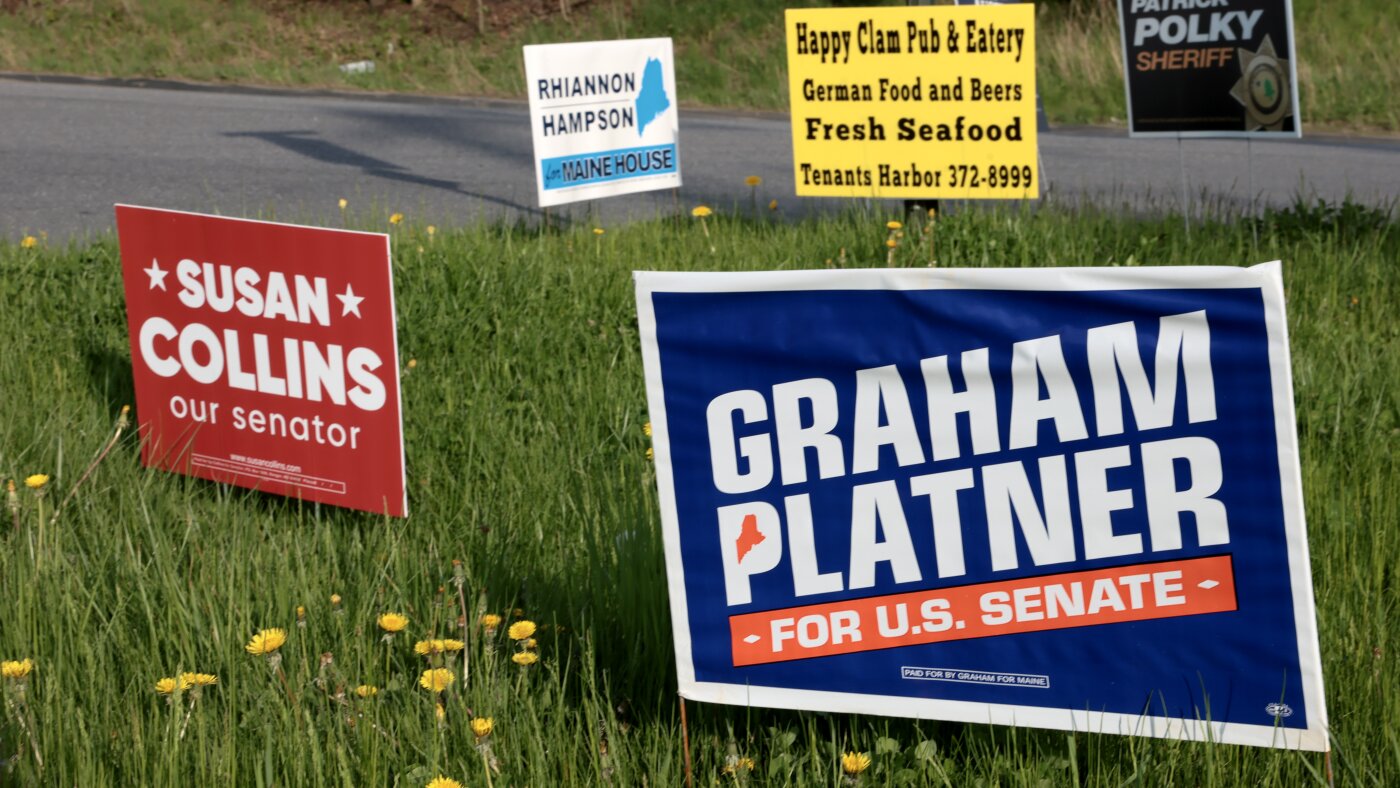
Key Senate Race in Maine: Voters Face a Crucial Decision
As the political climate intensifies, the Senate race in Maine is drawing attention with its potential to shift the balance of power. Voters are now faced with a decision between incumbent Republican Sen. Susan Collins and Democratic challenger Graham Platner, each representing distinct political philosophies.
A Contrast in Campaign Strategies
The upcoming election pits Collins’ traditional approach of securing federal funds for Maine against Platner’s call for systemic change. Collins, who has served five terms, is leveraging her seniority, particularly her role as chair of the Senate Appropriations Committee, to appeal to voters by highlighting her success in directing federal dollars to local projects. In her campaign’s first advertisement, she emphasized her role in funding a breakwater dock in Eastport, Maine.
On the other hand, Platner, a former combat veteran and oyster farmer, is advocating for a political overhaul, criticizing the existing system as unfair to working-class citizens. His campaign manager, Ben Chin, has argued that Collins’ influence over the federal budget links her to the financial difficulties faced by Mainers.
Collins’ Longstanding Influence
Sen. Collins has a history of delivering federal funds to her state, a strategy she describes as “bringing home the bacon.” Her efforts include initiatives such as funding for Maine’s community colleges, reversing cuts to biomedical research, and addressing local environmental issues like the spruce budworm. Her opposition to tariffs that could harm local industries further exemplifies her commitment to Maine’s economic well-being.
Platner’s Vision for Change
Platner has been vocal about his dissatisfaction with what he perceives as Collins’ symbolic opposition to policies like Trump’s One Big Beautiful Bill, which he argues disproportionately affects low-income residents. He has accused Collins of engaging in “performative politics” that benefit the elite rather than the working class.
Despite the criticism, Collins’ approach resonates with independent voters, a crucial demographic in Maine elections. Dan Shea, a professor at Colby College, noted that Collins’ ability to attract unaffiliated voters has been key to her past electoral successes.
Outlook for the November Election
The race remains unpredictable, with independent voters likely playing a decisive role. While some Republicans may have reservations about Collins’ bipartisan record, her importance in maintaining party control of the Senate is acknowledged by figures like Vice President Vance and former President Trump.
Vance mentioned at a recent event in Bangor, Maine, “Sometimes I get frustrated with Susan Collins. I almost wish that she was more partisan, but the thing I love about Susan is she is independent, because Maine is an independent state.”
As the election approaches, the choice between Collins’ experience and Platner’s call for reform will be a significant factor in determining Maine’s political future.
This article was originally written by www.npr.org