The Equal Employment Opportunity Commission (EEOC) is at a crossroads as proposals under the Trump administration aim to discontinue an essential element of its civil rights enforcement strategy. These changes could significantly impact how discrimination in the workplace is addressed across the nation.
The EEOC’s Historical Role
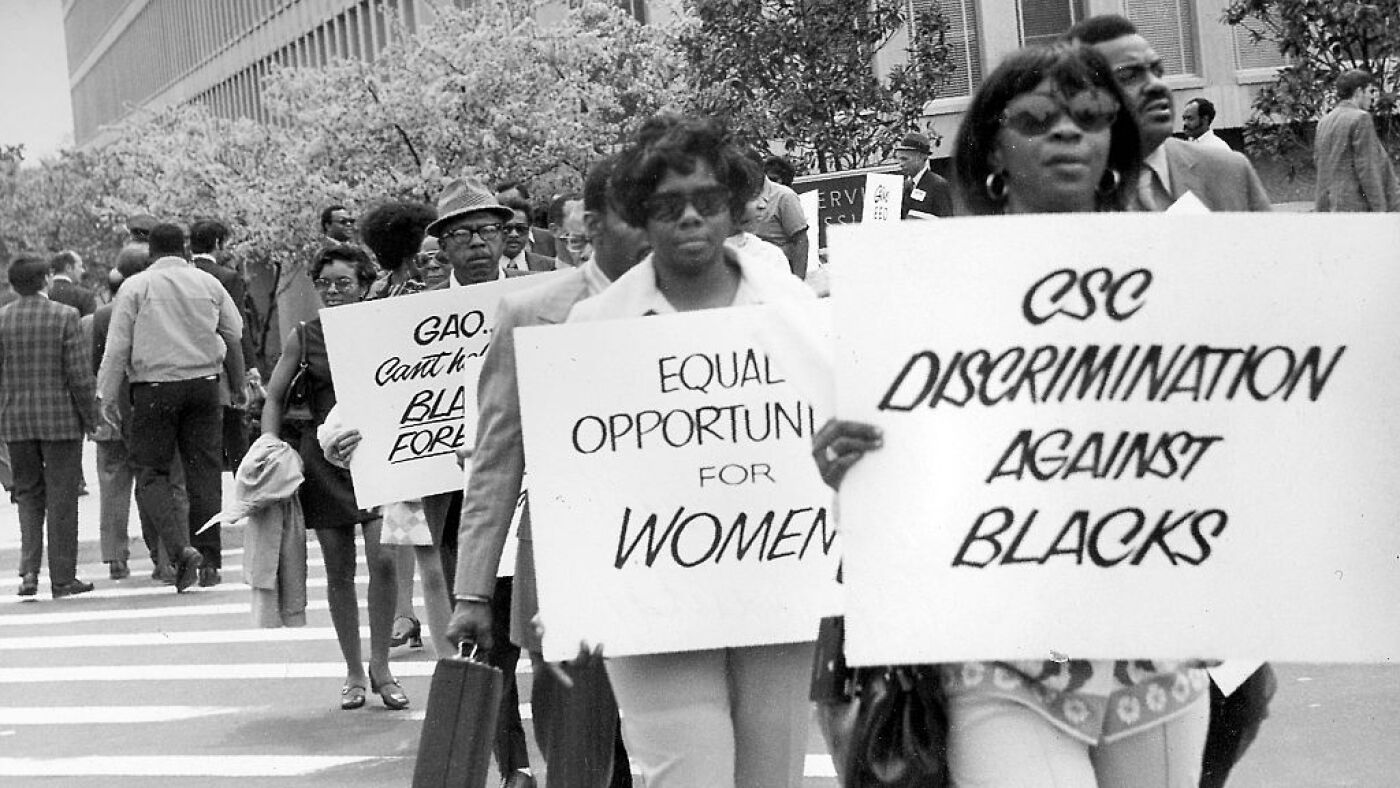
Since its inception in 1966, the EEOC has been collecting EEO-1 data from companies with over 100 employees. This information on race, ethnicity, sex, and job categories has been pivotal in identifying hiring and promotion disparities, particularly affecting women and people of color. Over the years, these efforts have resulted in settlements worth billions, underscoring the EEOC’s role in combating workplace discrimination.
Proposed Changes and Their Implications
The agency, now realigning under President Trump’s administration, seeks to halt this annual data collection and repeal a 1979 regulation allowing proactive measures to correct race and gender imbalances. These moves signify a departure from traditional civil rights enforcement practices.
EEOC Chair Andrea Lucas, appointed by Trump, has not commented on these proposals. However, she has articulated her stance that initiatives focusing on specific groups, such as women or Black people, may contravene Title VII of the Civil Rights Act of 1964 if they lead to the exclusion of others. Lucas stated at the Fortune Workplace Innovation Summit, “Regardless of what has happened before, the way to stop discriminating based on race is to stop discriminating based on race. The end. Full stop.”
Legal Precedents and Potential Future Challenges
The 1979 regulation provided a framework for companies to address discrimination through mentoring programs and hiring targets. This approach was supported by the Supreme Court’s decisions in Weber and Johnson, which validated affirmative action plans that do not excessively infringe on the rights of white employees and are temporary. Despite these legal precedents, the fate of such regulations remains uncertain.
The Crucial Role of Data in Enforcement
The potential elimination of EEO-1 data collection could hinder future discrimination investigations. The data has been instrumental in numerous cases, including the 2011 lawsuit against Bass Pro Shops, where disparities in hiring practices were uncovered using demographic data. David Lopez, former EEOC general counsel, emphasized the importance of data, saying, “You can have a hunch, but there’s nothing like the cold, hard numbers.” The lawsuit ultimately resulted in a $10.5 million settlement.
Concerns Over Data Misuse
Lucas has raised concerns about the misuse of demographic data post-George Floyd’s murder, suggesting some companies have used it to make race- or sex-based employment decisions. She argues this crosses the legal line, noting, “All it has to do is motivate — in whole or in part — your decision making, and you’re into unlawful territory.”
Maintaining Focus on Civil Rights
Despite changes in the EEOC’s approach, experts like David Cohen, president of DCI Consulting, advise companies to continue tracking employee demographics as a sound business practice. Cohen likens operating without data to “driving a car without a dashboard,” emphasizing the importance of understanding workforce composition to identify potential issues.