San Diego’s Water Surplus Amidst Colorado River Shortages: A Complex Solution
In an unexpected turn of events, San Diego, a city previously plagued by water shortages, now finds itself with a surplus of water. This comes at a time when California is negotiating to reduce its reliance on the drought-stricken Colorado River. This intriguing situation has sparked interest from nearby cities and states eager to tap into San Diego’s excess supply.
Historically, San Diego has been at the end of the Colorado River’s supply line, receiving minimal rainfall, averaging only about eight inches per year. Despite these challenges, the city has transformed its water management strategy through aggressive recycling, conservation efforts, and a significant investment in desalination technology. As a result, San Diego now has more water than it needs, presenting an opportunity to sell the surplus.
Desalination: A New Source of Water
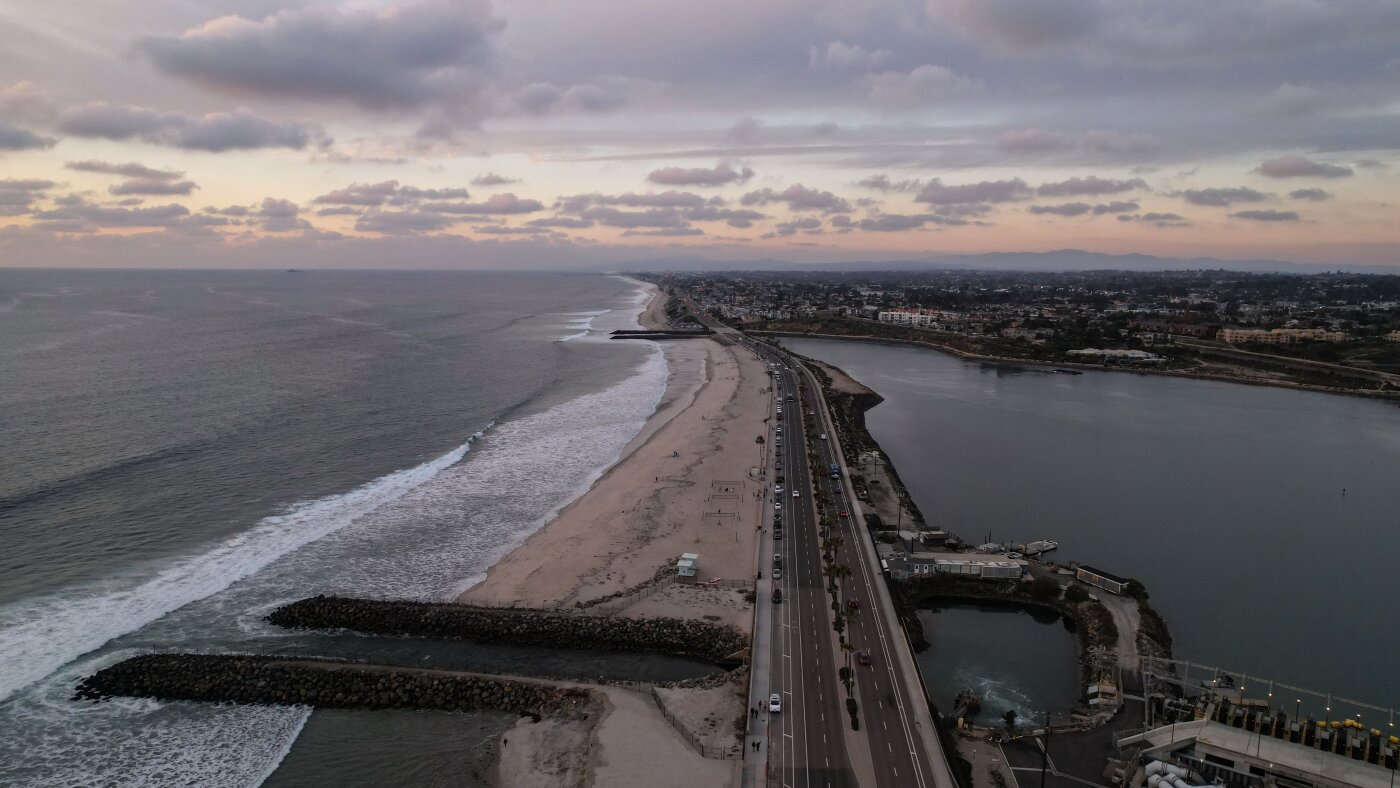
At the heart of this surplus is the Claude “Bud” Lewis Carlsbad Desalination Plant, located north of San Diego. This facility processes approximately 100 million gallons of seawater daily, converting about half of it into drinkable water through reverse osmosis. Operating since 2015, it contributes roughly 7-10% of the region’s water needs.
Despite the ongoing megadrought in the West, the local demand does not require the full output of desalinated water. “We’re the only agency that is bringing new water into the system,” notes Meena Westford, director of imported water at the San Diego County Water Authority. This move represents a shift away from traditional sources, introducing new water into the regional supply.
Potential Interstate Water Transfers
The idea of physically transporting San Diego’s water to places like Arizona or Las Vegas is not on the table. Instead, the plan involves a paper transfer. If approved, San Diego would leave its allocated Colorado River water in Lake Mead, using its desalinated water locally. This approach is seen as a way to help manage the strained river system more effectively.
“So we’d be drinking more desal water here in San Diego and leaving our Colorado River supplies for other folks to use,” explains Westford.
Environmental Concerns and Economic Challenges
While desalination offers a new water source, it comes with environmental and economic costs. Producing desalinated water is energy-intensive and significantly more expensive than traditional sources, costing five to ten times more than river water. Environmentalists like Patrick McDonough from San Diego Coastkeeper argue that desalination should not be considered a comprehensive solution to the Colorado River crisis.
McDonough highlights the importance of conservation and water recycling as more sustainable approaches. “The water produced by this massive, biggest in the western hemisphere desalination plant is a drop in the swimming pool compared to the entire Colorado River basin supplies issue,” he says.
Regional Cooperation and Future Prospects
Despite the challenges, there is a willingness to invest in San Diego’s water resources. Southern Nevada Water Authority and other agencies have signed a memorandum of understanding to explore purchasing water from San Diego. This potential interstate transfer could be integrated into new regulations for the Colorado River, expected to be finalized by the year’s end.
As the Colorado River’s two largest reservoirs, Lake Mead and Lake Powell, face critically low levels, the urgency for innovative solutions grows. John Entsminger, Southern Nevada Water Authority’s general manager, acknowledges the regional collaboration efforts. “Despite all the other headlines, there’s a lot of regional cooperation going on, and we’re all working together to solve this problem,” he says.
This article was originally written by www.npr.org