The Growing Role of AI in Education: A Double-Edged Sword for Teachers
As artificial intelligence (AI) becomes more prevalent, its impact on education is a topic of significant discussion among educators. A recent NPR/Ipsos poll reveals that nearly 75% of K-12 teachers believe AI could have more profound effects on learning than previous technological advances. However, this new tool also brings challenges, particularly concerning students’ critical thinking abilities.
Involving 545 teachers nationwide, the survey highlights the mixed feelings educators have about AI. While many teachers utilize AI to streamline tasks and enhance educational content, there is a pervasive concern that AI might hinder students’ ability to think independently.
“We’re in an environment where teachers feel like this is going to fundamentally reshape the future of education moving forward,” said Mallory Newall, a senior vice president at Ipsos. “They have serious concerns about AI’s impact on how they relate to their students and how students relate to each other.”
AI: A Tool for Teachers, Not Yet for Students
Currently, AI sees limited use by students in classrooms. Over half of the teachers report that students aren’t using AI in class, while around 40% say it’s used at least weekly. Conversely, 60% of teachers have adopted AI for work-related tasks, citing time savings as a key benefit, though most report saving only up to two hours weekly.
Teachers like Michele Naber from El Toro High School in California leverage AI to teach students about its potential inaccuracies. She tasks students with using ChatGPT to describe animals and then verifying the information with trusted sources. Naber also finds AI helpful for creating multiple choice questions quickly, significantly reducing preparation time.
AI and Student Critical Thinking: A Cause for Concern?
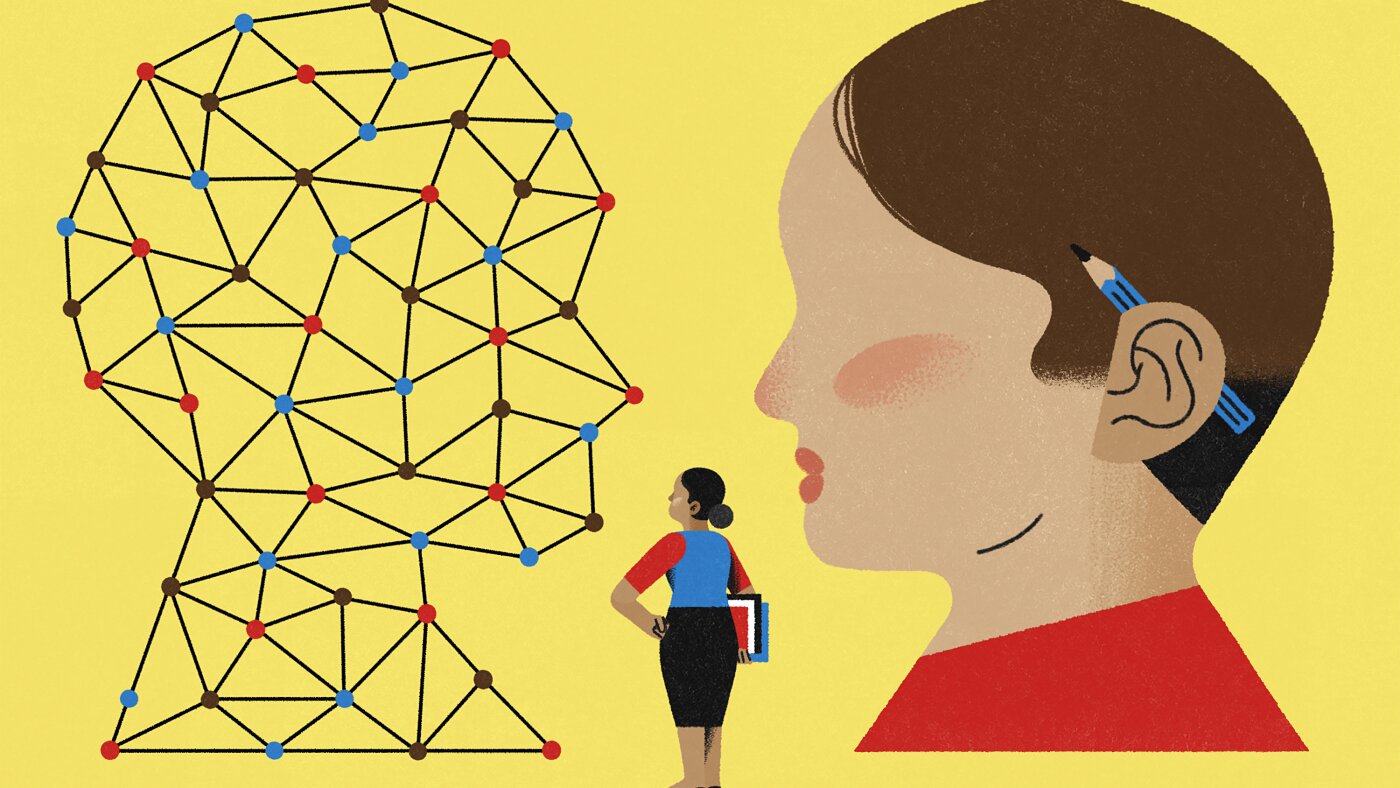
The potential for AI to impair students’ critical thinking is a significant worry. More than half of the teachers surveyed believe AI could make it harder for students to develop these skills. Christa Corricelli, a special education teacher in Massachusetts, notes that while AI can be beneficial, it often becomes a crutch for students not naturally inclined to question and analyze.
Naber stresses the importance of teaching students to critically evaluate AI outputs, fearing that unquestioned reliance on AI could lead to misinformation. “I care about [my students]. I want them to be able to look at the world and figure out things for themselves, not rely on a piece of software,” she says.
Trust and AI: A Growing Divide?
The survey indicates that AI may be eroding trust between educators and students, with nearly 60% of teachers noticing a decline. Some teachers have responded by increasing in-class assignments and requiring handwritten work to counteract AI’s influence.
Josh Kauffman, a seventh-grade teacher in Alabama, has observed a rise in AI-generated student submissions in his virtual school. He encourages students to prioritize their original work, emphasizing the value of personal expression.
Guidance on AI: A Missing Piece in Schools
Despite AI’s growing presence, many schools lack clear policies or training for its use. Only 35% of teachers in schools providing AI software report having formal guidelines. Additionally, just 40% of teachers receive AI-related professional development, leaving many to navigate this new landscape with minimal support.
Teachers like Ellie Rodriguez in Florida express a desire for more training to integrate AI effectively into teaching practices. “They need to teach us how to apply that information to what we do and most importantly to how we teach to be able to utilize [AI] in a positive way,” Rodriguez says.
This reporting was supported by the Omidyar Network’s Reporters in Residence program.