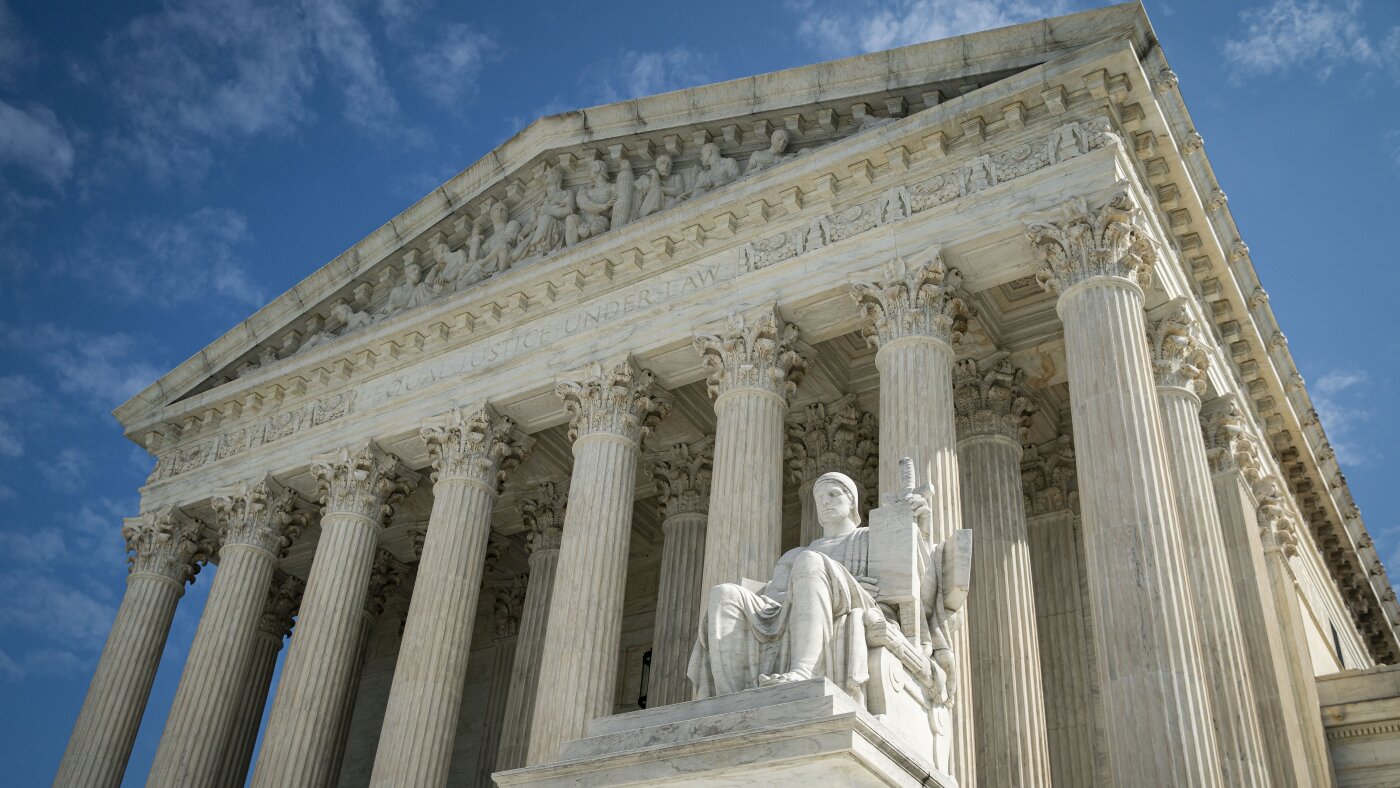
Supreme Court Limits Police Access to Tech Data in Landmark Decision
The Supreme Court has taken a significant step in shaping the boundaries of digital privacy. In a decision announced Thursday, the court ruled against the use of geofencing by law enforcement, a technique that enables police to access data from major tech companies to identify individuals near crime scenes.
With a 6-3 majority opinion penned by Justice Elena Kagan, the court determined that this method infringes upon the Fourth Amendment, which protects citizens from unreasonable searches. The controversial practice of geofencing involves setting a virtual boundary around a crime location and obtaining a warrant to compel technology firms to provide data on individuals present in the area during the incident.
The ruling originated from a bank robbery case in Richmond, Virginia, where $195,000 was stolen. When the investigation stalled, authorities issued a geofence warrant to Google, requesting data from cellphones in the vicinity during the crime. Google’s initial search identified 19 individuals, but after legal resistance, they narrowed it down to three people. One of these individuals, Okello Chatrie, was later found with a weapon resembling the one used in the heist and confessed to the crime.
Chatrie’s defense argued in court documents that geofence searches are unconstitutional, as they allow authorities to conduct broad data searches without probable cause, effectively treating millions of innocent users as suspects. This, they claim, violates the Fourth Amendment by prioritizing data collection over developing specific suspicions.
Conversely, the government contended in its argument that individuals voluntarily provide location data to companies like Google, thus forgoing constitutional protections over this information. The court’s decision now sets a precedent on how digital privacy rights are balanced against law enforcement needs.
This article was originally written by www.npr.org