Inside the Struggles of Filing Grievances in Federal Prisons
A straw sunhat sparked a significant conflict at a federal penitentiary in California on November 2, 2023. A dispute between a guard and a prisoner identified as J.M. escalated when the officer, Sandra Munagay, physically assaulted him. The incident was caught on camera, but the repercussions went beyond the recorded assault.
Following the initial confrontation, J.M. claims that in a hallway without cameras, Munagay continued to assault him and falsely accused him of attacking her. According to a lawsuit, additional guards joined in, ultimately pinning J.M. to a wall and sexually assaulting him with an unknown object. Medical records from the night of the incident noted injuries consistent with his allegations.
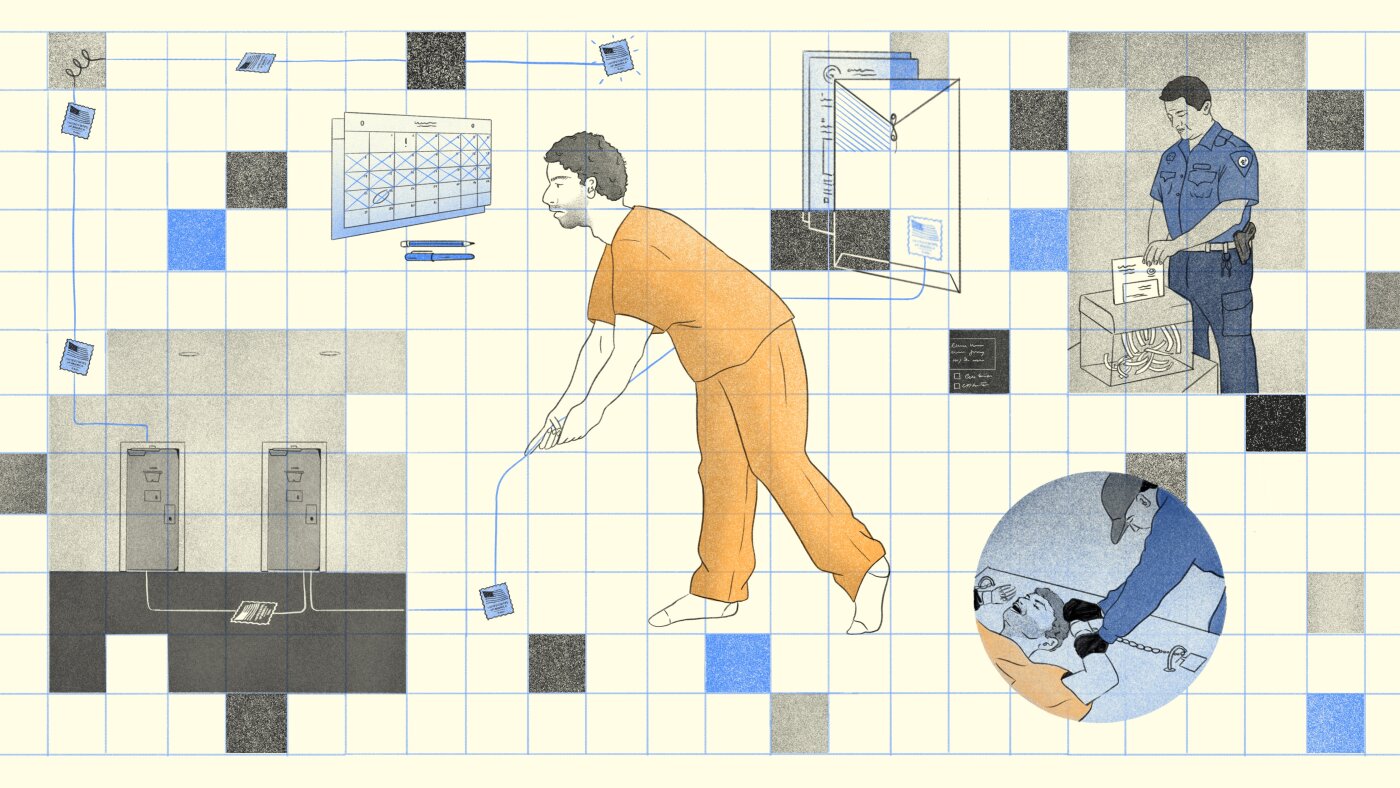
Despite the evidence, J.M. faced the daunting challenge of navigating the prison grievance system, where guards hold significant control over filing complaints. This situation is a common struggle for those in federal prisons, where filing a grievance can lead to retaliation, making prisoners hesitant to report abuse.
Federal law mandates that incarcerated individuals exhaust the prison’s grievance process before pursuing legal action. This requirement, according to civil rights attorney Colin Prince, gives prison staff considerable power over access to the courts, effectively shielding misconduct from legal scrutiny.
While Munagay admitted to the assault and falsifying records, the broader issue of grievance filing remains contentious. An investigation by The Marshall Project and NPR found that only a small fraction of grievances were granted in 2023, with procedural errors or other administrative reasons cited for most rejections.
Prison officials contend that the system is designed to foster resolution, not hinder court access. However, many prisoners, like Jimmy Hodge, disagree. Hodge, who experienced abuse himself, argues that the grievance system often leads to further harassment rather than relief.
The Prison Litigation Reform Act, enacted 30 years ago, requires grievances to be filed before lawsuits can proceed. This law aimed to reduce frivolous lawsuits but has also significantly decreased the number of civil rights cases filed by prisoners. Critics argue that many cases involve severe issues like inadequate medical care and abuse, which are far from frivolous.
Prisoners face numerous obstacles in filing grievances, including obtaining the necessary forms and ensuring their complaints are processed. Those in isolation face even greater challenges, as highlighted by attorney John Boston, who points out the potential for misuse when grievances must be handed to correctional officers.
J.M.’s experiences are emblematic of these systemic issues. After being transferred to Thomson penitentiary, known for its violence, he continued to struggle with filing grievances. Despite efforts to report abuse, his complaints were often thwarted, and fear of retaliation remained a constant concern.
In May, a U.S. Government Accountability Office report highlighted the fear of retaliation as a significant barrier to reporting abuse. The report found that many prisoners were unaware of alternative reporting methods, underscoring the need for improved communication and protection for those who speak out.
J.M.’s case exemplifies the broader challenges and systemic barriers within the federal prison grievance process. Despite the obstacles, he remains determined to use the system, hoping for eventual change and accountability.
This article was originally written by www.npr.org