The Legal Maze Surrounding AI-Generated Characters
In the rapidly evolving landscape of digital entertainment, a novel legal battle is brewing over the ownership rights of AI-generated characters. These quirky figures, known as “Italian brainrot,” have captured the imagination of young audiences worldwide, sparking a debate over intellectual property rights.
Originating from artificial intelligence, the Italian brainrot characters have become a cultural phenomenon, appearing in memes, social media, and video games. Despite their popularity, their ownership remains a contentious issue, now playing out in a California courtroom. The case involves a game developer and a French startup representing the young creators of these AI characters, with significant financial implications on the line.
The heart of the dispute lies in whether these AI-generated characters can be used freely in games and other media or if their creators deserve recognition and compensation. The outcome could set a precedent affecting millions of dollars in potential revenue.
Mark McKenna, a law professor at the University of California, Los Angeles, highlights the complexity of determining copyright for AI-generated art, stating, “We’re still in the middle of figuring out, as a copyright matter, how much human involvement there has to be.”
Characters Like Ballerina Cappuccina
Emerging in early 2025, Italian brainrot characters, with their unique AI-generated designs and faux Italian names, have become a hit among children. Examples include La Vaca Saturno Saturnita, a cow with Saturn’s body and human feet, and Ballerina Cappuccina, a coffee in a tutu.
The popularity of these characters has led to their integration into products targeting younger audiences, including the video game Steal a Brainrot by Do Big Studios. The game, a hit on the Roblox platform, involves players collecting and stealing brainrot characters.
Legal Dispute Over Tung Tung Sahur
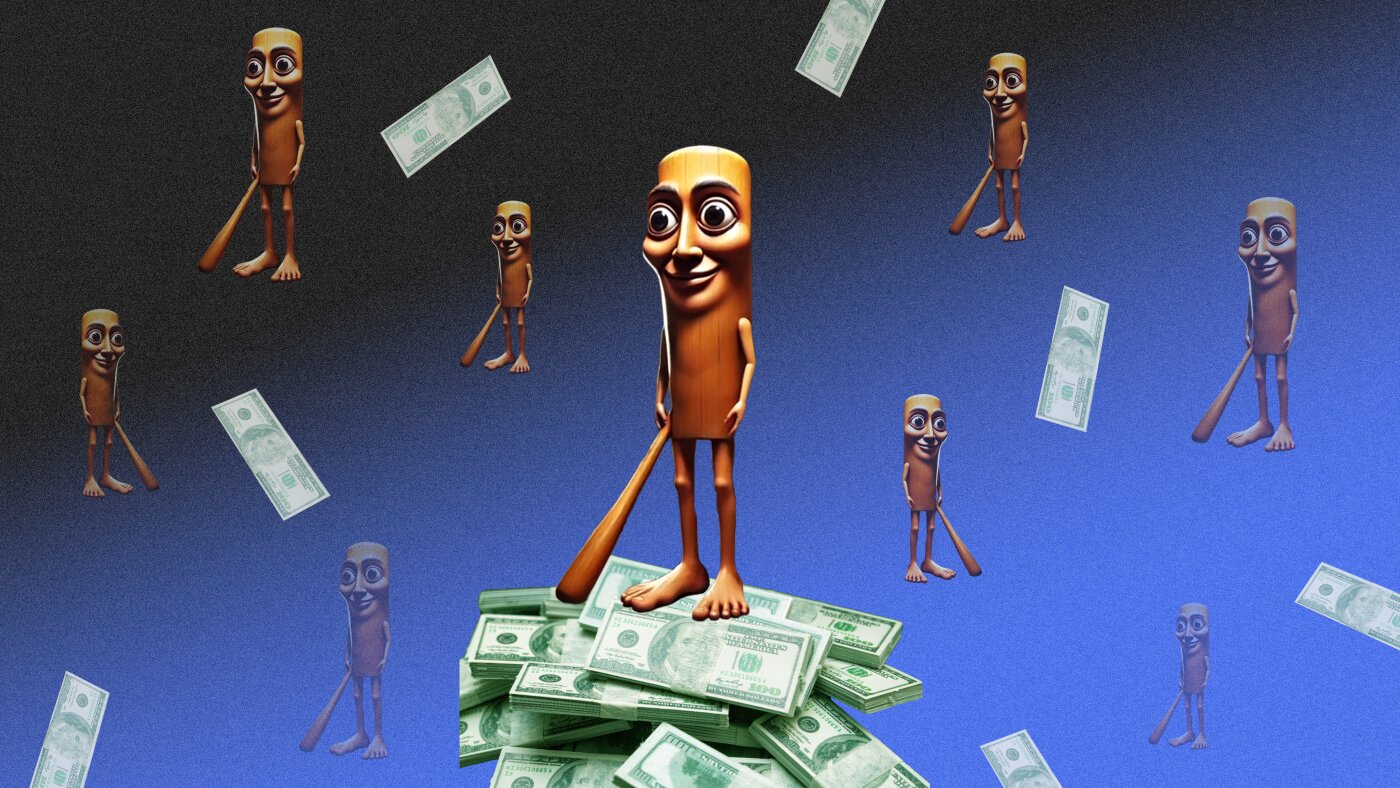
Following the success of Steal a Brainrot, developer Sam Brakta, known as SpyderSammy, was approached by Mementum Lab regarding licensing for the character Tung Tung Sahur. This character resembles a wooden stick with human features and a baseball bat.
Rather than agreeing to a licensing deal, Do Big Studios chose to challenge Mementum Lab in court, arguing that AI-generated content does not qualify for copyright protection due to the lack of human authorship.
“It’s our client’s position that the various brainrots…are not protectable — they’re not owned by anybody,” said Aaron Moss, a lawyer representing Do Big Studios.
Creators vs. Developers
Mementum Lab, representing the creators, argues that these characters, well-known globally, hold immense financial potential. Eben Jeda, a co-founder of Mementum, insists that the original creators should benefit from any success these characters achieve.
For instance, Tung Tung Sahur was created by an Indonesian named Fernanda Bagas Indrastata using seven prompts in an AI generator. The character’s name stems from the “tung tung” sound of a traditional Indonesian drum, the kentongan, used during Ramadan.
Steven Stein, a lawyer for Mementum Lab, argues that the character’s human origin supports its eligibility for copyright, even if created quickly. “If I sat here right now and drew a picture of something and spent 30 seconds doing that, that could be copyrightable,” he explained.
Trademark Strategy
Mementum Lab is leveraging trademark law, rather than copyright, to pursue damages for unauthorized use of Tung Tung Sahur. This approach allows them to sidestep the broader question of AI-generated content’s copyright status.
UCLA’s McKenna notes that while using trademark law in this way is common, it may not align with the law’s intended purpose. Despite this, he believes Tung Tung Sahur could potentially secure a copyright under U.S. law, given the low standard for originality.
This article was originally written by www.npr.org