
The Quiet Storm: Ohio’s Rural Battle Against Data Centers
In the serene town of Mt. Orab, Ohio, a quiet upheaval is brewing as residents grapple with the potential influx of hyperscale data centers. This small community, located in the exurbs of Cincinnati, is at the heart of a growing grassroots movement seeking to protect the rural charm from becoming another data hub.
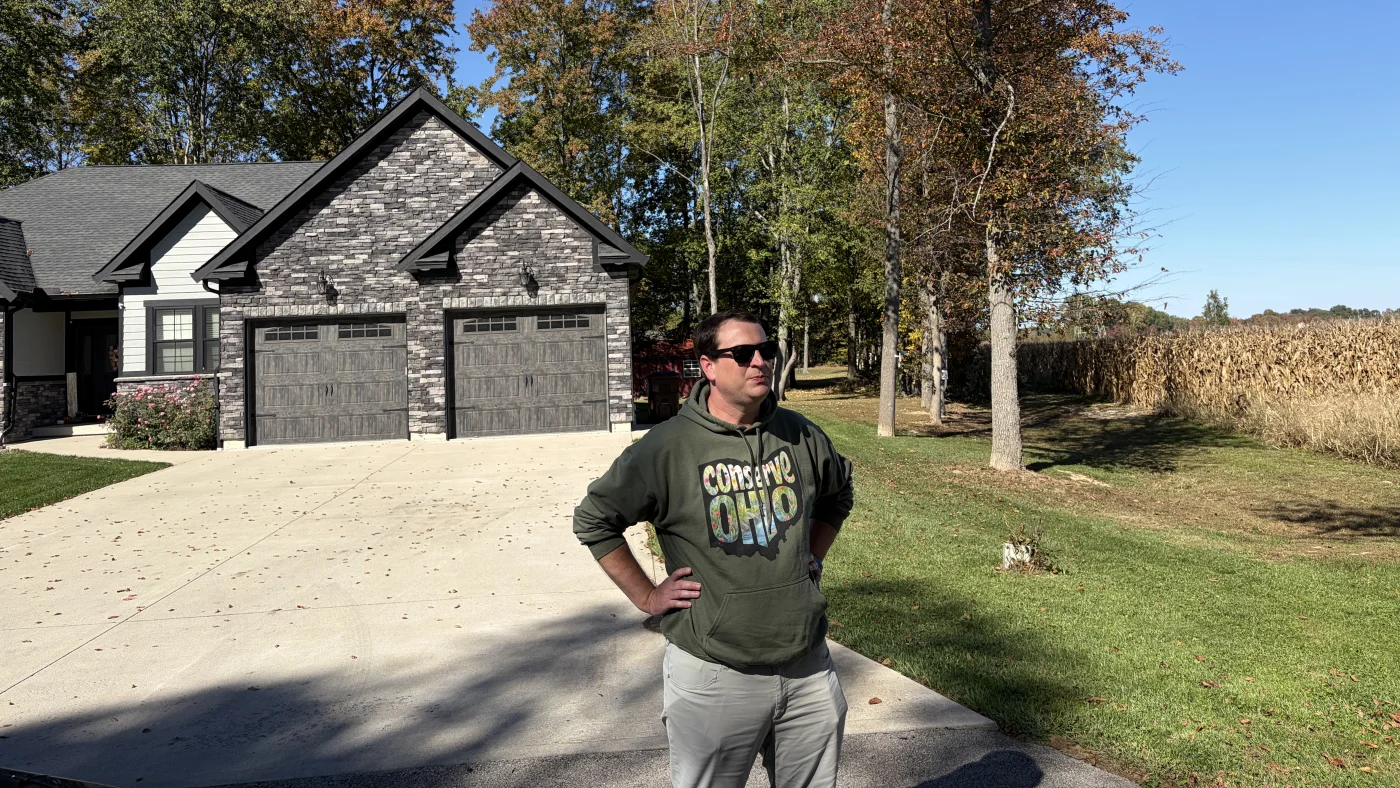
Nick Owens, a local attorney and lifelong resident, finds himself at the forefront of this effort. The mystery surrounding the sale of 1,000 acres of farmland to a data center developer in 2024 and 2025 has consumed him. “This is the Ohio that people brag about. This is the Ohio people love,” he states, emphasizing the area’s small-town charm.
Despite the non-disclosure agreements hindering Owens’ quest for transparency, he has found allies in a local attorney and a real estate agent. Together, they formed Conserve Ohio, a bipartisan coalition of concerned citizens across the state’s 88 counties. Their mission: to preserve Ohio’s way of life from what they term the “hyperscale data center invasion.”
The Fight Against Data Centers Gathers Momentum
Conserve Ohio is driving ballot initiatives in 10 communities to amend local charters, aiming to prohibit the construction of large-scale data centers, particularly those powering artificial intelligence. “We’re going to find out in ten communities whether or not the communities want them,” Owens remarks, highlighting the democratic essence of their campaign.
The movement is also setting its sights on a larger goal: a petition for a state constitutional amendment to ban these data centers across Ohio, targeting a 2027 voter decision.
Economic Benefits Versus Community Concerns
Ohio’s appeal to tech companies lies in its affordable land, robust energy infrastructure, and generous tax incentives, catalyzing data center growth over the past decade. However, the promise of economic benefits like tax revenue and jobs is overshadowed by community concerns over secrecy and environmental impact.
Owens questions, “Should the school have extra money or the local government have extra money so we have a constant hum and ridiculous amounts of emissions and pollution?” He proposes old industrial sites as alternative locations for data centers, acknowledging the complexity and cost involved.
Political Repercussions in the Midterms
The data center controversy has permeated Ohio’s political landscape, becoming a focal point in the midterm elections. Former Democratic Senator Sherrod Brown has positioned his opponent, Republican Senator Jon Husted, as “the face of data centers,” critiquing Husted’s past support for tech investments in the state.
Meanwhile, Husted has proposed legislation to make data centers financially responsible for grid upgrades, a move blocked by Senate Democrats. This political back-and-forth has left some Ohioans, like Linda Moodie of Conserve Ohio, skeptical of political solutions, driving her to gather support for their statewide petition.
Community and Political Unrest
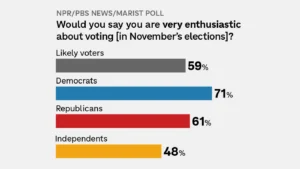
In Mt. Orab, the absence of campaign signs, once dominated by Trump supporters, is telling. Owens notes the dampened enthusiasm among Republicans, attributing it to the data center issue and economic factors like diesel prices. Even President Trump’s recent comments on data centers have stirred discontent, with Owens calling them “tone deaf.”
As construction at the data center site looms uncertainly, Owens and his fellow residents remain in the dark due to confidentiality agreements. For now, the tranquility of Mt. Orab stands as a silent testament to the community’s resolve against change.
This article was originally written by www.npr.org



Comments are closed.