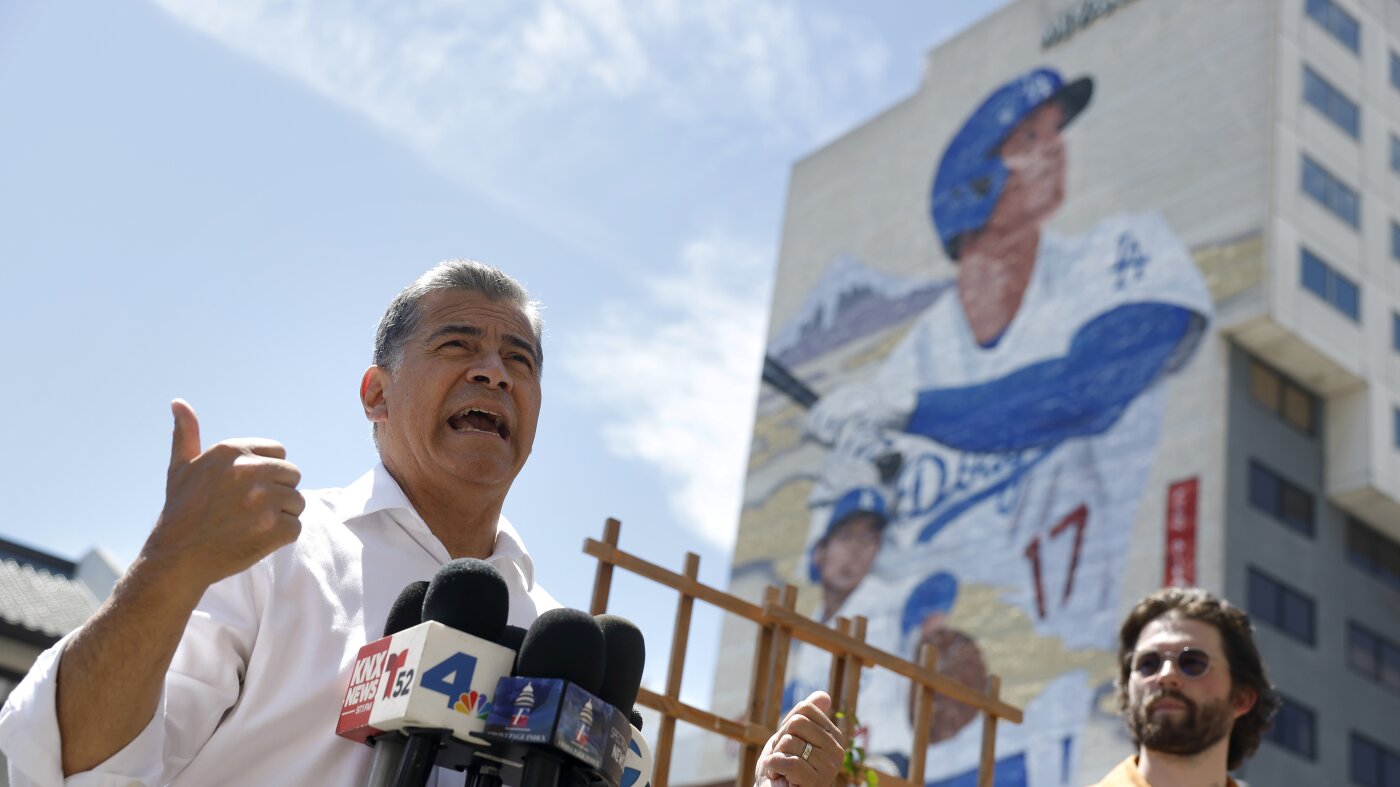
As Xavier Becerra steps away from Washington, D.C., his influence on the American healthcare landscape is unmistakable. Under his guidance, a record number of Americans secured health insurance, a feat largely attributed to his efforts in supporting and expanding the Affordable Care Act (ACA). Now, as he sets his sights on becoming California’s governor, Becerra faces the challenge of addressing potential declines in healthcare coverage.
Polling indicates Becerra is favored to win the gubernatorial race against Republican contender Steve Hilton, a former Fox News commentator. However, if victorious, Becerra could encounter a dramatic rise in California’s uninsured population due to recent state and federal cuts to Medicaid and ACA marketplaces. According to the University of California, Berkeley Labor Center, the number of uninsured Californians under 65 may almost double by 2030, affecting hospitals, insurers, and the economy.
Federal Cuts Impact Healthcare Coverage
The ACA’s rollback and recent cuts to Medicaid have sparked concerns about healthcare access. Miranda Dietz from the Berkeley Labor Center warned legislators that these changes might result in the loss of approximately 200,000 jobs, predominantly in the healthcare sector. Hospitals are already experiencing a surge in unpaid medical bills, and insurance premiums may increase as health plans adjust to cover sicker enrollees.
Jessica Altman, the executive director of Covered California, remarked, “It’s triage. That’s what the next governor is walking into.” California, having made significant strides in reducing its uninsured rate through the ACA, now faces the challenge of maintaining these gains amidst federal cutbacks.
Becerra, who has a history of defending the ACA, plans to issue an executive order to ensure coverage for those impacted by federal cuts. However, he has yet to outline how the state will compensate for the potential $30 billion annual loss in federal funding.
Competing Visions for Healthcare
While Becerra emphasizes maintaining health coverage, Hilton, his opponent, advocates for reducing healthcare costs by offering state income tax breaks. Hilton, although endorsed by President Trump, is attempting to attract voters disenchanted with the former president. He plans to cut funds for Californians without legal status to finance his proposed tax breaks.
Hilton stated, “We all understand that the healthcare system is a mess and needs major reform. The quickest thing we can do on healthcare costs is actually to tax people less.”
Challenges in Healthcare Leadership
Previously, Becerra played a key role in passing the ACA and expanding health coverage as Secretary of Health and Human Services under President Biden. During his tenure, initiatives such as freezing Medicaid disenrollment and enhancing tax credits enabled millions to gain insurance amid the pandemic.
However, conservative critics argue that these policies led to inflated enrollment figures. In response, the second Trump administration has implemented stricter enrollment criteria and reduced premium tax credits, impacting middle-income Americans.
Sabrina Corlette from Georgetown University noted, “We are now witnessing almost a wholesale reversal of pretty much all those policies that helped cover millions more Americans.”
State-Level Implications
California’s reliance on federal funds, which constitute a significant portion of its budget, compounds the issue. Governor Gavin Newsom has already enacted measures like freezing enrollment for immigrants without legal status and implementing monthly premiums for some. The state is also considering further cuts or tax increases to address budget shortfalls.
County governments are seeking additional funding to manage the anticipated rise in demand for free healthcare services. As Becerra campaigns, one of his main challenges will be addressing the potential healthcare coverage gap and ensuring access for all Californians amidst these federal and state-level shifts.
Miranda Dietz highlighted the gravity of the situation, “It’s a pretty big cliff if all this stuff goes into effect. And there’s a choice whether to make it less bad and maintain coverage for folks.”