
School Meal Programs Face Uncertainty Amid SNAP Cuts
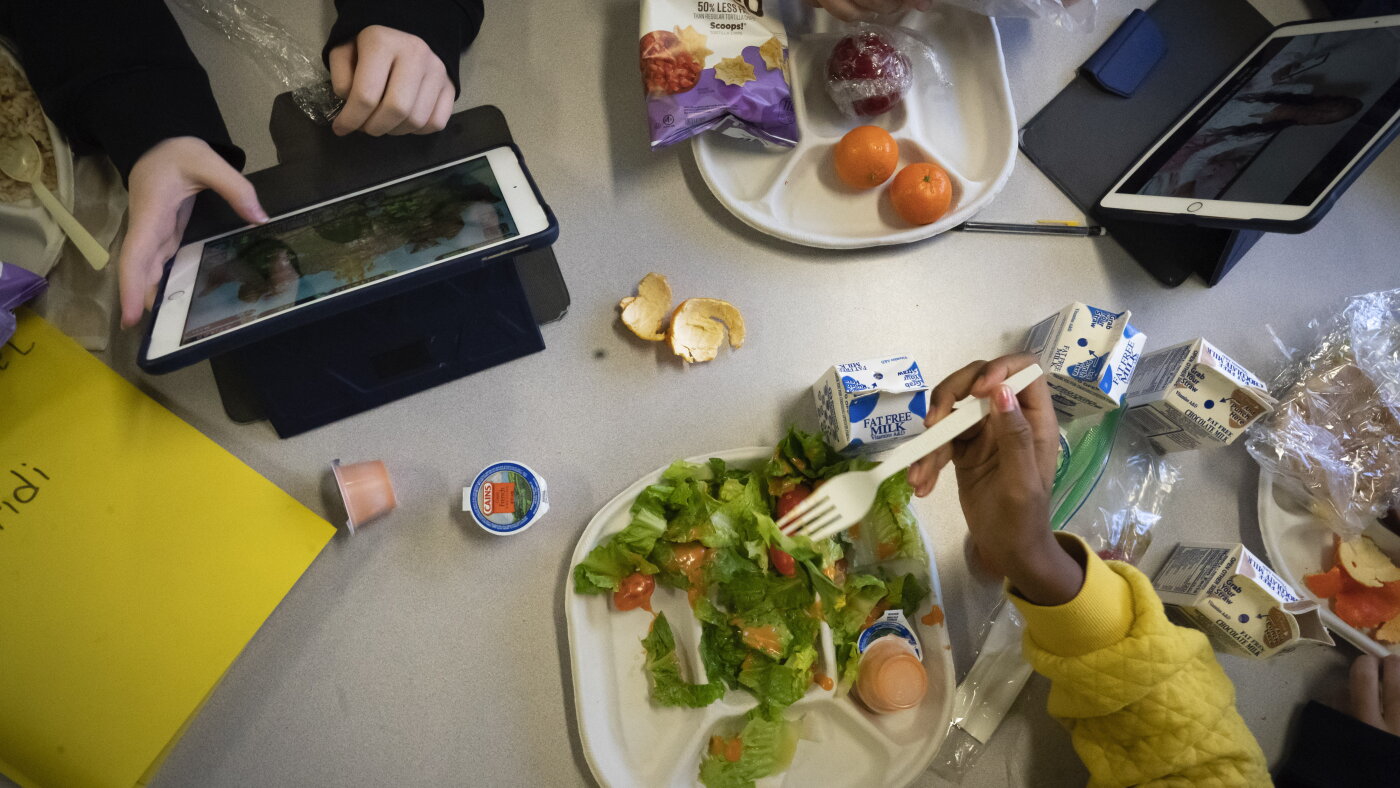
As changes to the United States’ food assistance policies unfold, concerns arise over the impact on school meal programs. Recently implemented cuts to the Supplemental Nutrition Assistance Program (SNAP) have left educators and policymakers worried about the ripple effects on school-provided meals for children.
Paige Shoemaker DeMio, a senior policy analyst at the Center for American Progress, highlights the potential consequences: “Anytime we’re hearing about cuts to SNAP or Medicaid, we’re worried about what’s going to be the domino effect of this,” she says.
Shoemaker DeMio, whose focus is typically on K-12 education, has turned her attention to the SNAP changes. These changes threaten the automatic provision of free school meals to children when their families lose food assistance. The potential drop in SNAP participation jeopardizes universal free meal programs across thousands of schools.
The Center on Budget and Policy Priorities estimates that over a million children have lost access to SNAP since the One Big Beautiful Bill Act was enacted in July 2025, which introduced stricter work requirements for food assistance.
Schools in locations such as San Antonio, Houston, and Miami-Dade County have already ended universal free meal programs. While the direct impact of SNAP participation decline is unclear, Diane Pratt-Heavner from the School Nutrition Association cautions that “the full impact on free school meals will emerge in the coming years as SNAP changes take effect.”
The U.S. Agriculture Department, responsible for SNAP and school meal administration, stated it invests $385 million in nutrition assistance for low-income communities, noting that SNAP participation can simplify the application process for school meals but is not a requirement.
Challenges for School Districts
The Community Eligibility Provision by the Agriculture Department funds universal free meals if at least 25% of students participate in assistance programs like SNAP. More than 49,000 public schools were part of this initiative in the 2024-2025 school year, according to the Center for American Progress.
Federal reimbursements depend on the percentage of families receiving assistance, and a decline in SNAP participation could mean less federal funding and increased financial strain on schools. Pratt-Heavner warns that schools might have to redirect funds from classroom needs or stop offering universal free meals, incurring debt from unpaid meals.
In 2023, the end of a federal pandemic waiver led to districts reporting meal debts, with some as high as $1.7 million, based on a School Nutrition Association report.
Erin Bronner, director of child nutrition for a Phoenix school district, voices concerns about sustaining the Community Eligibility Provision due to the significant drop in SNAP participation in Arizona.
The “Danger Zone” for Students
Eligibility for free meals requires family earnings at or below 130% of the poverty line, or $42,900 for a family of four in 2026. Reduced-price meals are available for families making $61,050 or less. Applications can be complex, and Shoemaker DeMio notes that universal meal provision is more efficient than individual applications.
The current system does not account for expenses or hardships, leading to issues for those just above the income threshold, termed the “danger zone” by Bronner. “They do fall through the cracks,” she explains.
There are additional concerns for children of noncitizens, as their parents might hesitate to provide personal information on the school meal application due to immigration enforcement fears.
Families losing free meal access could face nearly $1,000 per student annually, exacerbating financial strain, according to the Center for American Progress.
Universal Free Meal Programs: A Topic of Debate
Nine states, including California and New York, offer permanent universal free school meals. While some argue against the cost and government responsibility for those who can afford meals, supporters highlight that school meals benefit education outcomes.
Sharon Glosson, a school nutrition director in San Antonio, supports universal free meals, noting they reduce stigma. Her district’s recent halt of these meals at several campuses reflects the broader challenges faced due to declining food assistance, despite ongoing needs.




Comments are closed.