
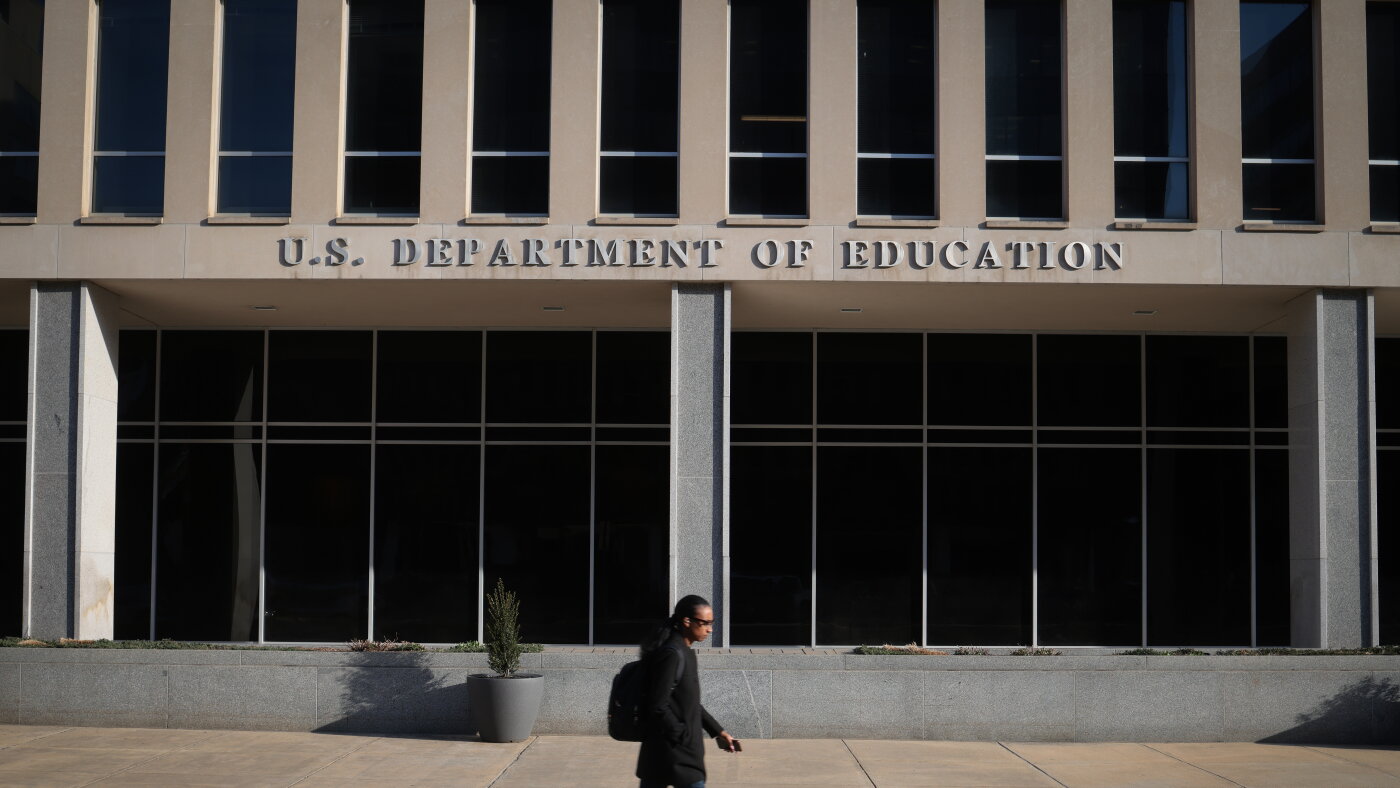
New Insights Unveiled in Civil Rights Data Collection
In a significant yet understated release, the U.S. Education Department has published a comprehensive dataset detailing civil rights information related to American students. This dataset, part of the Civil Rights Data Collection (CRDC), encompasses a wide array of topics, including bullying, access to Advanced Placement courses, and the treatment of students with disabilities.
Originally slated for publication at the end of last year, this data provides a crucial look into the disparities experienced by students across the nation. It examines how factors like race, ethnicity, disability, and sex influence student treatment, serving as a valuable resource for educators, policymakers, and families. For over 50 years, the federal government has collected this information to support the enforcement of student civil rights.
The 2023-24 CRDC data is now accessible online. Despite the release, questions remain about the delay, with no comment from the Trump administration. The Education Department spokesperson only confirmed the data’s release, noting that additional materials will follow.
Behind the Delay
The reasons for the postponed release are unclear, though significant changes within the Education Department may have played a role. The Office for Civil Rights (OCR), responsible for overseeing the CRDC, experienced a staff reduction and is set to transition to the Justice Department. These shifts, some suggest, could have contributed to the delay. A former department employee, choosing to remain unnamed, claims the CRDC team is still operational.
Under the Trump administration, OCR’s focus shifted toward cracking down on diversity, equity, and inclusion initiatives and scrutinizing schools with transgender athletes. This change in priorities may have impacted the CRDC’s timeline.
Data Accessibility and Usability
Unlike previous years, the most recent data release lacks a “First Look Report,” which provided simplified, user-friendly information. Instead, only raw data files are available. Catherine Lhamon, former OCR leader under Presidents Obama and Biden, expressed disappointment, noting, “It didn’t make it usable for somebody’s mom to be able to see what’s happening in a school community.”
The dataset includes new information on topics such as teacher retention and Wi-Fi access for students needing devices for learning. Researcher Maithreyi Gopalan from the University of Oregon has already begun analyzing the dataset, although she acknowledges that understanding the full implications will take time.
Controversy Over Suppressed Data
The release also omitted information about nonbinary students, initially set to be included for the first time. The Education Department cited a Trump executive order recognizing only male and female sexes. Lhamon criticized the decision, stating, “It’s dangerous and incredibly distressing that the federal government collected the data and deliberately suppressed it.”
Future CRDC collections will exclude questions related to nonbinary students, leaving gaps in understanding the experiences of these students. According to one UCLA analysis, 724,000 children nationwide identify as transgender, encompassing nonbinary youth.
As the Education Department navigates ongoing changes, it has begun preparations for the next CRDC data cycles, reaffirming its commitment to continued data collection.





Comments are closed.